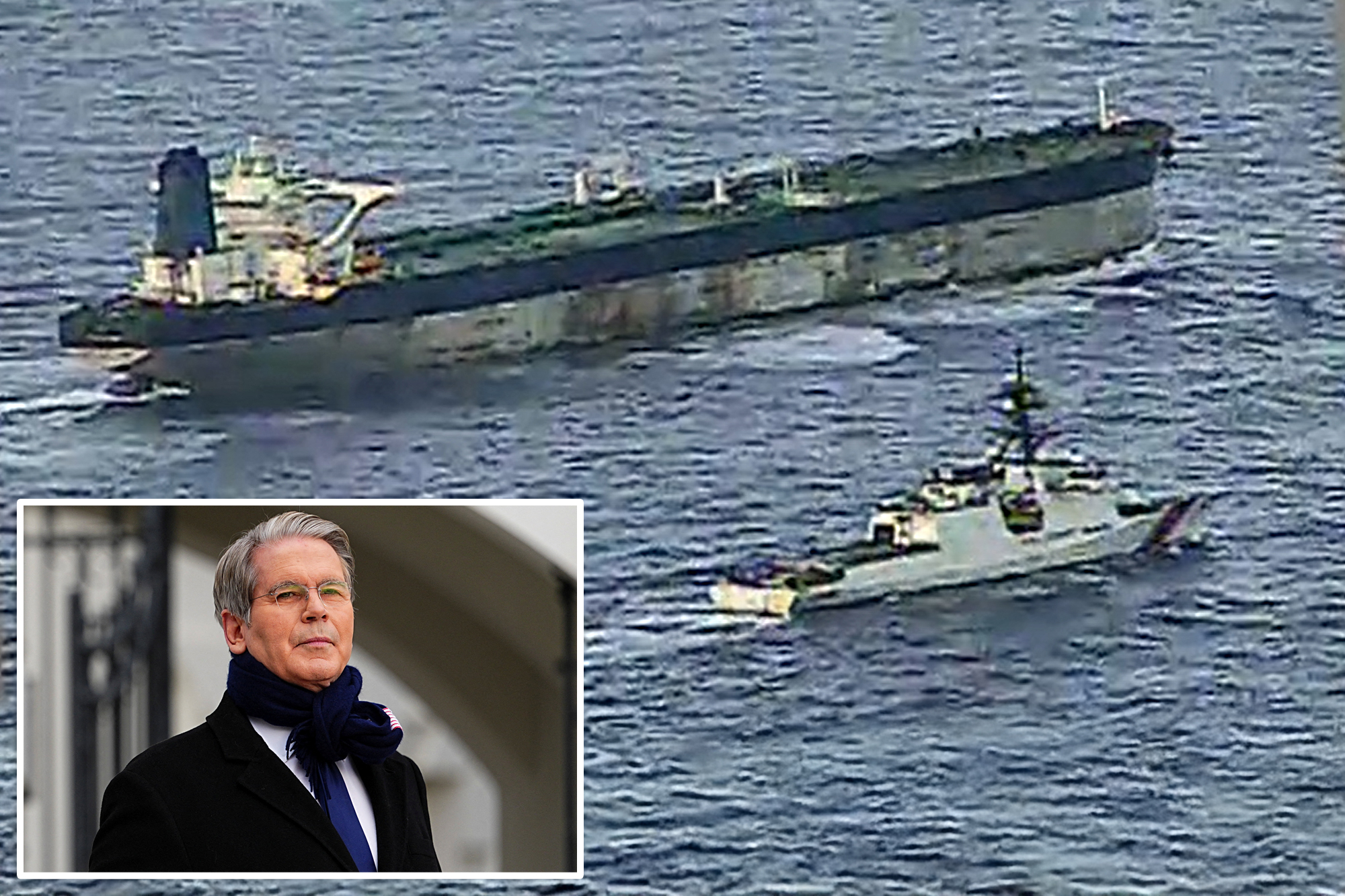
U.S. Treasury Secretary Scott Bessent indicated that additional sanctions on Venezuela might be lifted as early as next week, aiming to facilitate oil sales from the crisis-stricken nation. Speaking to Reuters on Friday, Bessent highlighted the potential deployment of nearly $5 billion in Venezuela’s frozen IMF Special Drawing Rights (SDRs) to aid in the country’s economic recovery.
During his visit to a Winnebago Industries engineering facility, Bessent stated, “We’re de-sanctioning the oil that’s going to be sold.” The Treasury is currently reviewing modifications that would allow repatriation of the proceeds from oil sales, which are primarily stored on ships, back to Venezuela. Bessent emphasized the importance of these funds for running governmental operations and ensuring security services, stating, “How can we help that get back into Venezuela, to run the government, run the security services and get it to the Venezuelan people?”
When asked about the timeline for lifting sanctions, Bessent replied, “It could be as soon as next week,” though he refrained from specifying which sanctions would be removed. This initiative follows the Trump administration’s broader efforts to stabilize Venezuela and encourage the re-entry of U.S. oil producers, particularly after Nicolas Maduro was captured by U.S. forces in Caracas and extradited to New York to face drug trafficking charges.
U.S. sanctions have significantly restricted international banking and creditor engagement with the Venezuelan government, complicating a crucial $150 billion debt restructuring needed to attract foreign investment. On Friday evening, President Donald Trump signed an executive order preventing courts or creditors from seizing Venezuelan oil revenue held in U.S. Treasury accounts, with the intention of safeguarding these funds to foster “peace, prosperity and stability” in the country.
IMF and World Bank Engagement
Bessent, who oversees the substantial U.S. shares in the IMF and World Bank, noted that both institutions have reached out to him regarding Venezuela. The Treasury is considering converting the country’s SDRs—currently valued at about $4.9 billion—into usable dollars for reconstruction efforts. Although Venezuela has not accessed its SDRs for over two decades, this conversion could provide much-needed liquidity.
An IMF spokesperson confirmed that the organization is closely monitoring the situation in Venezuela but declined to comment on Bessent’s mention of a meeting next week. The IMF has not engaged with Venezuela since 2004, while the World Bank last issued a loan to the country in 2007, when Maduro’s predecessor, the late Hugo Chavez, declared an end to seeking funding from Washington.
A source familiar with internal discussions at the World Bank indicated that the institution is exploring options to assist Venezuela, drawing parallels to its swift responses in other regions following regime changes in Afghanistan, Syria, Gaza, and Ukraine.
Private Sector Opportunities
Bessent expressed optimism that smaller, privately held companies would quickly reintegrate into Venezuela’s oil sector, despite some hesitance from major players like Exxon Mobil, which has previously faced nationalization of its assets in the country. “I think it’s going to be the typical progression where the private companies can move quickly,” he said. He also highlighted Chevron’s long-standing presence in Venezuela and anticipated an increase in their commitment to the market.
Furthermore, Bessent mentioned the potential role of the U.S. Export-Import Bank in providing guarantees for financing within Venezuela’s oil sector, aligning with the sentiments expressed by U.S. Energy Secretary Chris Wright.
As discussions continue, the next few weeks could mark a significant shift in U.S.-Venezuela relations, especially regarding the country’s oil industry and economic recovery efforts. The outcome of these potential sanction lifts will be closely watched as stakeholders await further developments.