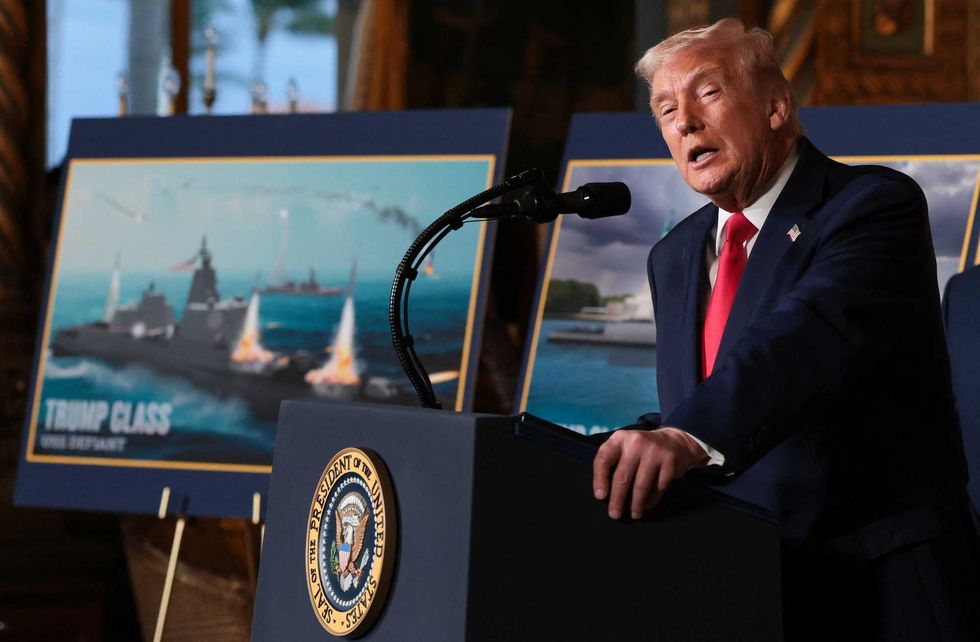
The recent release of the Trump administration’s new National Security Strategy (NSS) has ignited discussions about U.S. foreign and military policies. While such documents typically serve more as reflections of administration attitudes than accurate predictions of policy, they reveal the prevailing mindset and intentions of the current government. The NSS illustrates the ongoing influence of the military-industrial complex (MIC) in shaping U.S. policy, a relationship characterized by significant lobbying power and financial contributions.
The MIC, termed by some as the trillion-dollar war machine, is intertwined with various sectors, including Congress and the media. This influence raises concerns about the prioritization of military interests over the needs of the populace. However, there is growing resistance to this trend from organizations such as The Poor People’s Campaign and various antiwar groups, including Veterans for Peace and About Face, which advocate for a shift towards peace and equity.
The NSS has prompted a critical conversation in mainstream media regarding U.S. priorities on the global stage. It is essential that this dialogue expands to incorporate the voices of those most affected by militarized policies. The document reflects the administration’s worldview, which can significantly impact whether the U.S. engages in war or pursues peace.
Trump’s Vision of National Security
The introductory letter accompanying the NSS embodies President Donald Trump’s characteristic style, claiming that his administration is achieving unprecedented success in national security. It suggests that Trump views the revival of American strength as a personal achievement, despite skepticism regarding the accuracy of such claims. One contentious point raised in the NSS is the administration’s efforts to remove programs aimed at combating discrimination within the military, purportedly justified by a campaign against what it terms “radical gender ideology.”
A recent study by political geographer Jennifer Greenberg, part of the Costs of War Project at Brown University, revealed over 70,000 cases of sexual assault in the U.S. military between 2021 and 2023. This data underscores the need for serious reform, contrasting sharply with the administration’s dismissive stance toward addressing such issues.
Trump’s assertion that he has resolved multiple international conflicts during his tenure has drawn skepticism. Many nations mentioned in the NSS have not experienced the peace that the administration claims to have brokered. Additionally, Trump’s actions, such as diminishing the U.S. diplomatic corps and reshaping foreign aid through the U.S. Agency for International Development, raise questions about his commitment to global peace.
Focus on the Western Hemisphere
A noteworthy aspect of the NSS is its emphasis on the Western Hemisphere, labeled by some as the Donroe Doctrine. This focus has coincided with a strict immigration policy, which critics argue amounts to the militarization of immigration enforcement. The actions of Immigration and Customs Enforcement (ICE) have sparked outrage, with reports of aggressive tactics employed against individuals regardless of their immigration status.
Furthermore, the U.S. has intensified military operations against alleged drug trafficking in regions such as the Caribbean and Venezuela, heightening tensions without clear justification. Critics contend that these actions violate international law and bypass Congressional approval, reflecting a troubling trend of military intervention without proper oversight.
Despite this aggressive posture, some analysts express hope that the current administration may signal a shift towards reducing military interventions globally. The NSS includes language that suggests a potential decrease in reliance on military force overseas. Yet, whether this rhetoric will translate into meaningful action remains uncertain.
The Military Intervention Project at Tufts University has documented that the U.S. has engaged in military force or warfare 30 times since 2001, often without Congressional involvement. The financial and human costs of these interventions have been staggering, surpassing $8 trillion and resulting in extensive civilian casualties and lasting trauma for veterans.
The challenge ahead involves building a broad-based movement against militarism. This includes confronting the systemic issues that sustain a culture of war in U.S. policy, which encompasses immigration enforcement and domestic policing. Organizations are already working to connect various movements for justice, but success will depend on their ability to mobilize effectively against entrenched interests.
As the debate over the NSS unfolds, the imperative for a more peaceful and just approach to foreign policy becomes clearer. The public must engage with these issues critically, ensuring that the interests of the many are prioritized over the profits of a few. The question remains: can a collective movement overcome the entrenched ideologies that perpetuate conflict in the United States and abroad? This is a challenge that requires urgent attention and action.