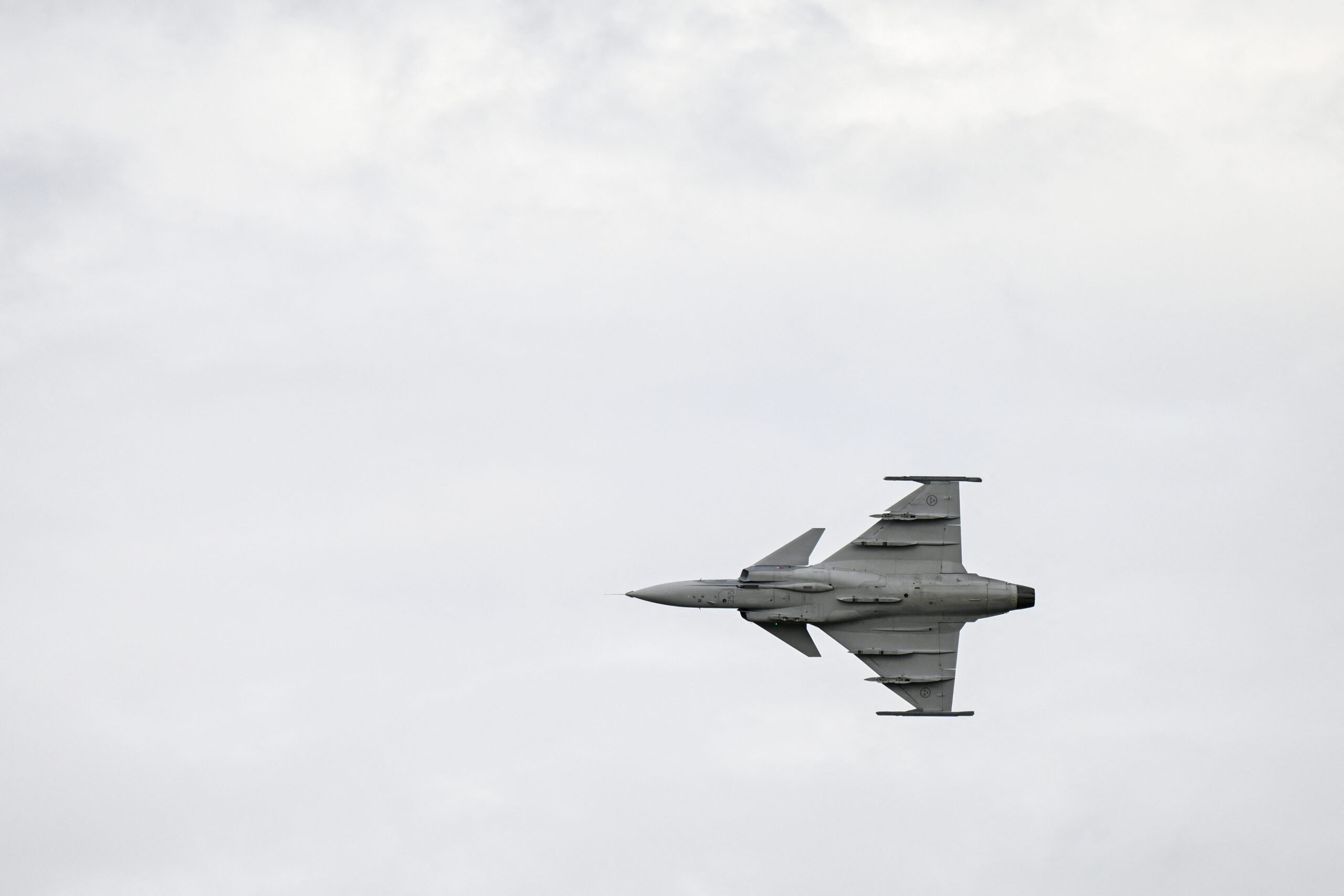
Sweden is set to enhance its military capabilities significantly, integrating the German-made Taurus cruise missile with the Gripen fighter jet sooner than initially scheduled. Major General Jonas Wikman, commander of the Swedish Air Force, confirmed this development, stating that efforts to prioritize and synchronize the work of the Air Force and the defense industry have allowed for an expedited timeline.
In an interview with Defense News, Wikman mentioned that Sweden is now expecting operational capability well before the previously anticipated year of 2028. The exact date for the integration remains undisclosed due to the sensitive nature of the project. The Taurus KEPD-350 missile, developed by Taurus Systems GmbH, a collaboration between MBDA Deutschland and Saab, can engage targets at ranges exceeding 500 kilometers and is capable of delivering a 481-kilogram warhead, designed for penetrating hardened and buried installations.
Significant Shift in Military Doctrine
Wikman characterized the introduction of the Taurus missile as a “huge step” that will reshape the air force’s operational doctrine. He highlighted that Sweden historically focused on defensive capabilities but is now shifting towards offensive counter-air operations. “We could just put all of our money on defensive abilities, but now that is a huge shift for us,” he stated, emphasizing the importance of this new capability.
Germany has been instrumental in supporting Sweden’s development of long-range offensive fire systems, which has facilitated this strategic transition. While Saab has previously showcased the Gripen configured with the Taurus missile, live-fire tests had not yet been conducted, marking a significant future milestone in Sweden’s military readiness.
Innovative Approach to Upgrades
Sweden’s approach to updating the Gripen deviates from traditional practices. Instead of a conventional mid-life update, Sweden will implement new capabilities on a rolling basis, with major upgrades approximately every three years. According to Wikman, this strategy is feasible due to two main factors. First, Saab’s status as a national manufacturer enables it to manage a cohesive industry ecosystem that adapts quickly to changing operational requirements.
Second, a recent overhaul of the avionics architecture in the Gripen E fighter has allowed for the separation of flight-safety critical software from combat mission software. This design change facilitates more straightforward upgrades to combat effectiveness, as noted by company engineers.
As Sweden prepares to enhance its military capabilities with the integration of the Taurus missile, the implications for regional security dynamics and defense strategies are significant. The timeline for operational readiness could redefine Sweden’s role in global defense initiatives, marking a pivotal moment in its military evolution.