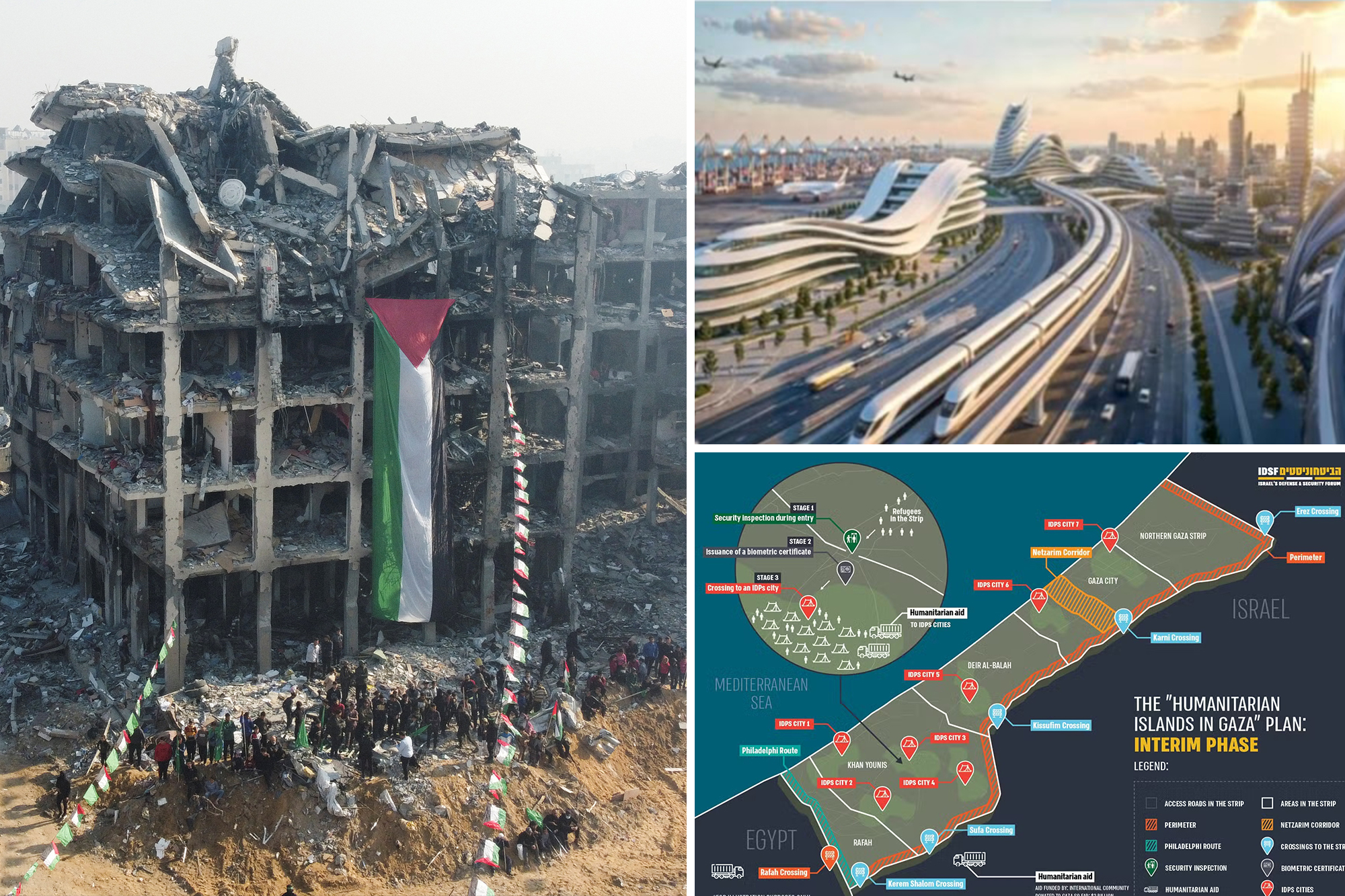
Plans for a transformative project in Gaza have emerged, with a proposal to develop the region into a futuristic “smart city.” The initiative, known as Project Sunrise, is estimated to cost $112 billion over a ten-year period. This ambitious plan has been drafted by Jared Kushner, special envoy Steve Witkoff, and senior White House aides, aiming to attract investment from various countries through a detailed presentation.
The proposal seeks to rebuild war-torn Gaza, which has suffered extensive destruction in recent conflicts. According to the Wall Street Journal, the development plan includes the construction of luxury hotels, high-speed rail systems, and advanced AI-driven infrastructure. The intention is to transform the devastated area into a vibrant international destination along the Mediterranean coastline.
Gaza’s destruction has been profound, but the proposal emphasizes the potential for a new beginning. The executive summary of the plan states, “We believe what lies ahead is not just restoration — it’s a chance to develop a gateway of prosperity in the Middle East with state-of-the-art infrastructure, urban design, and technology.”
Funding and Implementation Challenges
The total investment of $112 billion would be primarily funded by the United States, which has committed to providing $60 billion in grants and debt guarantees. The presentation outlines a phased approach to construction, although specific details regarding the timeline and phases remain sparse. Notably, the plan does not address the housing needs of the approximately 2 million Palestinians who may be displaced during the extensive rebuilding process.
Despite the ambitious nature of Project Sunrise, there are significant hurdles to overcome. US officials familiar with the plan have expressed skepticism about its feasibility, particularly due to a condition requiring Hamas to disarm. This stipulation presents a major obstacle, given the ongoing tensions in the region.
Additionally, Witkoff recently met with delegations from Egypt, Turkey, and Qatar in Miami to discuss the implementation of the second phase of the Gaza cease-fire plan. These discussions signify ongoing international interest in stabilizing the region and potentially supporting the proposed development.
The Vision for Gaza’s Future
The project’s vision includes the establishment of a “Chief Digital Office” and an innovation lab to set standards and guide policymaking. The use of technology in governance and services aims to create a more efficient and responsive urban environment.
The proposal highlights a comprehensive plan for urban regeneration, but crucial questions remain unanswered. The 68 million tons of rubble resulting from the extensive destruction during the conflict poses a significant challenge for any rebuilding efforts.
As the world watches, the success of Project Sunrise will depend on multiple factors, including international support, regional stability, and the political landscape in Gaza. The coming months will be critical in determining whether this ambitious vision can become a reality.