




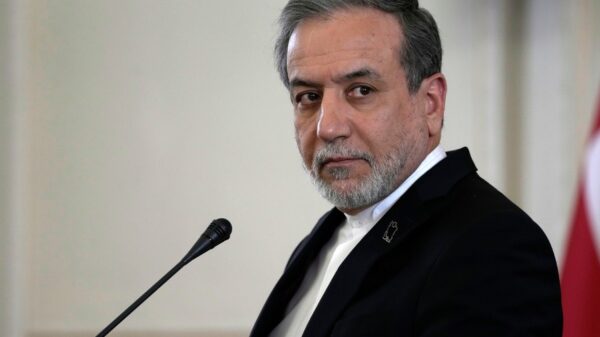






























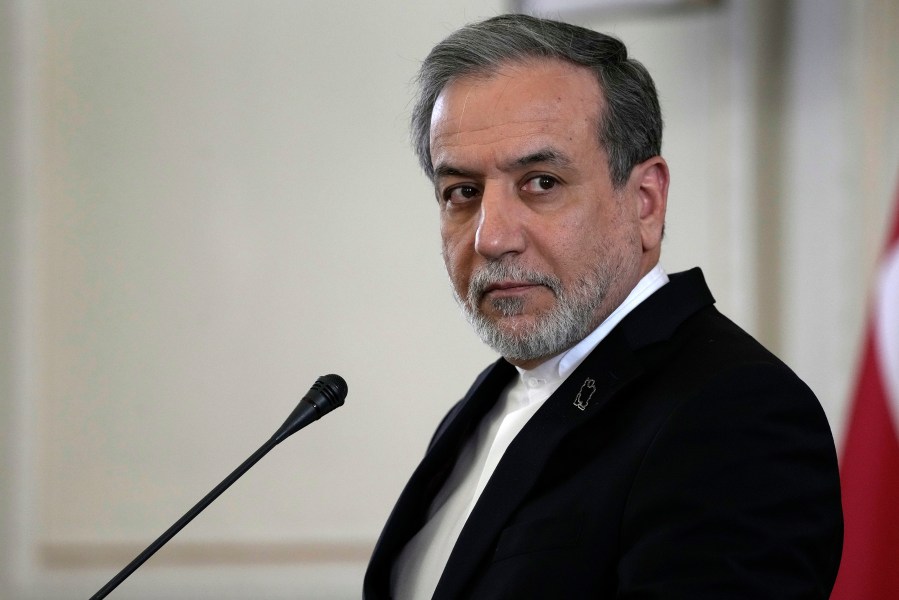
Iran’s Foreign Minister, Abbas Araghchi, affirmed on December 10, 2023, that Iran’s national strength is rooted in its capacity to reject demands from major global powers, particularly the United States. This declaration followed discussions regarding Iran’s nuclear program and occurred against the backdrop of significant nationwide protests that have raised questions about the government’s stability.
During a diplomatic meeting in Dubai, Araghchi emphasized that Iran’s position is firm in negotiations, asserting, “Our power comes from saying no to the great powers.” His remarks underscore a hardline approach in Iran’s foreign policy, especially in relation to ongoing tensions with Washington. The Foreign Minister’s statements reflect a broader sentiment within the Iranian leadership, aiming to convey resolve in the face of external pressures.
Recent protests across Iran, ignited by various socio-economic grievances, have further complicated the atmosphere surrounding diplomatic negotiations. These demonstrations signal discontent with the government and its handling of issues such as inflation and civil liberties. Araghchi’s comments may serve both as a rallying cry for domestic support and a warning to international interlocutors that Iran will not yield easily in discussions regarding its nuclear ambitions.
Diplomatic analysts suggest that Araghchi’s stance may hinder potential breakthroughs in negotiations aimed at curbing Iran’s nuclear activities. The United States, along with its allies, has expressed concern over Iran’s nuclear development, which they fear could lead to the creation of nuclear weapons. The ongoing dialogue is crucial, as the international community seeks to reach a comprehensive agreement that ensures Iran’s nuclear program remains peaceful.
The Iranian government has consistently maintained that its nuclear program is intended for peaceful purposes, such as energy generation and medical research. However, the lack of transparency and the pace of enrichment activities have led to heightened scrutiny and skepticism from Western nations.
In light of these developments, the upcoming weeks will be critical for Iran’s diplomatic relations, as both sides must navigate the complexities of their respective positions. Araghchi’s recent statements appear to reinforce Iran’s resolve, but they may also complicate the already challenging path toward a renewed diplomatic framework.
As Iran continues to grapple with internal and external challenges, the global community will be watching closely to see how these dynamics unfold. The interplay between domestic pressures and international negotiations will likely shape the future of Iran’s foreign policy in the coming months.