UPDATE: Ukrainian President Volodymyr Zelenskyy revealed today that U.S.-led peace talks aimed at ending the war with Russia are struggling with critical territorial disputes. Key issues include the future of Ukraine’s eastern Donetsk region and control of the Zaporizhzhia nuclear power plant, one of the world’s largest atomic facilities.
This urgent announcement comes as Zelenskyy prepares for crucial discussions with leaders from approximately 30 countries regarding fair settlement terms to conclude nearly four years of conflict. The stakes have never been higher as tensions escalate and negotiations stall.
Details of the talks emerged earlier today, revealing that Ukraine submitted a detailed 20-point plan to the U.S. on December 10, 2025. Zelenskyy expressed gratitude for U.S. support but emphasized that the outcome remains uncertain: “It is still difficult to say what the final documents will look like.”
In recent months, Russia has intensified its efforts to seize full control of Donetsk and neighboring Luhansk, regions crucial to Ukraine’s economy. Zelenskyy firmly stated that Ukraine does not accept the surrender of the Donbas region, suggesting that a fair resolution would require both sides to maintain their current positions along the contact line.
U.S. negotiators have floated the idea of establishing a “free economic zone” in Donbas, a concept that Russia refers to as a “demilitarized zone.” Tensions are high as Zelenskyy indicated that any Ukrainian withdrawal should be reciprocated by Russian forces.
The fate of the Zaporizhzhia plant is another major concern, with Russia seeking to retain control despite Ukrainian opposition. U.S. officials are proposing a joint management format for the facility, but details are still under discussion.
Today’s meetings include prominent leaders such as Germany’s Chancellor Friedrich Merz, British Prime Minister Keir Starmer, and French President Emmanuel Macron, all participating via video link in the “Coalition of the Willing.” Urgent negotiations are underway to finalize peace proposals, with discussions potentially continuing in Berlin early next week.
The situation is further complicated by external pressures, particularly from former U.S. President Donald Trump, who has been vocal about his desire for a speedy settlement. European leaders are concerned about their own security and are advocating for a balanced approach to negotiations.
Meanwhile, Russia is attempting to project strength in ongoing negotiations. Russian President Vladimir Putin recently claimed that Russian forces are maintaining a strategic initiative on the battlefield, although Ukraine disputes these assertions.
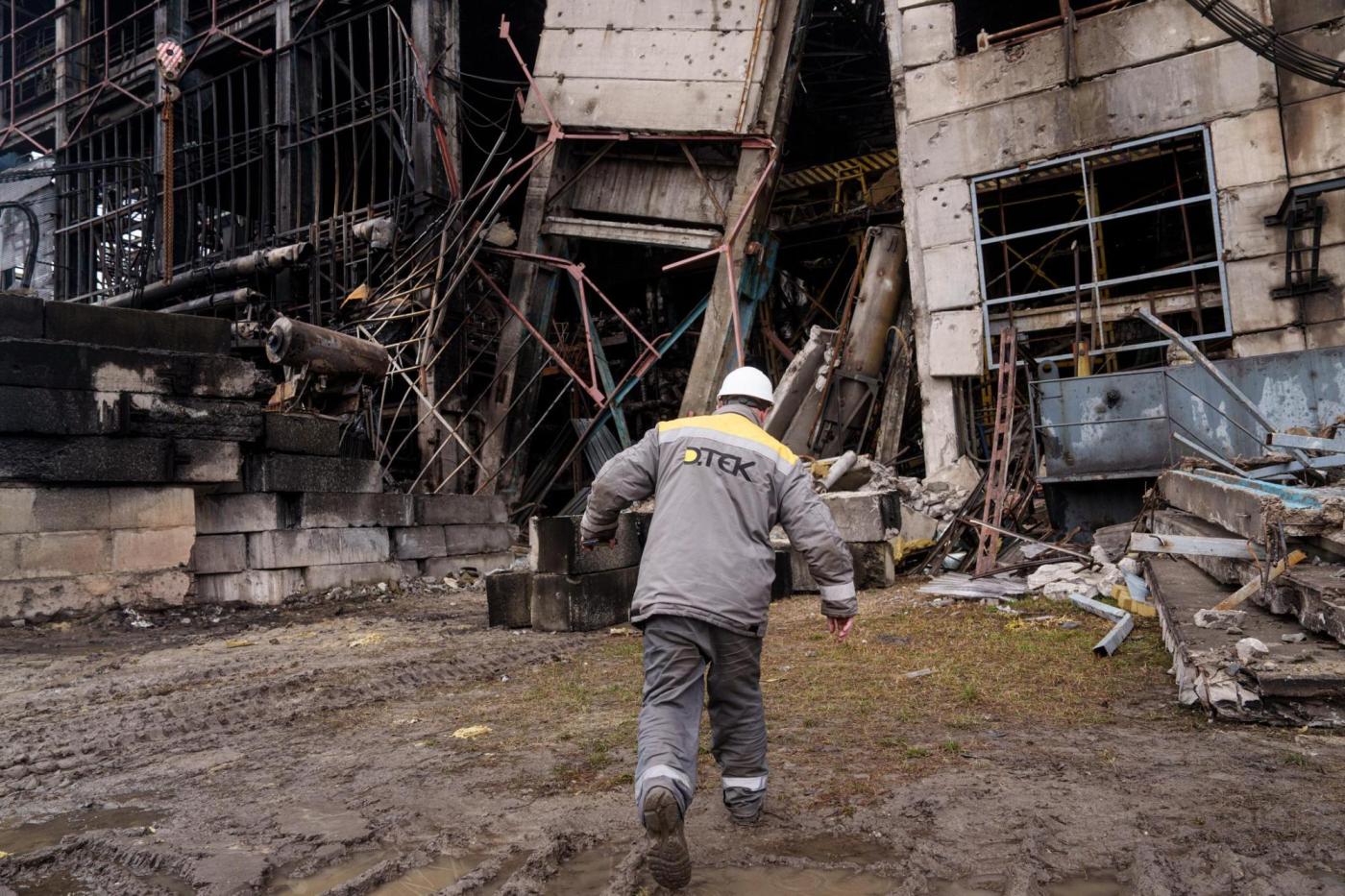
In a significant escalation, Ukrainian drones have launched attacks on Russian oil infrastructure for the first time, targeting an oil rig in the Caspian Sea, disrupting operations and showcasing Ukraine’s evolving military capabilities. This attack coincides with one of Ukraine’s largest drone offensives to date, which grounded flights in and out of several major Moscow airports.
The urgency of these peace talks cannot be overstated, as both sides grapple with complex demands amid a backdrop of ongoing conflict. As Zelenskyy coordinates with European allies, the international community watches closely, with collective security guarantees and future aggression at the forefront of discussions.
Stay updated as more information becomes available from this critical moment in the Ukraine-Russia conflict.