








































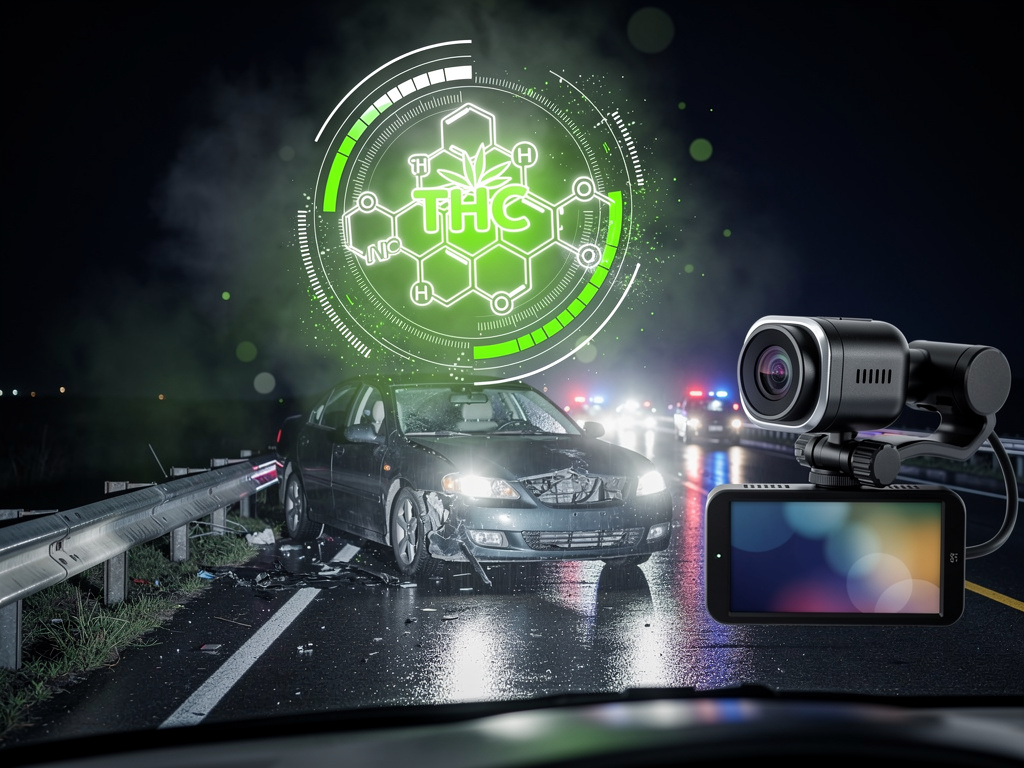
BREAKING: A shocking new study reveals that 42% of drivers who died in fatal crashes in Ohio tested positive for THC, the psychoactive component in marijuana. Conducted by researchers at Wright State University, this six-year analysis from 2017 to 2022 examined coroner records and highlights a pressing public safety issue that demands immediate attention.
The research indicates that the average blood THC level of deceased drivers was a staggering 30.7 ng/mL, significantly exceeding the impairment thresholds set by various states, which typically range from 2 to 5 ng/mL. These findings were presented at the American College of Surgeons Clinical Congress, raising alarms about the growing dangers associated with cannabis use and driving.
Dr. Akpofure Peter Ekeh, the study’s lead researcher, stated, “An average level of 30.7 ng/mL generally means those people must have consumed marijuana at some time close to driving.” This proximity to consumption raises serious concerns about impaired judgment and increased accident risks.
The implications of this study are critical. While 37.4% of deceased drivers tested positive for alcohol, with an alarming average blood alcohol concentration of 0.165%—double the legal limit of 0.08%—the overlap is troubling. About 20% of those fatalities involved both THC and alcohol, compounding the dangers on the roads.
Despite the legalization of medical marijuana in 2016, the data from this study shows no decline in THC-positive fatalities, indicating that policy changes alone are ineffective in curbing risky behaviors. The persistence of these statistics post-legalization mirrors national trends, where states with recreational cannabis laws have struggled to improve road safety metrics.
Public awareness around cannabis impairment remains alarmingly low compared to that of alcohol. Experts argue that without robust educational campaigns, cannabis users may underestimate the risks associated with driving under the influence. A report in ScienceDaily noted that over 40% of fatal crash victims nationwide exhibit THC levels above legal limits, a trend unaltered by legalization efforts.
The study’s findings emphasize an urgent need for improved educational programs and standardized impairment tests. Currently, reliable roadside tests for THC impairment are lacking, forcing law enforcement to rely on blood tests that may not accurately reflect acute intoxication levels. These gaps in testing and education have led to rising concerns among public health and transportation safety experts.
The emotional toll of these findings is profound. Social media users have shared devastating stories of families impacted by cannabis-impaired driving, including tragic incidents where multiple lives were lost. One post estimated that THC-positive driving contributes to approximately 5,000 traffic deaths annually in the U.S., highlighting the severe consequences of this growing issue.
As the study underscores, the average THC level of 30.7 ng/mL is not just indicative of casual use but suggests heavy intoxication, which significantly impairs cognitive functions critical for safe driving. THC alters perception and delays responses, increasing the risk of accidents, especially among those who may not realize their impairment.
The findings from Ohio reflect broader trends in drug-impaired driving fatalities across the nation, with cannabis often cited as a leading factor. Experts from the American College of Surgeons caution that without intervention, these alarming numbers are likely to climb, further endangering public safety.
Policymakers face significant challenges in addressing this urgent issue. While recent federal initiatives aim to enhance research on cannabis effects, the normalization of recreational use may dilute critical safety messages. Varying enforcement practices across states complicate the situation, as some jurisdictions employ drug recognition experts to identify cannabis impairment through behavioral cues.
Looking ahead, researchers advocate for extensive studies tracking cannabis use patterns pre- and post-legalization and emphasize the need for targeted public health interventions. Collaborative efforts between public health organizations and the cannabis industry may include integrating driving warnings on products and launching educational campaigns akin to those for drunk driving.
In the fight for safer roads, the urgency of addressing cannabis impairment cannot be overstated. As THC detection technologies evolve, there is hope for proactive prevention measures that could curb this escalating threat. The findings from Ohio serve as a critical wake-up call for communities nationwide, urging immediate action to save lives and prevent future tragedies.