









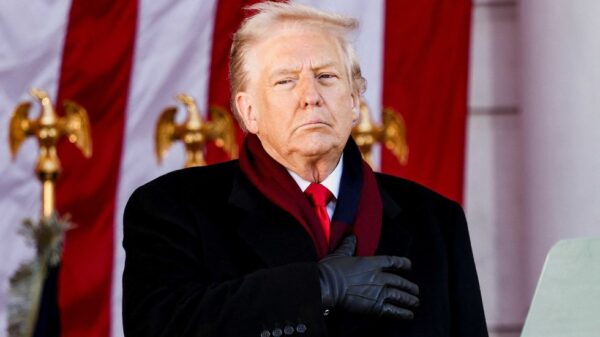




























UPDATE: President Donald Trump has suspended the U.S. green card lottery program following the tragic shootings at Brown University and MIT that left two students dead and nine others injured. The announcement came just hours after authorities confirmed the suspect, Claudio Neves Valente, was found dead from a self-inflicted gunshot wound.
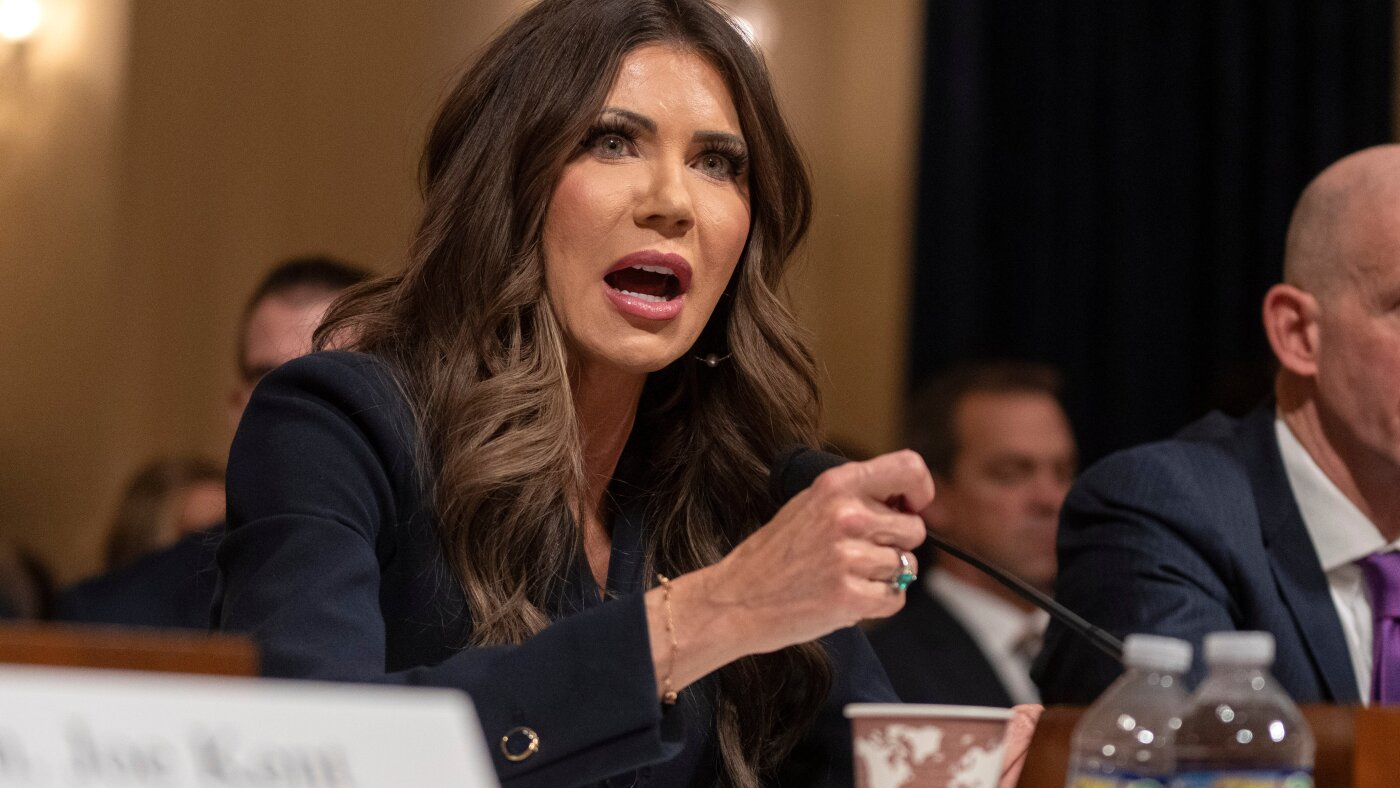
This urgent decision was confirmed by Homeland Security Secretary Kristi Noem in a post on the social platform X. “This heinous individual should never have been allowed in our country,” she stated, signaling a direct response to the violence that has shocked the nation.
Claudio Neves Valente, a 48-year-old Portuguese national, had initially entered the U.S. on a student visa in 2000. After a lengthy absence from academic life, he was granted a diversity immigrant visa in 2017, permitting him to obtain legal permanent residency. Details regarding his whereabouts between 2001 and his visa approval remain unclear.
The diversity visa lottery, which provides up to 50,000 green cards annually to applicants from underrepresented countries, has faced criticism from Trump throughout his presidency. Nearly 20 million people applied for the 2025 lottery, with just 38 slots awarded to Portuguese citizens. Lottery winners undergo extensive vetting before gaining admission to the U.S.
The suspension of this program is likely to provoke legal challenges, as it was established by Congress. Critics argue that such actions exploit tragedies to further political agendas. This incident follows a pattern where Trump’s administration has tightened immigration policies in response to violent acts.
The implications of this suspension resonate deeply, as it not only affects potential applicants but also reflects a broader shift in U.S. immigration policy. This move is part of ongoing efforts to limit pathways to legal immigration, including challenges to established rights like birthright citizenship.
As the nation grapples with the aftermath of these shootings, the debate over immigration policy intensifies. What happens next remains to be seen, but this urgent development is already drawing significant public and political attention.
Stay tuned for further updates on this developing story and its implications for immigration in the United States.