










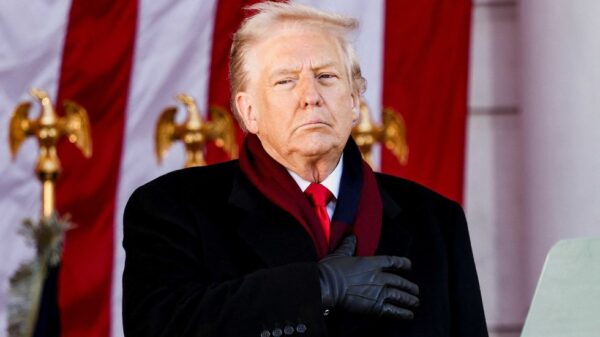






























UPDATE: The Trump administration has just announced a controversial proposal to roll back vehicle fuel economy standards, aiming to reduce the skyrocketing costs of new cars in the U.S. The announcement, made in the Oval Office, has significant implications for consumers and the environment alike.
Officials from the U.S. Department of Transportation revealed that the new target for automakers is a fleet-wide average of 34.5 miles per gallon by model year 2031. This is a substantial decrease from the 50.4 miles per gallon benchmark set by the Biden administration, which had originally aimed for a 49 miles per gallon average by 2026.
While the administration claims this rollback could save U.S. auto buyers around $1,000 per vehicle, translating to an estimated $109 billion over five years, experts warn that these savings may not materialize anytime soon. With new vehicles currently averaging more than $49,000, any price reduction could take months, if not years, to reflect in dealerships.
The proposal will be open for public comments until mid-January, and a final decision could be made as early as next year. However, analysts caution that this regulatory shift will not provide immediate relief for consumers. Jessica Caldwell, head of insights at Edmunds, stated, “The regulatory landscape remains stop-and-start,” emphasizing the uncertainty surrounding the future of fuel economy standards.
The rollback is part of a broader federal shift in auto policy and climate change response. The previous administration had implemented measures to promote electric vehicle adoption, including tax incentives for both consumers and manufacturers. However, as consumer interest in electric vehicles has not surged as expected, automakers have reported difficulty meeting stringent environmental standards.
John Bozzella, president and CEO of the Alliance for Automotive Innovation, expressed concerns over the current fuel economy rules, stating they are “extremely challenging for automakers to achieve given the current marketplace for EVs.” The Trump administration’s latest proposal, while aimed at making new cars more affordable, raises questions about its long-term impact on fuel prices.
Environmental advocates like Albert Gore, executive director of the Zero Emission Transportation Association, argue that weakening fuel economy standards will not significantly decrease car prices but will likely lead to increased gasoline consumption. “Weakening fuel economy standards won’t do much to make cars more affordable but is certain to make Americans buy a lot more gasoline,” he stated.
As automakers adapt to this evolving landscape, they face challenges not only in meeting new standards but also in navigating complex supply chains and developing advanced technologies. The administration’s stance on auto tariffs further complicates these issues, impacting where vehicles and their parts are manufactured.
With the future of fuel economy standards hanging in the balance, consumers and industry stakeholders alike are left to ponder the implications of this latest policy shift. As the situation develops, all eyes will be on how automakers respond and what the final regulations will entail.
Stay tuned for further updates on this urgent and evolving story, as the impacts of these potential changes could reshape the automotive landscape for years to come.