As America approaches its 250th anniversary in 2026, a look back at the tumultuous year of 1926 offers valuable insights into the nation’s history. Echoing the words of William Shakespeare, “What’s past is prologue,” the events of a century ago serve as a reminder of both challenges and triumphs that shaped the future. From political unrest to groundbreaking technological advancements, the parallels between then and now are striking.
Political Turmoil and Economic Context
The landscape of 1926 was marked by significant political unrest across Europe. Protests, coups, and government changes were rampant. In Britain, a massive general strike captured headlines for months, reflecting widespread discontent. Meanwhile, countries like Poland, Portugal, and Lithuania witnessed the overthrow of their governments. In Italy, the rise of future dictator Benito Mussolini intensified, despite multiple assassination attempts on his life.
In the United States, the economy was flourishing under President Calvin Coolidge, who focused on tax cuts and economic growth. Unemployment stood at just 1.8%, while the national debt was a manageable $19.6 billion. Coolidge’s administration benefited from a booming economy that not only reduced debt but also fostered a climate of optimism. This scenario contrasts sharply with ongoing fiscal debates in Congress today.
Cultural Milestones and Innovations
1926 also marked a year of remarkable cultural and technological achievements. Notable figures such as future Queen Elizabeth II, Fidel Castro, and Marilyn Monroe, born as Norma Jeane Mortenson, emerged during this time. The entertainment industry saw the tragic death of Rudolph Valentino, a silent film icon, which sparked chaos as 60,000 mourners attempted to pay their respects in New York City.
Technological innovations were on the rise as well. John Logie Baird demonstrated the first television, an invention that has since transformed global media consumption. Despite early skepticism, this development paved the way for a future dominated by visual storytelling. United Airlines made history as the first scheduled commercial airline, introducing a new era of air travel.
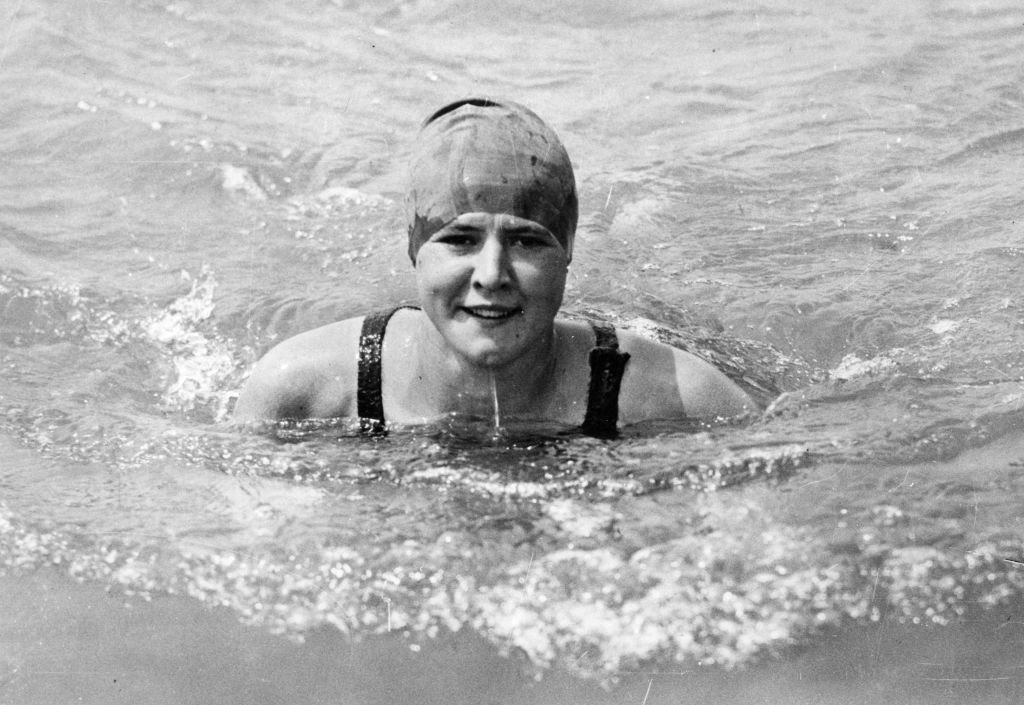
Sports also took center stage, with Babe Ruth becoming the first player to hit three home runs in a single game against the St. Louis Cardinals. Additionally, Gertrude Ederle made headlines by becoming the first woman to swim across the English Channel, a feat that showcased athletic prowess and determination.
Natural Disasters and their Impacts
The year was not without its tragedies. A category 4 hurricane devastated Miami, resulting in hundreds of fatalities and damages estimated at $100 million. This was followed by the Havana-Bermuda hurricane, which claimed over 600 lives. Interestingly, during this era, the concept of climate change was not at the forefront of public discourse, a stark contrast to today’s environmental concerns.
Overall, the events of 1926 illustrate the complexities of human nature—how adversity can coexist with innovation and achievement. As we prepare to celebrate a significant milestone in American history, it is crucial to reflect on the past, acknowledging both the challenges and the progress made. Learning from history will be essential for future generations to navigate their own paths.
As Cal Thomas, a columnist for Tribune Content Agency, notes, the lessons learned from a century ago resonate today. The responsibility lies with us to ensure that the future is shaped by the knowledge of our history.