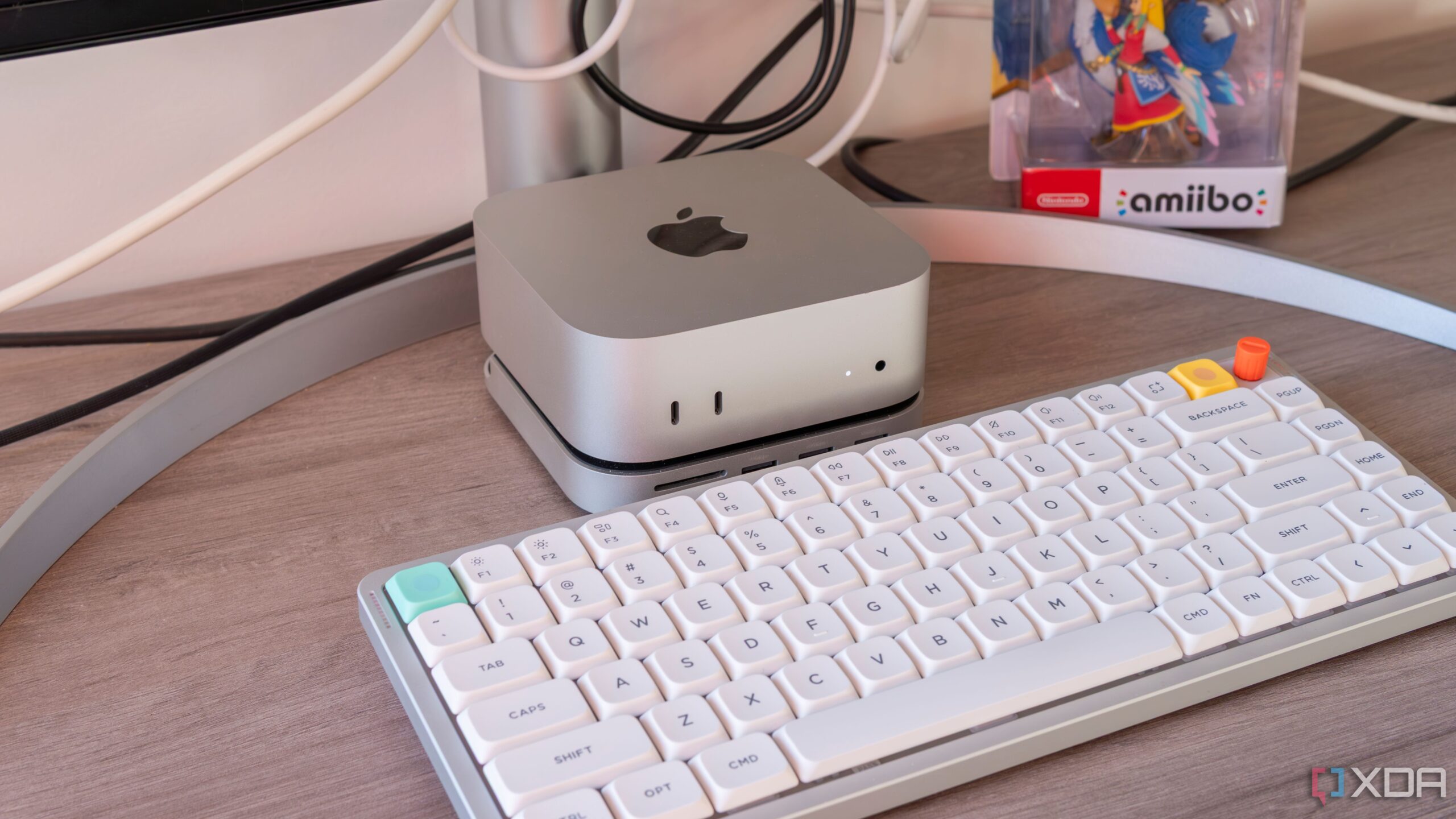
URGENT UPDATE: New reports confirm that mini PCs, despite their sleek designs and appealing specs, are NOT suitable substitutes for full-fledged desktop computers. As the global RAM crisis escalates, consumers are rushing to purchase these compact devices, believing they can replace traditional towers. However, experts warn that this assumption could lead to significant disappointment.
The allure of a clutter-free workspace is tempting. With many people eyeing mini PCs as a potential solution, the reality is stark: these devices have limitations that can hinder performance. While they may boast specs like an Intel Core i7 and 32GB RAM, the performance is not equivalent to that of a desktop tower, especially under sustained workloads.
Why does this matter NOW? As PC parts and laptops fly off shelves due to shortages, understanding the capabilities and limits of mini PCs is crucial. Many consumers are making purchasing decisions based on misleading marketing claims that equate mini PC specs to those of high-performance desktops. This could result in wasted money and unfulfilled expectations.
Experts emphasize that mini PCs are essentially heat traps. The mobile-series processors, designed for power efficiency, cannot compete with the high-wattage desktop counterparts. Performance throttling becomes a real issue during heavy tasks, such as video rendering or gaming. While a desktop can cool efficiently with its expansive airflow systems, mini PCs struggle with thermal management, which can hinder their ability to perform over extended periods.
Additionally, the limited lifespan of mini PCs poses another challenge. Most models feature proprietary architecture, meaning that once the processor becomes outdated, the entire system is compromised. Upgrading components is not as feasible as with traditional desktops, which can evolve and adapt over time.
The lack of dedicated graphics capabilities is another significant drawback. Most mini PCs rely on integrated graphics, which are sufficient for basic tasks but fall short for gaming or intensive applications. While some high-end mini PCs offer mobile discrete GPUs, the majority do not, limiting their functionality for users requiring robust graphics performance.
Despite these challenges, many users, including myself, find value in mini PCs for specific applications like content consumption and light productivity tasks. They offer a portable alternative that fits well in dynamic work environments. However, if you require serious computing power, the traditional desktop remains unmatched.
In conclusion, while mini PCs can be appealing, potential buyers should reconsider their utility and long-term value. As demand for these devices grows, it’s essential to weigh the pros and cons before making a purchase. The last thing you want is to invest in a system that doesn’t meet your needs.
For those contemplating switching to a mini PC, experts recommend evaluating your computing tasks carefully. If your workload involves high-performance applications, sticking with a traditional desktop may be your best option.