UPDATE: Amtrak has sparked outrage after arresting over 200 individuals for “public lewdness” at Penn Station in New York City. This controversial police operation has drawn sharp criticism, particularly from lawmakers, as it targets perceived members of the LGBTQ community.
The arrests, which occurred just this fall, have been labeled an assault on gay culture by advocates and officials alike. New York Representative Jerry Nadler has publicly condemned Amtrak, urging them to “cease targeting members of the LGBTQ community based on their perceived sexual orientation.”
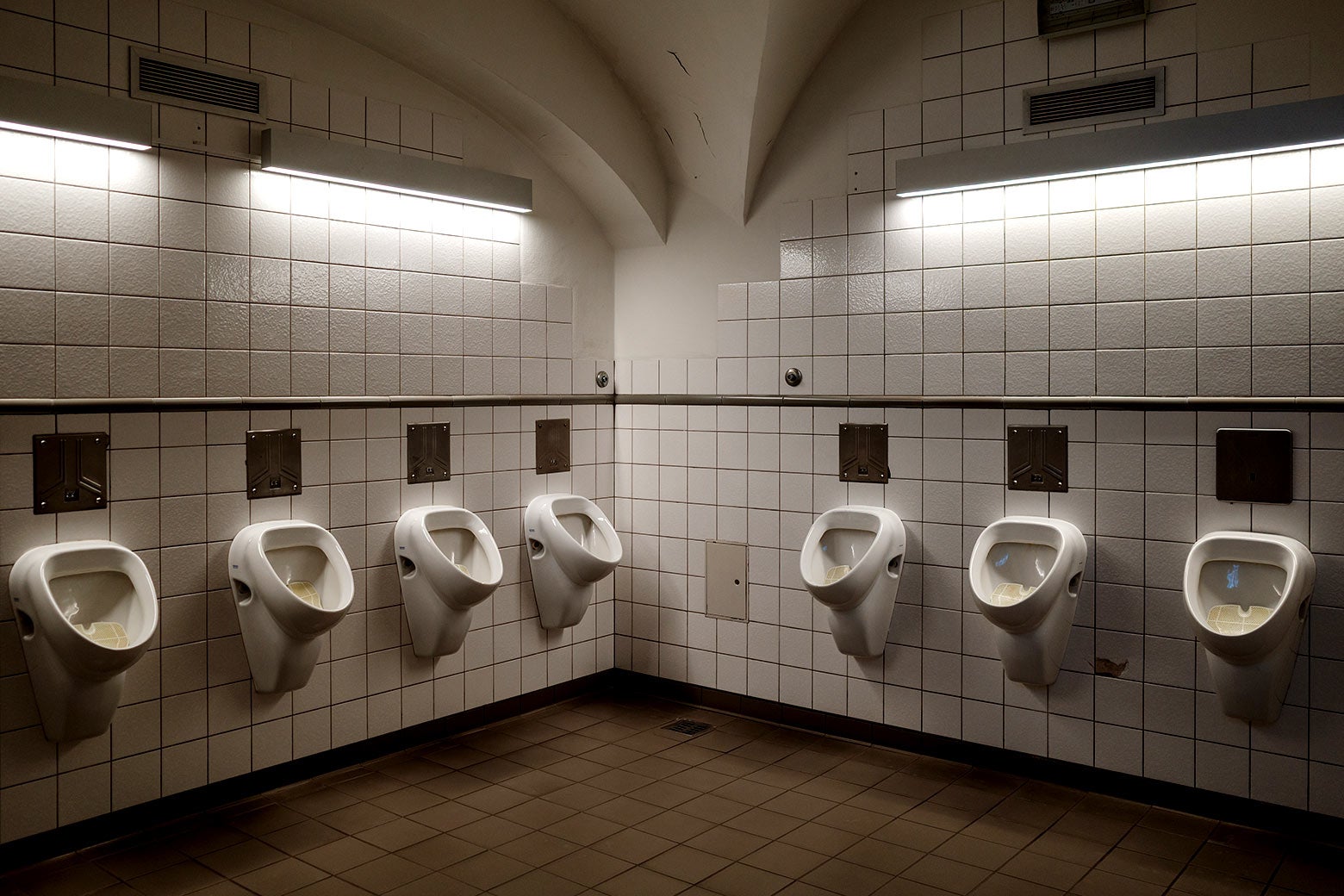
Witnesses describe the men’s room at Penn Station as a long-standing “de facto third space” for socializing, especially among older gay men. Recent discussions in media outlets, including Out Magazine, frame the crackdown as reminiscent of “dark days” of police entrapment against gay men. Legal experts emphasize that this operation represents a broader attack on LGBTQ+ rights.
The practice of “cruising,” traditionally understood as seeking anonymous sexual encounters in public spaces, has a complex history rooted in a time when societal discrimination forced many to seek connection discreetly. However, with changing attitudes and the availability of more open avenues for relationships, the relevance of cruising today is being questioned.
Critics argue that while cruising has cultural significance, its practice in public restrooms can be inconsiderate. The recent sting operation, which involved officers posing as potential partners in a restroom, has been described as unnecessary and wasteful. Many are calling for a shift from criminalization to more civil penalties for such behavior.
A source close to the situation revealed that judges have even refused to hear some of the cases stemming from these arrests, further highlighting the questionable nature of the operation. Local activists contend that the focus should be on creating an inclusive environment rather than enforcing punitive measures that disproportionately affect marginalized communities.
As public dialogue continues, the implications of this operation extend beyond just the arrests. Many argue that policing consensual adult behavior in private spaces is not only an overreach but also a misuse of law enforcement resources.
The fallout from this incident remains ongoing, with discussions about how to balance public space usage and personal freedoms in a rapidly evolving social landscape. Advocates are calling for more respectful approaches that acknowledge the history and complexities surrounding LGBTQ+ interactions in public spaces.
As this story develops, it is crucial to continue monitoring how law enforcement and city officials respond to these concerns. Public sentiment is shifting, and the conversation surrounding LGBTQ+ rights, cruising, and public lewdness is likely to remain at the forefront of discussions in New York and beyond.
Stay tuned for more updates as this critical issue unfolds.