Tesla has significantly expanded its ‘Robotaxi’ fleet in California, registering a total of 1,655 vehicles for its ride-hailing service in just a few months. This rapid growth follows the program’s launch in August 2023, when the company started with only 28 vehicles and 128 drivers, as reported by the California Public Utilities Commission (CPUC).
The latest figures indicate that Tesla now employs 798 drivers for its service, although these numbers reflect vehicles that have been approved for use rather than those actively in operation. The CPUC clarified that Tesla is not required to update its driver count regularly, meaning the actual number could be higher.
Comparative Fleet Sizes in California
In comparison, other companies in the autonomous vehicle sector are also making strides. Waymo, for example, has over 1,000 vehicles operating in its autonomous fleet in the region, with a total of 1,955 vehicles registered in the state. Zoox, another key player, has 229 registered vehicles and operates 50 vehicles between San Francisco and Las Vegas. Both Waymo and Zoox provide fully autonomous services, a status that Tesla has not yet achieved.
Despite its rapid expansion, Tesla’s ‘Robotaxi’ service does not qualify as an autonomous vehicle (AV) service under California law, which is known for its stringent AV regulations. Tesla has yet to apply for a driverless testing permit, according to a California Department of Motor Vehicles (DMV) representative. Currently, the company’s permit allows it to offer transportation services to employees and select members of the public. A separate permit is necessary for transporting passengers in an autonomous vehicle.
Challenges with Service Availability
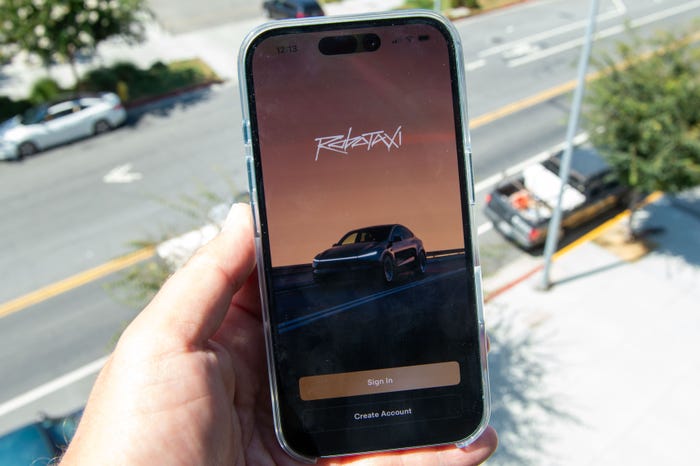
Since launching the ‘Robotaxi’ app to the public in September 2023, some users have expressed dissatisfaction due to long wait times. Initial operations were limited to a small group of early access users, but as the service expanded, reports of wait times of up to 40 minutes have surfaced. Business Insider’s Alistair Barr noted challenges in securing rides during peak hours due to inventory shortages, although wait times can drop to around ten minutes during off-peak hours.
In response to the growing demand, Tesla is enhancing its driver staffing. The company has circulated flyers within its California factories, offering hourly employees additional pay to assist in operating the network.
In Austin, Texas, Tesla has begun testing its vehicles without drivers or safety operators, although the exact number of vehicles in operation remains uncertain, as the city does not require the company to disclose this information. During a recent podcast appearance, CEO Elon Musk indicated plans for approximately 500 vehicles to be operational in Austin by the end of the year.
Tesla’s ambitious expansion in California and beyond reflects its ongoing commitment to establishing a robust presence in the rapidly evolving ride-hailing and autonomous vehicle markets. As the company navigates regulatory requirements and user feedback, its ability to scale effectively will be critical for future success.