




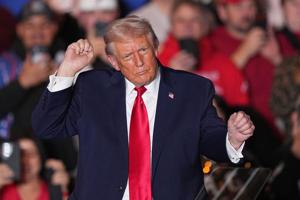
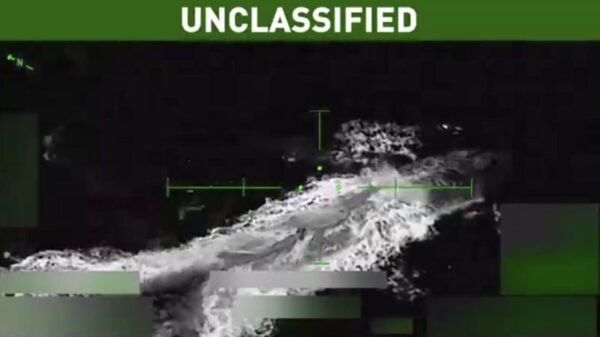




















President Donald Trump announced that the United States has seized an oil tanker off the coast of Venezuela. This move is part of a broader strategy to apply pressure on the government led by President Nicolás Maduro, amid ongoing tensions between the two nations. The seized vessel is believed to be involved in transporting oil that the U.S. government has deemed as illegally derived from Venezuelan resources.
According to the U.S. Department of Justice, the tanker was intercepted in the Caribbean Sea after intelligence suggested its cargo was linked to Venezuela’s state-run oil company, Petróleos de Venezuela, S.A. (PDVSA). The Justice Department has stated that this action reflects its commitment to enforcing sanctions against the Maduro regime, which it accuses of engaging in corruption and human rights violations.
This latest seizure underscores the Trump administration’s approach to countering what it describes as Maduro’s unlawful control over Venezuela’s oil industry. The U.S. has imposed a series of sanctions aimed at crippling the Venezuelan economy, which has been in a state of collapse for several years. The administration argues that these measures are necessary to support democracy in Venezuela and to assist the Venezuelan people in their struggle against authoritarian rule.
The seizure of the tanker is not an isolated incident. It follows previous actions taken by U.S. authorities against vessels thought to transport oil from Venezuela to other countries, particularly in Asia. These operations are part of a concerted effort to disrupt the flow of oil, which is Venezuela’s primary source of revenue and a critical component of its economy.
The implications of this seizure extend beyond immediate economic concerns. It signals a continued escalation in the geopolitical conflict surrounding Venezuela, a nation rich in oil reserves yet facing severe economic hardship. The Maduro government has consistently rejected U.S. interventions, framing them as attempts to undermine Venezuelan sovereignty.
As tensions rise, the international community watches closely. Many nations have expressed concern over the humanitarian crisis unfolding in Venezuela, where food and medical shortages have reached alarming levels. The dynamics of U.S.-Venezuelan relations will likely have significant repercussions for regional stability and international oil markets.
The U.S. continues to advocate for a transition to democracy in Venezuela, urging the international community to join its efforts in supporting the Venezuelan populace. With this latest seizure, the Trump administration reinforces its stance against Maduro, while the Venezuelan government remains defiant in the face of external pressures.
This development not only highlights the complexities of U.S. foreign policy but also raises questions about the future of Venezuela’s economy and its political landscape. As the situation unfolds, further actions from both the U.S. and Venezuela are anticipated, suggesting that this conflict is far from resolution.