




































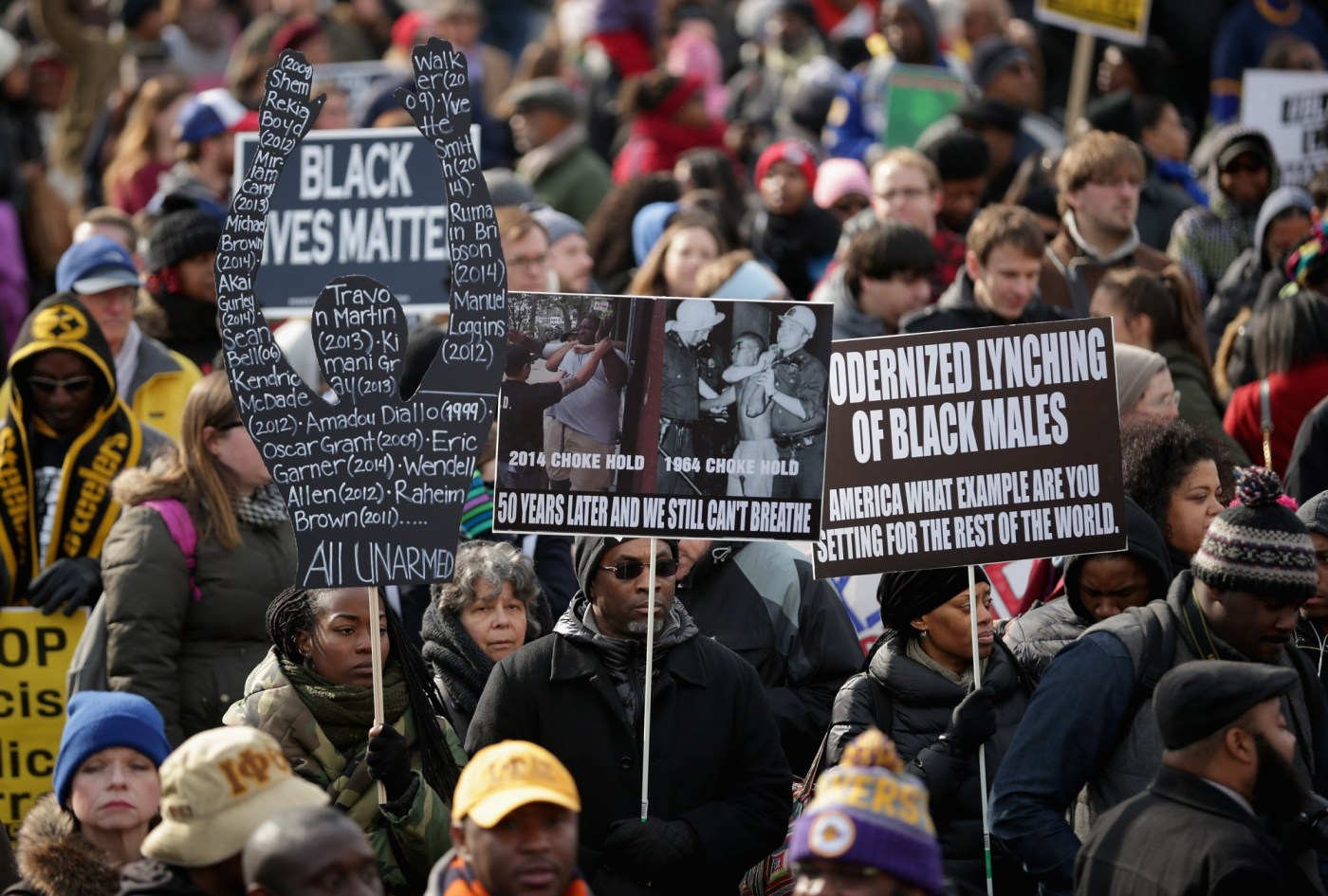
On December 13, 2014, thousands of demonstrators took to the streets in cities across the United States, including New York and Washington, to protest against the police killings of unarmed Black men. The protests were ignited by high-profile cases, prompting public outrage and calls for justice and reform.
These demonstrations were part of a larger movement advocating for racial equality and police accountability. Activists highlighted the deaths of individuals such as Eric Garner and Michael Brown, which spurred national conversations about systemic racism and the need for significant changes in law enforcement practices.
Historical Context of December 13
The date of December 13 has witnessed various significant events throughout history. In 1862, during the American Civil War, Union forces under Maj. Gen. Ambrose Burnside launched a series of failed frontal assaults against Confederate troops in the Battle of Fredericksburg. The Union army faced heavy casualties and retreated after two days of intense fighting.
Another notable event occurred in 1937, during the Second Sino-Japanese War, when Japanese soldiers captured the Chinese city of Nanjing. This marked the beginning of a brutal massacre in which an estimated 200,000 to 300,000 civilians and prisoners of war were killed.
In more recent history, December 13 has also seen significant political developments. In 1996, the United Nations Security Council appointed Kofi Annan from Ghana as the seventh Secretary-General of the organization. His tenure would last until 2006, during which he worked on various global issues, including peacekeeping and human rights.
On December 13, 2000, George W. Bush was declared the winner of the U.S. presidential election after the Supreme Court effectively halted a recount of ballots in Florida. The ruling ended a contentious electoral dispute with Al Gore, who subsequently conceded and called for national unity.
Modern Political Developments
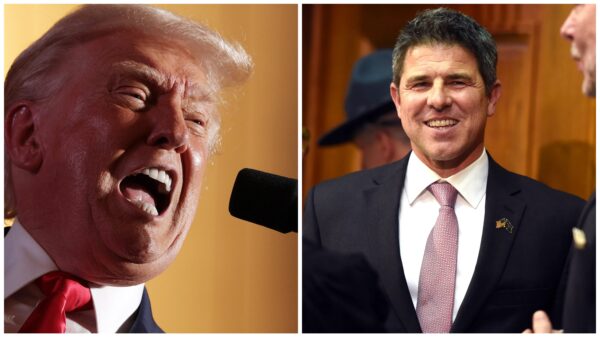
Fast forward to December 13, 2019, when the House Judiciary Committee approved two articles of impeachment against President Donald Trump. The charges included abuse of power related to his dealings with Ukraine and obstruction of justice during the subsequent investigation. Trump would ultimately be acquitted by the Senate.
More recently, on December 13, 2022, President Joe Biden signed the Respect for Marriage Act, which provides federal recognition and protection for same-sex and interracial marriages. He described the legislation as a “blow against hate in all its forms,” reflecting ongoing efforts to advance civil rights in the United States.
As the year draws to a close, December 13 remains a date marked by historical significance and ongoing discussions about justice, equality, and the rights of individuals. The protests in 2014 not only highlighted the urgent need for police reform but also served as a catalyst for a broader movement advocating for racial justice in America and beyond.