





































On December 15, South Korea’s presidential office refuted claims of discord between the Unification Ministry and the Foreign Ministry regarding an upcoming consultation with the United States on North Korea policy. Following the Unification Ministry’s announcement that it would not participate in the scheduled talks, concerns arose about potential conflicts within the government.
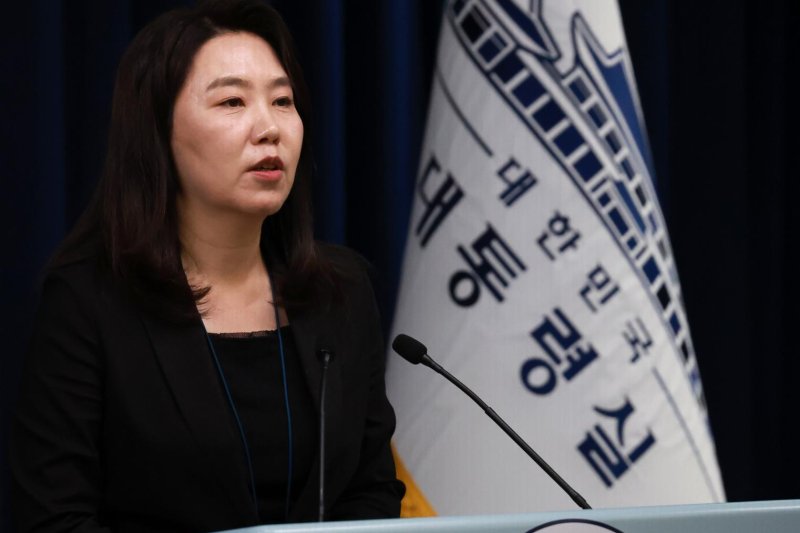
Presidential spokesperson Kang Yu-jung addressed the media in Seoul, stating that while there might be “slightly different opinions,” it is “difficult to describe the situation as conflict at this point.” She emphasized the government’s commitment to exploring various methods to foster dialogue with North Korea, acknowledging that achieving effective communication remains a “frustrating” process.
Details on the Consultation Meeting
The consultation, set for December 16, involves discussions led by the Foreign Ministry focused on follow-up items related to a “joint fact sheet.” The Unification Ministry opted out of this meeting, indicating that it seeks to engage in broader discussions on diplomatic issues between Seoul and Washington.
The ministry clarified that it is prepared to hold separate consultations with the United States if necessary. It also reiterated its dedication to maintaining close coordination with other relevant ministries and U.S. officials on North Korea policy. This approach aims to ensure that South Korea’s stance remains unified, despite the recent tensions.
Concerns have been raised within the Unification Ministry regarding the nature of the regular consultations. Officials worry that these discussions could echo the framework of the South Korea-U.S. Working Group established during the Moon Jae-in administration. This group, which focused on issues like North Korean denuclearization, faced criticism for potentially limiting inter-Korean exchanges.
Broader Implications for Inter-Korean Relations
The ongoing situation highlights the delicate balance South Korea must maintain in its relations with both North Korea and the United States. As Kang Yu-jung noted, the South Korean government is actively seeking avenues for dialogue, even as it navigates the complexities of regional diplomacy. The necessity for effective communication has never been more critical as both sides face challenges in their diplomatic efforts.
As the December 16 consultation approaches, the focus will remain on how South Korea can effectively align its policies with U.S. objectives while also working towards improved relations with North Korea. The evolving dynamics illustrate the intricate nature of international relations in the region.
This development underscores the importance of clear communication and strategic coordination among South Korea’s governmental bodies as they address the ongoing challenges surrounding North Korean diplomacy.