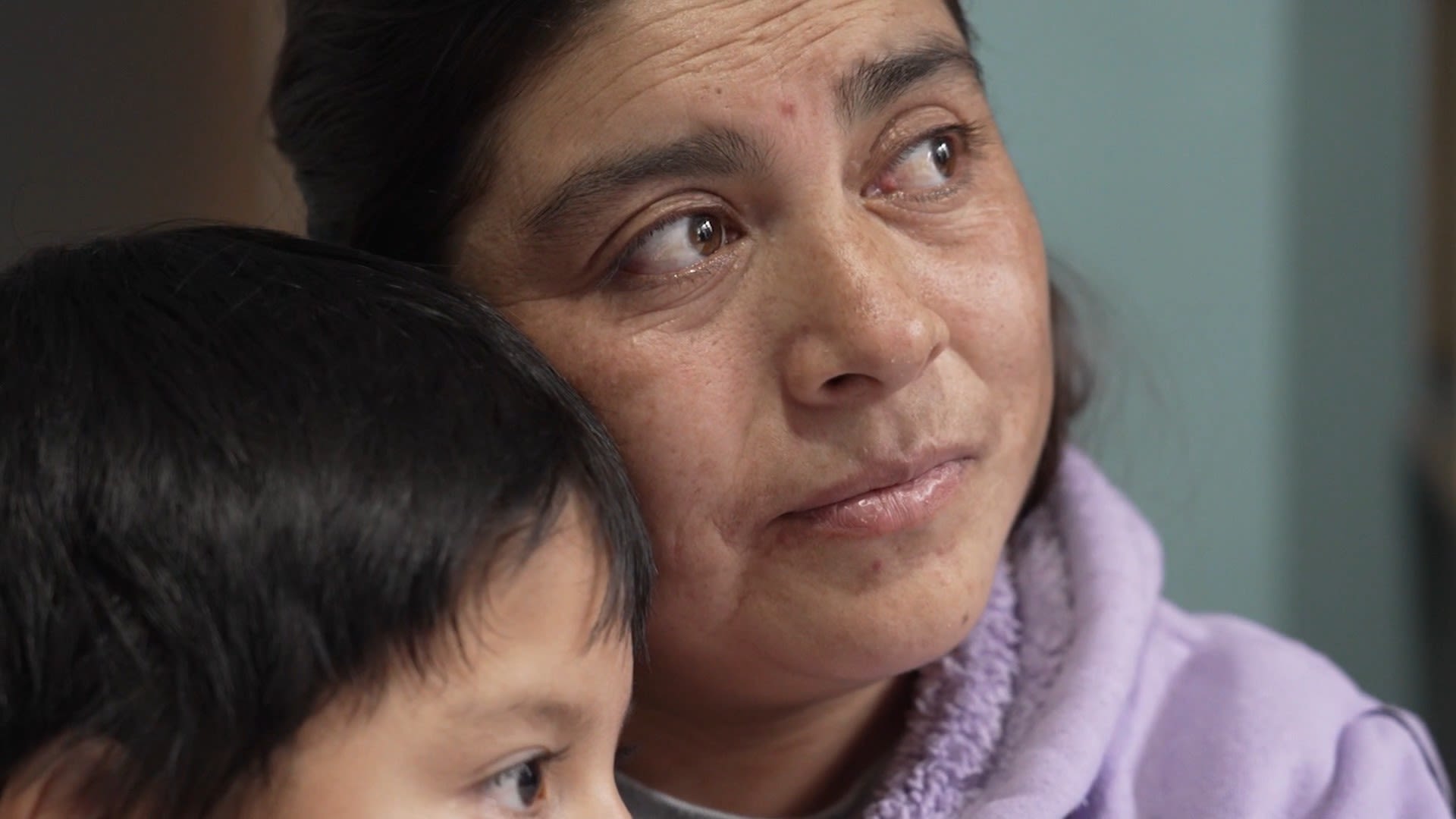
A series of immigration detentions across the United States has ignited legal challenges against the Trump administration’s policies. Individuals like Veronica Escobar, Victor Madrid, and Patricia Quishpe were apprehended in sweeps that began in Chicago and extended to other cities. Although these immigrants were involved in ongoing court cases and had no criminal records, they were detained without warning, leading to significant legal repercussions.
Many of these detentions are being contested in the courts, with numerous judges ruling that the detentions were unlawful. The cases highlight a growing backlash against the administration’s stringent immigration tactics, which many critics argue aim to intimidate undocumented migrants into self-deportation. Mark Fleming, associate director of federal litigation at the National Immigrant Justice Center, emphasized that the current situation is about more than public safety. He stated, “This is not about criminal justice. It’s an attempt to convince undocumented migrants to relinquish their rights.”
As of mid-October 2023, nearly 75,000 undocumented individuals with no criminal records had been detained by immigration officers since January 20, 2023. In total, approximately 220,000 arrests were made during this period, according to the Deportation Data Project at UC Berkeley.
The Department of Homeland Security (DHS) maintains that the focus of these operations is on “violent criminals.” Yet, the agency acknowledges that officers may also apprehend undocumented individuals nearby. Legal experts argue that this broad targeting undermines due process rights.
Individual Stories of Detention and Resilience
Escobar, a resident of Elgin, Illinois, found herself in a precarious situation after dropping her children off at church. On September 27, 2023, while stopping for gas, she was approached by men identifying themselves as Border Patrol agents. “I thought I was being kidnapped,” she recalled, expressing confusion and fear during the encounter.
Despite having previously applied for the Deferred Action for Childhood Arrivals (DACA) program, which was denied in 2016, Escobar had lived in the U.S. for over a decade without incident. After her arrest, she was taken to the Broadview Immigration and Customs Enforcement facility, where she faced pressure to sign documents for immediate deportation. “They pushed me a lot,” she said, describing the facility’s conditions as “filthy and freezing.”
After enduring 2.5 days at Broadview, Escobar was moved to the North Lake Processing Center in Michigan. Here, she was placed in removal proceedings and denied bail. However, she successfully challenged her detention in federal court, leading to her release.
Similarly, Victor Madrid, a Colombian immigrant, fled to the U.S. in early 2023, escaping turmoil in his home country. He was detained in December 2023 but released on his own recognizance before his immigration proceedings began in March 2024. His experience mirrored that of Escobar, as he was forcibly removed while selling arepas outside a migrant shelter. Madrid expressed his dismay at being treated as a criminal, stating, “I’m not a criminal; I’ve always been a hard-working person.”
Patricia Quishpe, who entered the U.S. in December 2023, faced a similar fate. Despite having applied for asylum and receiving work authorization, she was apprehended on October 1, 2023, while working at a flea market in Chicago. Quishpe pleaded with agents to allow her to contact her children, but her appeals were ignored.
Both Madrid and Quishpe were ultimately able to challenge their detentions, reflecting a larger trend of migrants seeking legal recourse in the face of unlawful detentions. As Fleming noted, over 700 cases have emerged, with approximately 300 judges ruling against the federal government.
Public Sentiment and Future Implications
Public opinion regarding the Trump administration’s immigration enforcement has shifted. A CNN poll conducted in July 2023 indicated that 55% of respondents believed the administration had overstepped its bounds, a significant increase from earlier in the year. Additionally, a recent CBS News survey showed that 54% of respondents felt that agents were detaining more individuals than necessary.
Amid these developments, some lawmakers, including Republican Representative Carlos Gimenez, have called for a more humane approach to immigration enforcement. “There has to be a better way of doing this,” he stated, emphasizing the need to consider the contributions of long-term residents.
Despite the challenges they faced, Madrid and Quishpe remain hopeful. Madrid expressed his belief in the American dream, while Quishpe looked forward to celebrating Christmas with her family. Escobar, upon her release, surprised her son with a birthday celebration, capturing the emotional reunion on video.
As the legal battles continue and more individuals seek justice, the implications of these cases may significantly impact the administration’s immigration policies moving forward. The ongoing legal challenges not only highlight the personal struggles of those affected but also raise critical questions about the future of immigration enforcement in the United States.