A shooting at Brown University in Rhode Island on the night of March 16, 2024, resulted in the deaths of two individuals and injuries to several others. As the tragedy unfolded, political figures quickly took to media platforms to discuss the implications, with some Democrats pointing fingers at former President Donald Trump and broader gun control issues.
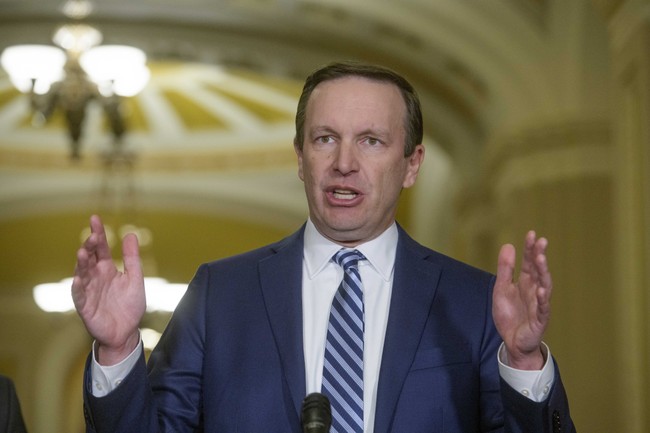
During an appearance on CNN, Senator Chris Murphy used the shooting as a backdrop to criticize Trump’s influence on gun violence in the United States. Murphy stated, “Donald Trump has been engaged in a dizzying campaign to increase violence in this country.” His remarks, which were amplified by CNN host Dana Bash, suggested a direct correlation between Trump’s rhetoric and the violent incidents.
The conversation sparked considerable debate about accountability and the role of political discourse in shaping public safety. Critics argue that blaming Trump without knowing the shooter’s identity or motives detracts from necessary discussions about gun control and personal safety in educational environments. The incident at Brown University, a campus known for its strict gun policies, has reignited discussions about the effectiveness of such regulations in preventing violence.
As the news broke, another mass shooting occurred in Australia, where strict gun laws are in place. The juxtaposition of these tragedies led to further criticism of the narrative being formed around gun violence, with skeptics questioning whether political figures would similarly assign blame in contexts far removed from the United States.
In the wake of the Brown shooting, the discourse surrounding gun rights and responsibilities intensified. While Murphy’s statements aimed to highlight the perceived dangers of Trump’s influence, many commentators noted that discussions around violence must also encompass various sociopolitical factors, including the rhetoric used by all sides.
The reaction to the media coverage of these shootings reflects a broader societal concern about the state of political discussions in America. As individuals and organizations continue to seek solutions to gun violence, the challenge remains in addressing the complexities of the issue without devolving into partisan blame.
The Second Amendment rights debate is likely to dominate conversations as the country moves closer to the midterm elections. Politicians on both sides are expected to leverage these incidents to bolster their positions, raising questions about the balance between personal safety and constitutional rights.
As the situation develops, it will be essential for lawmakers, media figures, and the public to engage in meaningful dialogue to address the root causes of violence rather than resorting to blame games that may further polarize the nation.