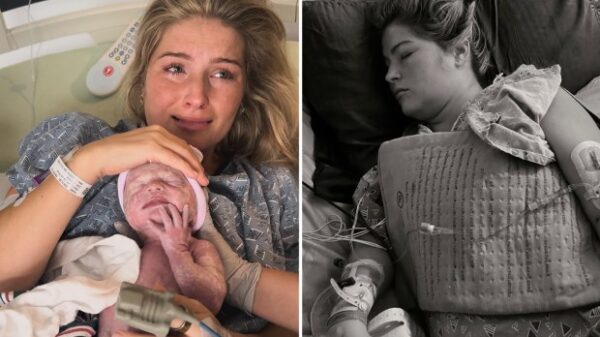







































Women often navigate a complex landscape of bodily changes and health experiences without sufficient guidance. A recent conversation initiated by various contributors highlighted key insights women wish they had known about their bodies during their formative years. These shared experiences reflect a broader need for open discussions surrounding women’s health and anatomy.
Common Misconceptions and Realities
Many women encounter surprises during their menstrual cycles. For instance, the average blood loss during menstruation ranges from 5 to 80 milliliters. Some women express frustration at needing to empty their menstrual cups multiple times daily, indicating a lack of practical education around menstrual health.
Personal anecdotes reveal ongoing challenges as well. One contributor shared, “I thought I would only experience hot flashes and that my periods would stop. Instead, it’s been eight years of discomfort, with new ailments every day.” This sentiment resonates with many who feel unprepared for the physical changes that accompany different life stages, including menopause.
Women also reported experiences that can lead to embarrassment but are completely normal. One noted, “You may still have period accidents and bleed through your pants as an adult. It sucks, but it happens.” Another emphasized the normalcy of darker hair around the nipples, a biological phenomenon that many women discover in their twenties without prior knowledge.
Body Image and Health Awareness
A significant theme in the conversation was the impact of societal expectations on body image. Contributors highlighted the misconceptions surrounding ideal body types, particularly in relation to breast shape and size. One woman remarked, “Average breasts rarely look like what we see in porn. I thought I had some genetic deformity because I didn’t resemble those images.”
Additionally, the pressure to conform to unrealistic beauty standards can lead to unhealthy behaviors. A contributor urged, “You need to nourish your body. Don’t let others dictate your worth based on your weight. It is crucial to consume protein and fruits, regardless of trends promoting extreme thinness.”
The conversation also touched on the importance of recognizing pain during sexual experiences. One woman emphasized, “Sex isn’t supposed to be painful, and if it is, there may be a medical reason behind it. Pushing through the discomfort often exacerbates the issue.”
The call for education and awareness extends beyond personal experiences. Contributors expressed a desire for more comprehensive discussions about women’s health in educational settings. This includes understanding the implications of childbirth on body changes, such as foot size, which can increase post-pregnancy.
As women continue to share their stories, the importance of fostering an environment where open conversations about bodily experiences can thrive becomes increasingly clear. By addressing these topics, society can enhance understanding and support for women navigating their health journeys.