







































Malawi is confronting a significant maternal health crisis following cuts to funding from the United States Agency for International Development (USAID). The reduction in financial support, initiated by an executive order from then-President Donald Trump in February, has led to the closure of health posts across the country, severely limiting access to critical healthcare services for mothers and children.
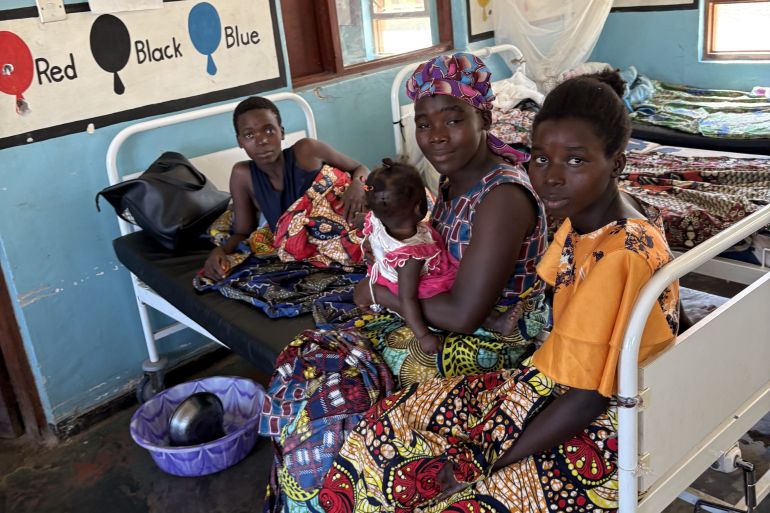
In the southern Mulanje district, Ireen Makata, a nursing officer specializing in maternal and newborn care, reflects on the changes at a local health post. Once bustling with activity, the facility now operates only once every two weeks due to funding constraints. Previously, dozens of women would seek maternal care here, but with the facility’s reduced availability, many now struggle to access essential services. “Most of the women who relied on this post now find the distance to access a district hospital too far,” Makata explains.
The Mulanje health post is one of 13 in the district and was established to serve remote communities. However, with dwindling supplies and infrequent visits from healthcare workers, women are increasingly forced to travel long distances on poor roads to reach district hospitals. This situation is exacerbated by the economic challenges many families face, as the travel time takes them away from their daily income-generating activities.
USAID had been a vital source of funding for Malawi’s health system, contributing nearly 32 percent of the nation’s total health budget prior to the cuts. The funding supported various initiatives, including the MOMENTUM program, which was designed to enhance maternal health services across 14 districts. With an investment of approximately $80 million, MOMENTUM aimed to strengthen existing clinics and establish new ones, providing essential training and medical supplies.
The halt of these programs has raised alarms among health experts in Malawi. The United Nations Population Fund (UNFPA) has continued to provide support, but resources are becoming scarce. There are increasing fears that the lack of funding will lead to a rise in maternal deaths as pregnant women lose access to necessary antenatal care. Makata emphasizes the dire consequences of these cuts, stating, “They are failing to get the ideal treatment for antenatal care services, especially during the first trimester of pregnancy.”
Community leaders like Massitive Matekenya are witnessing the impact firsthand. He describes how women in his community are now giving birth en route to hospitals, increasing the risks for both mothers and infants. “That puts baby and mother in jeopardy with the potential of the mother bleeding out,” he says. Matekenya further highlights a recent case where a woman died from malaria due to delayed access to treatment.
The situation is equally concerning at the Bwaila Fistula Centre in Lilongwe, where Margaret Moyo oversees the care of women suffering from obstetric fistula. This condition arises from prolonged labor without adequate medical intervention, leading to severe physical and social consequences. The centre, which treats over 400 patients annually, is now facing challenges in providing consistent care due to resource shortages.
Moyo’s concern extends beyond immediate treatment; she fears that the educational initiatives aimed at preventing fistula cases may diminish. “The focus should be on training midwives, access to care and education to delay pregnancy in younger women,” she asserts.
In response to the crisis, Malawi’s government is actively seeking alternative funding strategies. Dr. Samson Mndolo, Malawi’s Secretary of Health, indicates that the government is looking to optimize existing resources and enhance community-based healthcare approaches. “We didn’t panic when we heard about the USAID cuts,” Mndolo states, highlighting the need for efficient resource management.
Despite efforts to adapt, many community members remain anxious about the future. Tendai Kausi, a mother from the Musa community, expresses her fears regarding the long-term implications of the funding cuts on maternal health. “This is not good for the development of our country,” she says, underlining the broader societal impact of inadequate healthcare services.
As Malawi navigates this challenging landscape, the resilience and commitment of local health workers and community leaders will be crucial in mitigating the adverse effects of funding cuts. The country’s experience serves as a stark reminder of the importance of sustained support for maternal health initiatives, particularly in regions where access to healthcare is already limited.