
























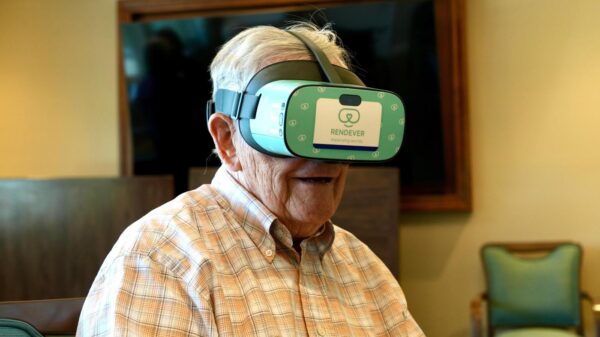
















A new study indicates that a remote cognitive rehabilitation program may significantly assist adults recovering from cancer in overcoming persistent mental challenges. Following treatment, many survivors experience what is known as “chemobrain,” a condition affecting memory, attention, and mental processing. According to research conducted by the University of California, San Francisco, up to 80% of cancer survivors face these cognitive difficulties, making routine tasks and personal relationships more challenging.
The study, published in July 2023, highlights the potential of an innovative program designed to improve cognitive function remotely. This approach is particularly beneficial in light of the COVID-19 pandemic, which has shifted many rehabilitation services online. The findings reveal that participants engaging in the program reported notable improvements in cognitive abilities as well as overall quality of life.
Understanding Chemobrain and Its Impact
Chemobrain refers to the subtle but disruptive changes in cognitive function experienced by cancer survivors. Symptoms include forgetfulness, difficulty concentrating, and processing information slower than before. These challenges can hinder everyday activities, work performance, and social interactions, leading to feelings of frustration and isolation.
The research conducted by the National Institutes of Health emphasizes the importance of addressing these cognitive issues. Survivors often report that the mental fog persists long after the completion of their cancer treatment. By focusing on the cognitive rehabilitation program, the study aims to provide survivors with the tools to regain control over their mental faculties.
The Remote Rehabilitation Program
The remote program consists of a series of structured cognitive exercises tailored to improve memory, attention, and executive function. Participants engage in activities that stimulate cognitive processes and are guided by trained professionals through virtual platforms. This format allows survivors to participate from the comfort of their homes, reducing barriers to access and fostering a supportive community.
Preliminary results from the program indicate that participants experience measurable improvements in cognitive tasks. Many also reported enhanced emotional well-being, demonstrating the program’s dual focus on cognitive and psychological recovery. The study’s authors express optimism about the long-term benefits of these interventions, particularly as they adapt to the needs of cancer survivors.
As the healthcare landscape evolves, remote interventions like this one may become a crucial component of post-cancer care. The research underlines the necessity for ongoing support systems that address both physical and mental health challenges faced by survivors.
In conclusion, while cancer treatment can bring relief, it often leaves behind a host of cognitive challenges. The remote cognitive rehabilitation program offers a promising avenue for addressing these issues, empowering survivors to reclaim their mental health and improve their quality of life. Further studies and broader implementation could pave the way for essential support in the aftermath of cancer, ensuring that survivors are not alone in their recovery journey.