








































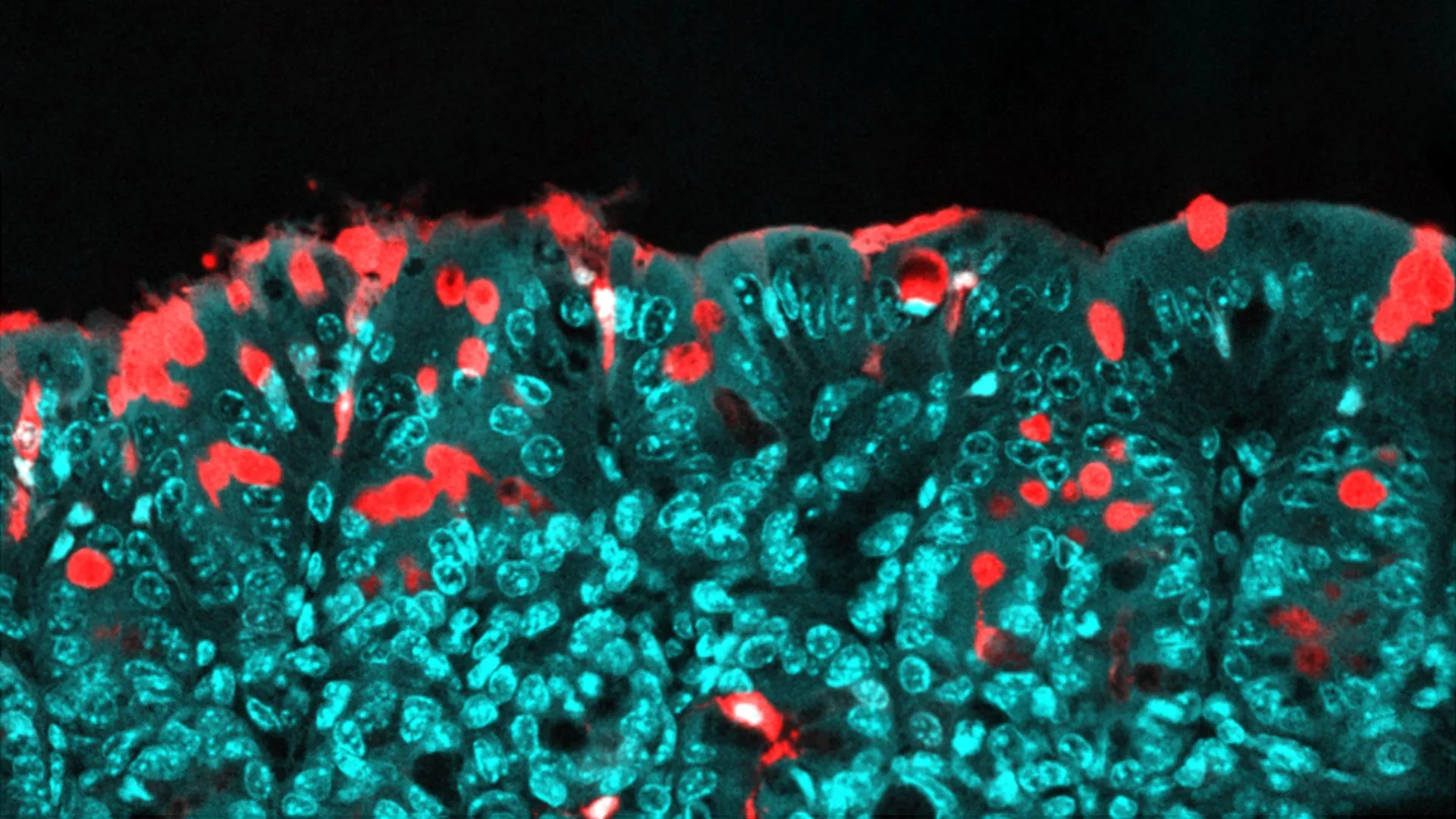
Research from the Institut Pasteur and Inserm has revealed that common food emulsifiers can significantly influence the health of offspring long after consumption by mother mice. The study, published on December 26, 2025, highlights alarming changes in the gut microbiome of young mice, potentially leading to chronic health issues such as inflammatory bowel diseases and obesity later in life.
The implications of these findings extend beyond the immediate effects on those who consume emulsifiers, suggesting that food additives can have generational impacts on health.
Study Overview and Findings
Led by Benoit Chassaing, Research Director at Inserm and Head of the Microbiome-Host Interactions laboratory at the Institut Pasteur, the study examined the effects of two widely used emulsifiers: carboxymethyl cellulose (E466) and polysorbate 80 (E433). The researchers administered these emulsifiers to female mice starting ten weeks prior to pregnancy and continuing through gestation and lactation.
The offspring, which had no direct exposure to these substances, displayed significant alterations in their gut microbiota within the first weeks of life. This early-life period is critical as maternal microbiota is naturally transmitted to offspring through close contact.
The research indicated an increase in specific bacteria known to activate the immune system and promote inflammation. This disruption resulted in an overactive immune response as the mice matured, heightening their risk for chronic inflammatory conditions and obesity.
Health Implications and Future Research
Chassaing emphasized the need to understand how dietary habits can impact the health of future generations. He stated, “These findings highlight how important it is to regulate the use of food additives, especially in powdered baby formulas, which often contain such additives and are consumed at a critical moment for microbiota establishment.”
The study underscores the necessity for further investigation into human health effects, particularly regarding maternal nutrition and its influence on infant microbiota development. Plans for clinical trials are underway to explore the transmission of microbiota from mothers to infants, focusing on both cases with and without emulsifier exposure.
Funded by a Starting Grant and a Consolidator Grant from the European Research Council (ERC), this research opens avenues for understanding the long-term implications of dietary emulsifiers. As the conversation around food additives continues to evolve, the findings from this study may prompt a reevaluation of regulations concerning their use in food products, especially those intended for vulnerable populations such as infants.