








































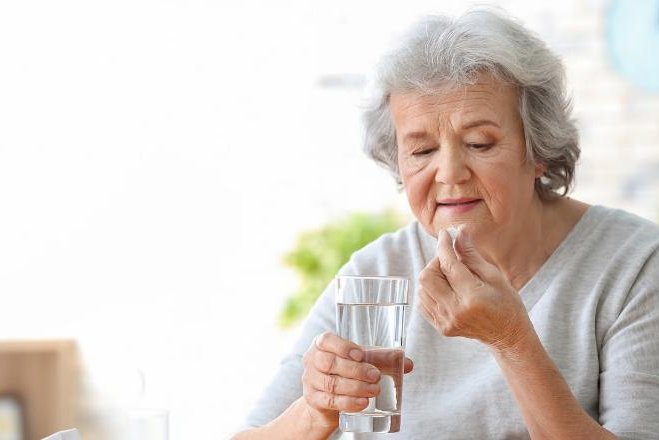
As individuals age, particularly those in their 50s and beyond, maintaining bone health becomes increasingly crucial. Research indicates that adequate levels of calcium and vitamin D are essential for preventing bone loss, which accelerates with age. According to Dr. Bess Dawson-Hughes, a senior scientist at Tufts University’s Jean Mayer USDA Human Nutrition Research Center on Aging, women can lose approximately 3% of their bone mass each year during menopause and for about five years thereafter due to declining estrogen levels. Men experience a more gradual decline, losing around 1% of their bone mass annually starting at age 50.
Weaker bones significantly increase the risk of fractures, particularly in older adults. The likelihood of sustaining injuries from falls rises as muscle strength and balance diminish, often exacerbated by insufficient vitamin D levels. This connection explains the sharp rise in hip fractures among individuals aged in their 70s and 80s, as noted by Dawson-Hughes.
While supplements can be beneficial, excess intake poses risks. Dawson-Hughes cautions that too much calcium can lead to kidney stones. Similarly, while those with low vitamin D levels may benefit from supplementation, she warns that high doses could result in diminishing returns. Studies have shown that older adults with elevated vitamin D levels may face increased risks of falls and fractures.
The National Academies of Sciences, Engineering, and Medicine highlights that much of the calcium in the typical U.S. diet derives from dairy products such as milk, cheese, and yogurt. Adults who do not consume about two servings of dairy each day might not meet their calcium requirements. In such cases, Dawson-Hughes recommends a daily supplement of 500 milligrams. Conversely, those who already consume sufficient dairy typically do not need additional supplements.
Vitamin D synthesis in the body is primarily dependent on sunlight exposure. Individuals residing in sunny locales, such as Florida, may not require supplements during winter months. However, those in northern regions often cannot produce vitamin D from October to March due to the sun’s angle. Dawson-Hughes advises that older adults in these areas should consider taking 800 to 1,000 international units (IU) of vitamin D daily during these months, especially if they spend little time outdoors.
Additionally, as people age, their appetites may diminish, making it challenging to obtain adequate nutrients solely from food. Dawson-Hughes emphasizes the importance of being mindful about dietary choices to ensure sufficient nutrient intake.
For further information about the role of calcium and vitamin D in maintaining bone health, resources are available from Johns Hopkins Medicine.