


































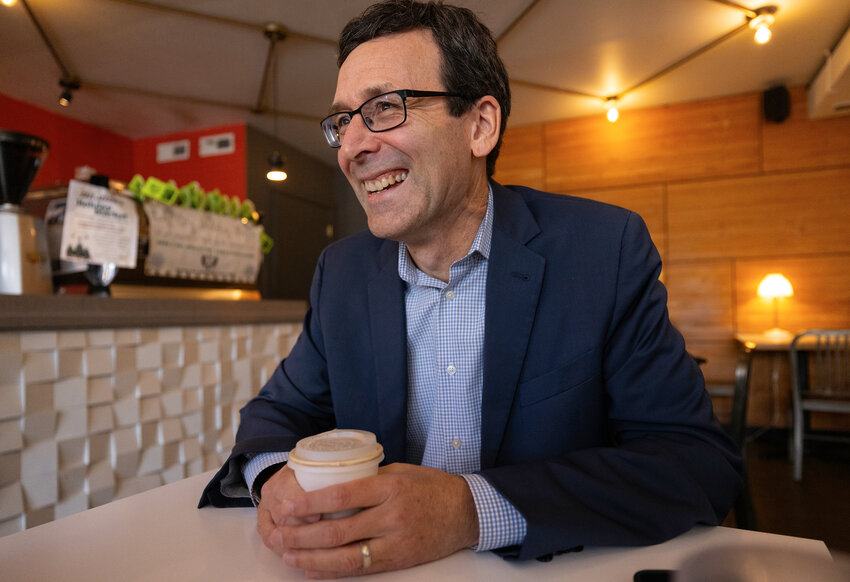
Washington Governor Bob Ferguson has introduced a plan to implement a personal income tax nearly a century after voters initially supported a similar initiative in 1932. The proposal aims to impose a 9.9% tax on individuals earning over $1 million annually. Ferguson argues that the new tax will help address the state’s regressive tax system, which heavily relies on sales taxes that disproportionately affect lower-income residents.
In the 1932 election, Washington voters approved an initiative for a graduated income tax to fund education and government programs. Over 70% of ballots cast supported the measure, a significant endorsement at the time. However, subsequent legal challenges, including a 1933 state Supreme Court decision, deemed the income tax unconstitutional, leading Washington to remain one of only nine states without such a tax.
Ferguson believes the time is ripe for a renewed discussion on income tax, especially given the changes in the state’s demographic and economic landscape. “I think the public is ready for this conversation,” he stated during a press conference at the state Capitol. He emphasized the need for tax reform, noting that families in the 20th percentile of income pay approximately 13.8% of their income in taxes while the wealthiest 1% pay only 4.1%.
The proposed income tax is projected to generate $3 billion annually, which Ferguson plans to allocate towards reducing sales taxes on essential items, expanding working families’ tax credits, and increasing funding for K-12 education. He has also expressed a commitment to ensuring that the income threshold remains in state law, preventing future adjustments that could widen the tax base.
Ferguson’s plan, however, faces significant opposition. Critics, including state Representative Travis Couture, argue that the proposal is unconstitutional and that any income tax could eventually be extended to lower-income residents. “I have pretty much zero faith that Democrats would lower the sales tax or other taxes as a result of the income tax,” Couture stated.
As the 2024 legislative session approaches, the governor’s proposal has garnered attention from lawmakers. Many Democrats, buoyed by a 20-seat majority in the House of Representatives, believe it is an advantageous time to revisit the issue. Ferguson’s assertion that it may take until 2029 to fully implement the tax provides a buffer for potential legal challenges that could arise.
The current state tax system heavily relies on sales taxes, which account for over half of the revenue collected from July 2024 to June 2025. This reliance creates vulnerabilities, particularly during economic downturns when consumer spending declines. Critics of the sales tax system argue that it is regressive, disproportionately impacting low-income residents.
Professor T.M. Sell of Highline College highlights the need for a comprehensive tax reform. He notes that the state’s tax structure has not evolved to meet the needs of its residents. “We have such a regressive tax system. The poor pay a much higher share of their income in taxes than do the wealthy,” he stated.
Supporters of the income tax argue that its implementation could create a more equitable tax system, lessening the burden on low-income residents and ensuring that the wealthiest contribute their fair share. House Majority Leader Joe Fitzgibbon pointed out that the absence of an income tax makes Washington’s tax code less sustainable and fair.
As the proposal moves forward, Ferguson acknowledges the likelihood of legal challenges, stating, “I wouldn’t be supporting a proposal unless I felt confident that we could navigate that path.” He believes that allowing voters to decide on the income tax could generate broader support for the initiative.
Despite the complexities and challenges ahead, the upcoming legislative session promises to reignite discussions on Washington’s tax system. With the governor’s ambitious proposal on the table, the state may soon face a pivotal moment in its fiscal history, echoing the sentiments of voters from over nine decades ago.