



















The proposed acquisition of Warner Bros. by Netflix has raised concerns among theme park enthusiasts regarding the future of beloved intellectual properties. The deal, which has yet to be finalized, could reshape the landscape for attractions based on Warner Bros.’ storied catalogue, leaving fans wondering what opportunities might be lost.
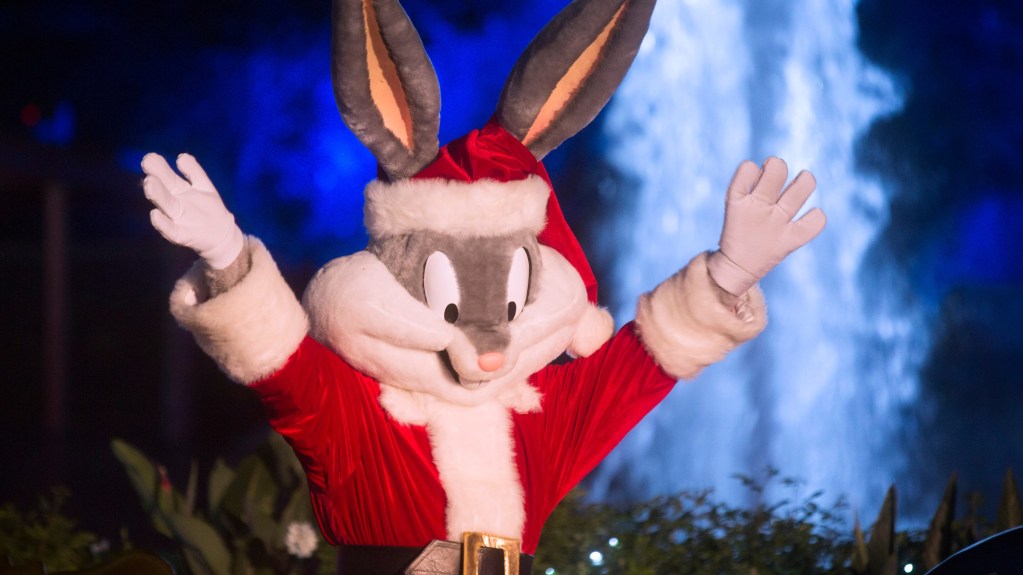
Warner Bros. is home to some of the most iconic franchises in the entertainment industry. The Wizarding World of Harry Potter has already proven to be a significant draw for Universal’s theme parks, contributing to record financial success. Additionally, the potential for immersive attractions based on DC Comics and Looney Tunes remains largely unrealized, despite the strong demand from fans. Moreover, The Lord of the Rings continues to be a coveted intellectual property that enthusiasts hope to see brought to life in theme parks.
Comcast, the parent company of Universal, was one of the bidders for Warner Bros. and its assets. Given Universal’s success with the Harry Potter franchise, the loss of this opportunity has left many fans frustrated. The possibility of Universal Creative developing other Warner Bros. properties into engaging theme park experiences could have expanded the offerings significantly.
For years, Six Flags has held the rights to utilize DC Comics and Looney Tunes within its parks, following its long-standing association with Warner Bros. However, the financial challenges faced by Six Flags due to pandemic-related debts raise questions about the future of these properties under their management. If Warner Bros. were to regain ownership under Comcast, it could potentially pave the way for Universal to develop its own Warner Bros.-themed attractions.
The situation remains uncertain with Netflix now in the mix. Should Netflix or another competitor like Paramount Skydance acquire Warner Bros., the landscape could shift. Yet, the value of a deal that allows Universal to develop not only theme park attractions but also movies and television shows featuring DC and Looney Tunes remains tantalizingly out of reach.
As a fan of Looney Tunes, the current management’s apparent indifference to these cherished characters is concerning. Universal has a strong track record in animated comedy, and acquiring the rights to Looney Tunes could position the company as a leader in this genre, balancing Disney’s dominance in animated musicals.
An interesting dynamic exists between Universal’s Marvel rights in Orlando and the potential for a shift to Warner Bros.’ DC properties. Currently, Universal’s contract limits new attractions based on Marvel characters, while Disney’s ability to promote its own Marvel developments remains constrained. A switch to Warner’s DC could unlock new opportunities for both companies to innovate and expand their superhero-themed offerings.
There is a glimmer of hope that Netflix may actively engage in bringing Warner Bros. franchises to life through themed attractions. The company has ventured into this area with the opening of Netflix House attractions in Philadelphia and Dallas, indicating an interest in developing location-based entertainment. However, achieving the level of success that Comcast has enjoyed in this sector will require significant effort.
While Comcast’s acquisition of Warner Bros. would have presented its own set of antitrust and competitive challenges, the potential synergy between Universal and Warner Bros. could have resulted in a remarkable expansion of theme park offerings. For now, theme park fans are left to speculate on what the future may hold as the acquisition process unfolds.