








































Chevrolet is solidifying its commitment to American manufacturing by expanding its lineup of vehicles produced in the United States. Leading the charge is the Chevrolet Silverado, which ranks as the second best-selling vehicle in the U.S. market, following the Ford F-Series. All models of the Silverado, including the light-duty 1500, the heavy-duty 2500 and 3500, and the all-electric Silverado EV, are built in the U.S. While some Silverados are manufactured in Mexico and Canada, specific production locations can be confirmed through the vehicle’s window sticker.
In addition to the Silverado, Chevrolet’s popular full-size SUVs, the Suburban and Tahoe, are also assembled in the U.S. These vehicles share a platform with the Silverado, highlighting the brand’s integrated manufacturing strategy. The Traverse, a three-row unibody SUV, and the Express commercial van are similarly produced domestically. Notably, the iconic Corvette has been built in Bowling Green, Kentucky, since 1981, further solidifying Chevrolet’s American roots.
New Models and Production Shifts
Chevrolet plans to introduce at least two additional American-made vehicles by the 2027 model year. The Chevrolet Bolt, recognized for its affordability as an electric vehicle (EV), is already in production at a GM facility in Kansas City. Alongside it, a new gas-powered Chevrolet Blazer is expected to roll off assembly lines in Tennessee.
The Silverado’s production is primarily divided among several key facilities: the Fort Wayne Assembly in Indiana produces the light-duty models, while heavy-duty versions are manufactured at the Flint Assembly in Michigan. Additional production occurs at plants in Oshawa, Ontario, and Silao, Mexico. Recent tariff implications may shift some production back to the U.S., particularly from Oshawa.
Meanwhile, Chevrolet’s electric vehicle strategy faces uncertainty. Production of the Silverado EV began at the reconfigured Detroit-Hamtramck facility, now known as Factory Zero, which underwent a significant $2.2 billion transformation. However, GM recently announced indefinite layoffs at this plant, raising questions about the future of its electric truck lineup.
Popular Models and Their Features
The Tahoe and Suburban are produced at the Arlington Assembly in Texas, with both vehicles offering spacious interiors. The Tahoe measures 211.3 inches in length, while the Suburban stretches to 226.3 inches. The Tahoe provides 34.9 inches of third-row legroom and 25.5 cubic feet of cargo space, whereas the Suburban offers 36.7 inches of legroom and 41.5 cubic feet of cargo space.
The Traverse, produced in Lansing, Michigan, distinguishes itself with a unibody construction, providing a smoother ride compared to its body-on-frame counterparts. Although it sacrifices some towing capacity—the Tahoe can tow up to 8,400 pounds compared to the Traverse’s 5,000 pounds—it is priced significantly lower, starting at around $42,000.
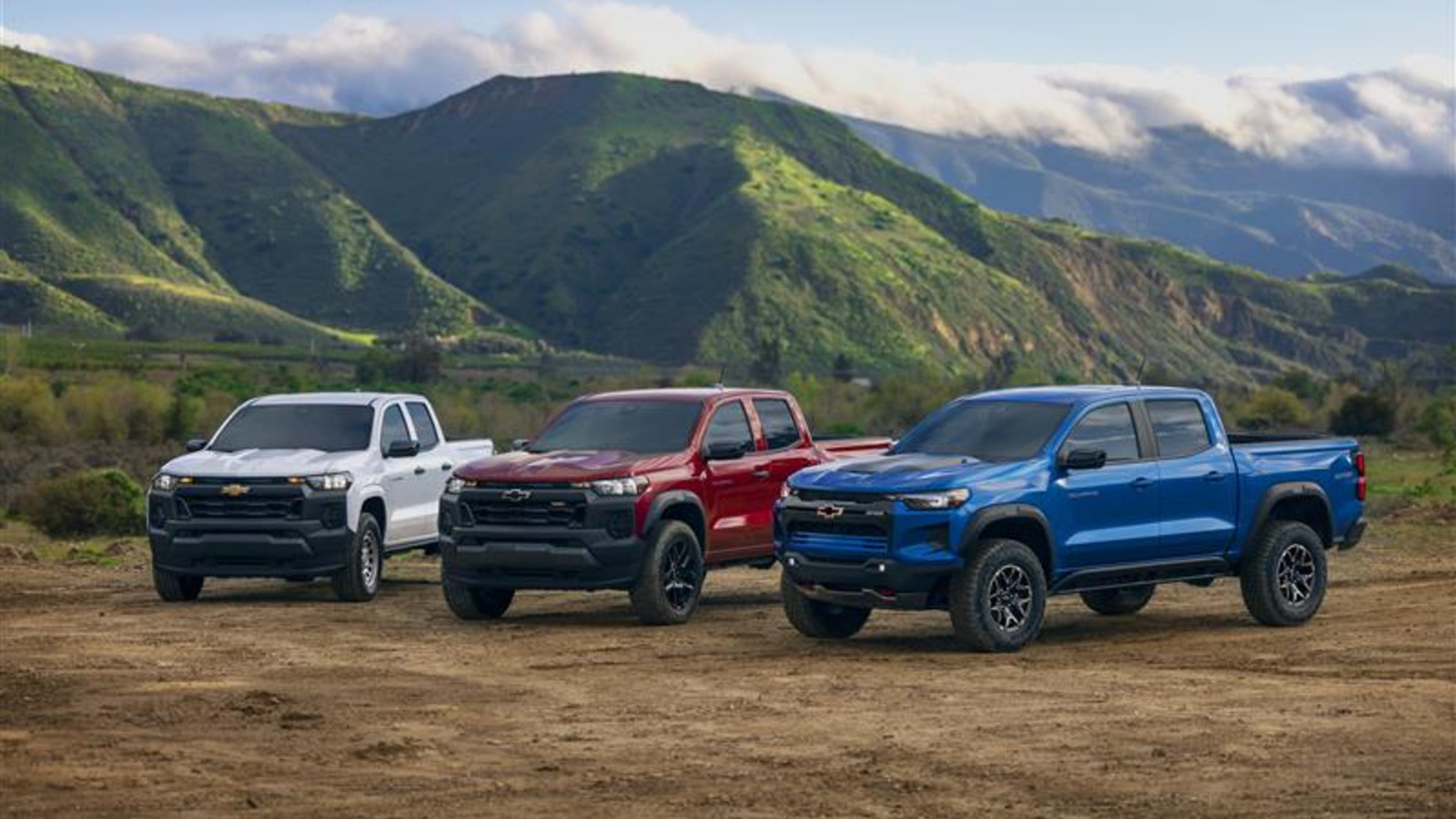
The Chevrolet Colorado, a midsize truck, and the Express van are built at the Wentzville Assembly Center in Missouri. The Colorado has garnered accolades, including being named Motor Trend Truck of the Year in multiple years. The Express has been in production since 1995, showcasing a long history of reliable service in the commercial vehicle segment.
The future of the Chevrolet Bolt EV is also on the horizon, as GM plans to revive the model for 2027. While the previous generation achieved record sales, the new iteration will shift production to a new facility. Priced at $28,995, the Bolt aims to attract consumers seeking affordable electric options amidst rising EV prices.
Chevrolet continues to demonstrate its commitment to American manufacturing, with plans for new models and a focus on maintaining a strong domestic production base. As the automotive landscape evolves, Chevrolet’s strategies will play a crucial role in shaping its future in the competitive market.
























