








































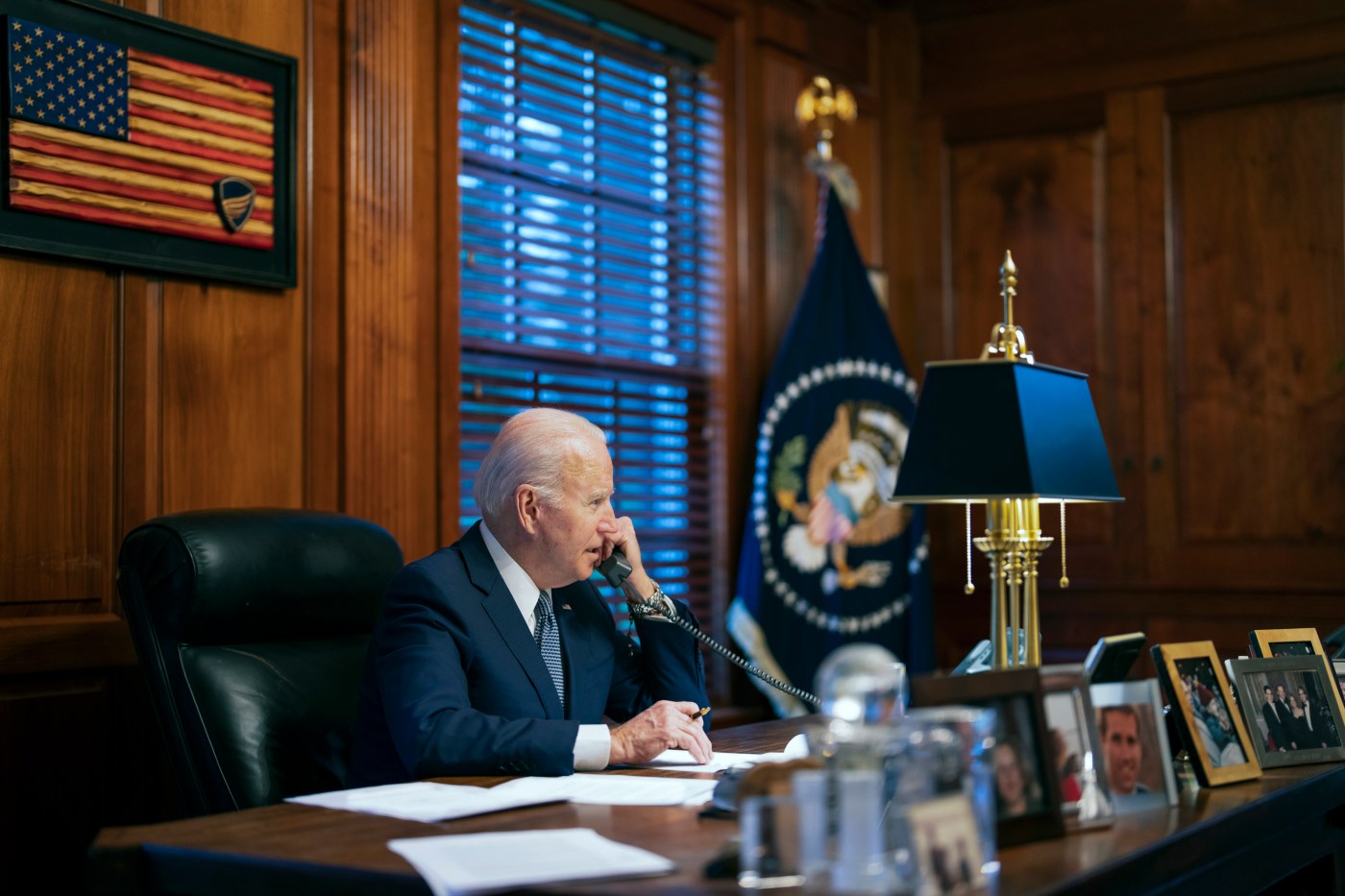
Efforts to raise funds for a presidential library dedicated to Joe Biden face considerable obstacles. The Biden Foundation has struggled to secure donations, with reports indicating that even during his final year in office, the foundation received no contributions. This lack of financial support has raised questions about the necessity and cost of presidential libraries in general.
The concept of a presidential library is not new, but its financial implications have evolved dramatically over time. For example, former President Harry S. Truman left office in 1953 without any fanfare and returned to his hometown of Independence, Missouri, where a modest library and museum were built in his honor. The total cost for Truman’s library was approximately $1.7 million, which is a stark contrast to the extravagant designs of modern libraries.
In comparison, Barack Obama‘s library in Chicago is projected to reach costs of up to $1 billion by its expected opening in 2026. This facility, described as a “granite monstrosity,” will feature a basketball court and occupy a significant portion of Jackson Park. The sheer scale and expense of Obama’s vision highlight how the expectations surrounding presidential libraries have shifted over the decades.
Biden’s current fundraising efforts are hindered by his approval ratings, which many consider among the lowest for a sitting president in modern U.S. history. His library foundation, now led by Rufus Gifford, a former ambassador to Denmark, was initially supported by $4 million remaining from his inauguration funds, but ongoing financial support has proven elusive.
One suggested avenue for Biden to explore is leveraging his previous relationship with Obama. While direct financial assistance from Obama seems unlikely, creative solutions could be considered, such as sharing space within the Obama library for Biden’s collection. This would not only help mitigate costs but also serve as a symbolic gesture of their partnership during their eight years in office.
Moreover, Biden could look into unconventional sources of funding. With estimates suggesting that approximately 20 million undocumented immigrants have entered the United States during his presidency, there could be potential for soliciting donations from this community. A nominal fee of $10 per person could theoretically yield significant funds, potentially raising up to $200 million for the library.
As Biden navigates these fundraising challenges, the conversation continues about the relevance and purpose of presidential libraries in contemporary society. The need for expansive, costly structures to house a president’s legacy raises questions about the allocation of resources, especially when considering the existence of numerous underutilized government buildings and libraries that could serve such a purpose.
Through innovative strategies and partnerships, Biden may find a way to secure the necessary funding for his presidential library. However, the road ahead remains fraught with challenges that reflect broader issues within his administration and the current political climate.
























