








































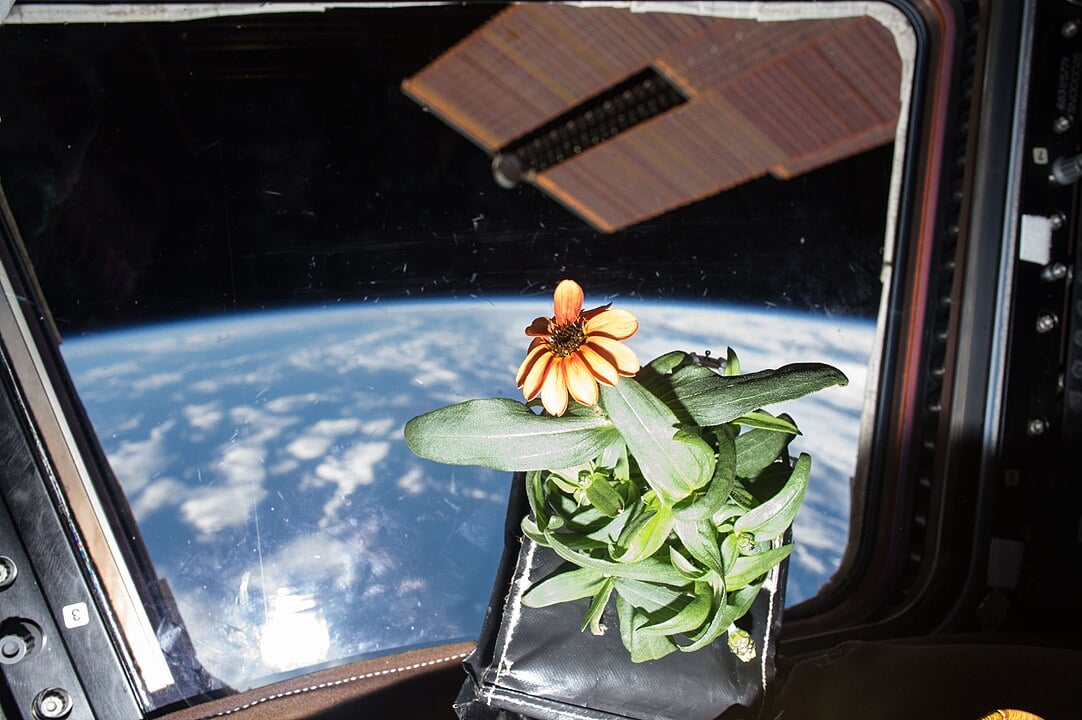
NASA is intensifying efforts to develop agricultural technologies essential for sustaining human exploration of the Moon and Mars. A collaborative initiative involving global scientists aims to enable astronauts to grow fresh food in extraterrestrial environments. This ambitious vision includes astronauts cultivating crops, such as Mizuna, in lunar soil simulant by the year 2035.
Recognizing astronaut nutrition as a critical risk factor for crew health and mission success, NASA has shifted its focus from traditional food supply methods. For short missions to the International Space Station (ISS), freeze-dried meals have sufficed. However, missions to Mars will span years, necessitating a revolutionary approach to food production in space.
Bioregenerative Life Support Systems
The solution lies in creating what scientists term Bioregenerative Life Support Systems. These systems not only provide nutrition but also perform essential functions such as generating oxygen through photosynthesis, purifying water, and recycling waste products. Additionally, plants can support the psychological well-being of astronauts, offering a touch of greenery and a sense of purpose during extended missions far from Earth.
Challenges arise due to the unique conditions in space. On Earth, gravity directs root growth downwards and shoots upwards, a phenomenon known as gravitropism. In contrast, the Moon’s gravity is just one-sixth that of Earth, while Mars has about one-third of Earth’s gravity. Spacecraft experience microgravity, leading to disrupted fluid dynamics and nutrient flow, which can stunt plant growth.
Innovative Research and Experiments
A research team led by scientists from the University of Melbourne is working on evaluating how different plant species can thrive in these challenging conditions. Their framework extends beyond simple crop yields to include essential life support functions, such as air recycling and water purification.
Significant advancements are anticipated with NASA’s upcoming Artemis III mission, set to launch in late 2027. This mission will feature the Lunar Effects on Agricultural Flora experiment, which will grow three fast-growing plant species in a controlled chamber on the lunar surface. After one week, 500 grams of plant samples will return to Earth for analysis, focusing on how reduced gravity and increased radiation impact gene expression and plant physiology.
To further enhance plant growth in space, researchers are developing sophisticated computer models that leverage artificial intelligence. These models will account for the unique conditions astronauts face, including sensory perception and food preferences, ultimately reducing menu fatigue during lengthy missions.
This research represents a critical step towards establishing sustainable human presence on the Moon and Mars. As efforts continue, the dream of astronauts enjoying fresh food grown in space is becoming increasingly realistic, pushing the boundaries of human exploration further than ever before.
























