








































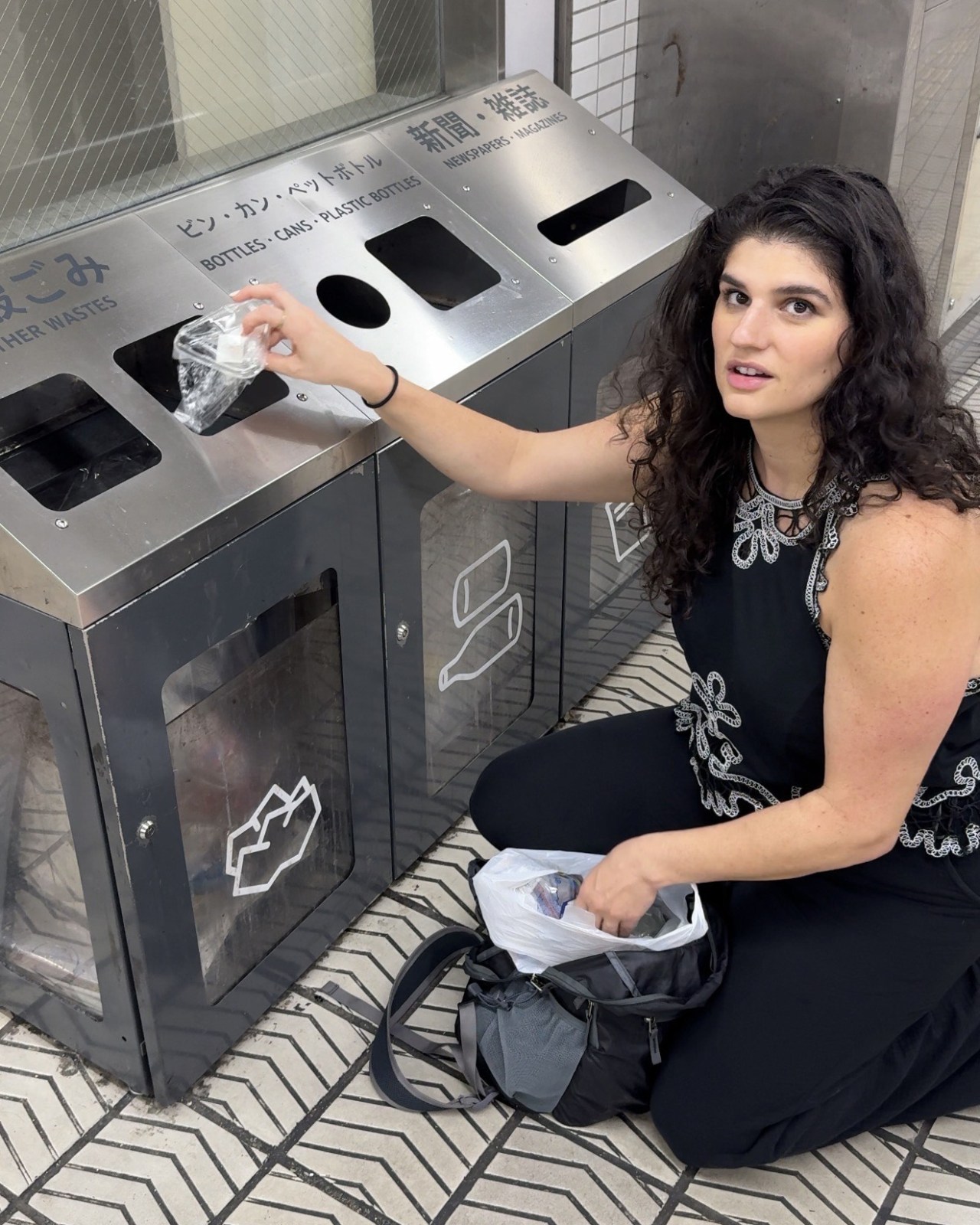
Visitors to Japan, known for its stunning landscapes and impeccable cleanliness, are encountering an unexpected challenge: a notable absence of public trash cans. Tourists in major cities like Tokyo, Osaka, and Kyoto must navigate their day without easy access to waste disposal options, often resorting to storing their trash in coats and backpacks.
Japan’s commitment to cleanliness is well-documented, with the nation consistently ranking as one of the cleanest in the world. Yet, the scarcity of public garbage bins has left many visitors perplexed. Observations from tourists indicate that they frequently encounter streets free of litter, but the means to dispose of their waste has become a pressing concern during their travels.
Understanding the Lack of Public Bins
The absence of trash cans in public spaces is not a random oversight. Local authorities in Japan have intentionally reduced the number of these bins as part of broader environmental policies. Following the 1995 Tokyo subway sarin attack, which heightened concerns about terrorism, many municipalities removed public trash cans to minimize potential threats. This decision has since evolved into a cultural practice aimed at encouraging personal responsibility for waste management.
As visitors walk through bustling districts, they often find themselves juggling snack wrappers and beverage containers, unsure of where to dispose of their refuse. While many local residents have adapted to this system, tourists remain caught off guard, leading to confusion and frustration.
Adapting to Japanese Cleanliness Norms
In response to the lack of trash cans, tourists are adapting in various ways. Some are carrying reusable containers or bags to store their waste until they can find a suitable disposal option. Others have taken to asking locals for advice on where to find the nearest bin, often receiving helpful directions to convenience stores or train stations, which may have designated waste areas.
While the situation poses challenges, many travelers appreciate Japan’s commitment to cleanliness. The sight of pristine streets and well-maintained parks reflects a deep cultural ethos centered around respect for public spaces. Tourists are often impressed by the efforts of local communities to maintain these standards.
Despite the inconveniences, this unique aspect of Japanese culture offers an opportunity for education about waste management and environmental responsibility. Visitors can learn valuable lessons about the importance of reducing waste and disposing of it properly.
In summary, the lack of public trash cans in Japan presents a curious challenge for tourists navigating the country’s clean and orderly environment. As visitors learn to adapt, they contribute to the ongoing conversation about cleanliness and sustainability in a nation renowned for its dedication to preserving public spaces.