



































The European Union has opted not to utilize frozen Russian assets to support Ukraine in its ongoing conflict against Russian aggression. This decision, made public on March 15, 2024, highlights a significant hesitance within Europe when confronting threats from the Russian Federation. The EU’s reluctance underscores concerns regarding potential repercussions, both economic and diplomatic.
The decision was influenced by extensive discussions among member states, particularly within the European Council. While some nations advocated for tapping into the estimated €300 billion (approximately $323 billion) in frozen Russian assets to bolster Ukraine’s defense, others feared potential escalation and retaliation from Russia. This divide reflects broader tensions within Europe regarding how best to respond to aggressive foreign policy.
In a statement, Ursula von der Leyen, President of the European Commission, emphasized the need for a unified approach. “We must stand firm against aggression while ensuring that our actions do not lead to greater instability in the region,” she noted. This sentiment resonates with the ongoing debates about the effectiveness of sanctions and their impact on both the Russian economy and European stability.
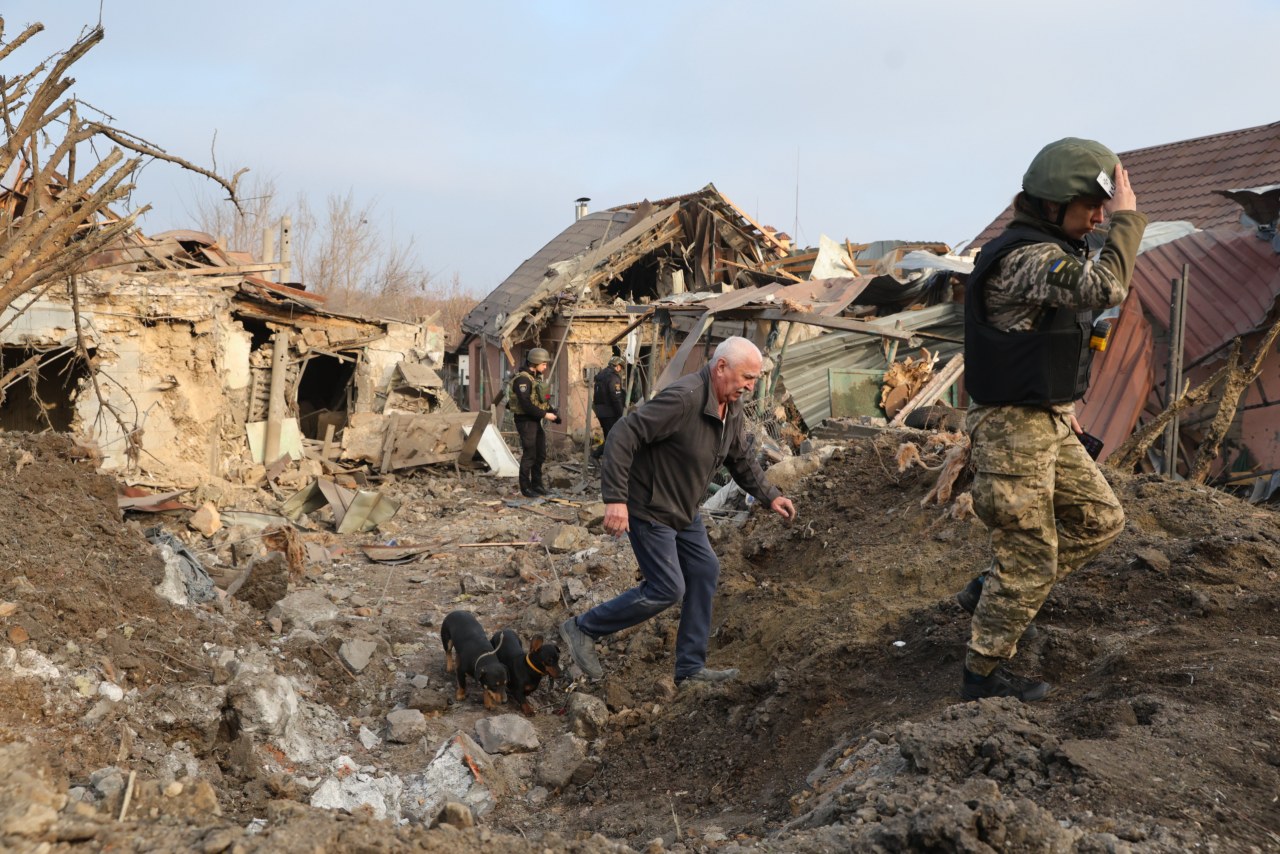
Russia’s continued military actions have prompted calls for a more robust European response. Analysts argue that the failure to act decisively could embolden the Kremlin and undermine Ukraine’s defense efforts. As NATO member states assess their strategies, the lack of consensus on utilizing Russian assets raises questions about Europe’s long-term approach to security.
The economic implications of this decision are significant. With inflation rates already rising in several European countries, concerns grow about the potential costs of continued inaction. By not leveraging frozen assets, Europe risks missing an opportunity to provide essential support to Ukraine, which has been facing increasing military pressure.
Additionally, the decision to refrain from accessing these assets may have a broader impact on international perceptions of European resolve. Observers note that a firm stance against Russia is crucial for maintaining credibility on the global stage.
As tensions continue to escalate, the European Union faces the challenge of balancing immediate support for Ukraine with the long-term implications of its actions. The ongoing conflict has already strained resources, and the prospect of further economic fallout looms large.
In light of this complex situation, the upcoming meetings of NATO leaders will be pivotal. With discussions expected to focus on collective defense strategies and economic aid for Ukraine, the outcomes could shape the future of European security policy.
The EU’s decision not to tap into Russian assets demonstrates the intricate balance of power and diplomacy at play. As Europe navigates these turbulent waters, the stakes remain high for both regional stability and the ongoing fight for Ukraine’s sovereignty.