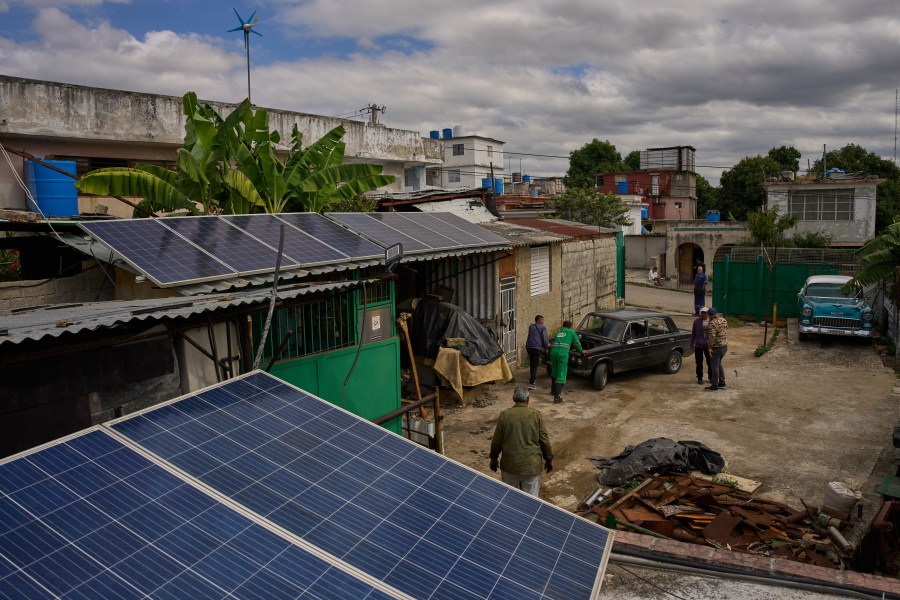
Cuban citizens are increasingly focusing on self-sufficiency as the United States intensifies its economic sanctions against the island nation. This move is seen as an effort to pressure the Cuban government and potentially incite a popular uprising. The situation has become more dire for many families in Cuba, particularly following the reduction of critical oil shipments from foreign suppliers, a situation exacerbated by the new sanctions.
The U.S. government has implemented a series of measures aimed at crippling the Cuban economy. According to the U.S. Department of State, these sanctions, which have been tightened since September 2023, are intended to diminish the resources available to the Cuban government. The restrictions have made it increasingly difficult for Cubans to access essential goods, including food, medicine, and fuel.
Cubans are adapting to these challenges by seeking alternative means of support. Many individuals have turned to informal markets to buy and sell goods, while others have begun cultivating their own food in urban gardens. This grassroots movement towards self-reliance highlights the resilience of the Cuban people in the face of economic adversity.
The tightening of sanctions is not only impacting the economy but also the daily lives of ordinary Cubans. A significant segment of the population is struggling to afford basic necessities. Reports indicate that the prices of essential items have surged, making it even harder for families to make ends meet.
As the situation worsens, the Cuban government has responded by increasing surveillance and cracking down on dissent. Authorities have reportedly intensified their efforts to suppress any form of protest against the government, fearing that unrest could lead to a more significant challenge to their power.
The impact of these sanctions on the Cuban economy has drawn criticism from various human rights organizations. They argue that such measures disproportionately affect the civilian population rather than the government. According to a report from Human Rights Watch, “the people of Cuba are suffering the consequences of international policies that fail to consider their well-being.”
Despite the hardships, there are indications that some Cubans are becoming more politically aware and vocal about their dissatisfaction. Recent events have seen small protests emerge, signaling a potential shift in public sentiment. However, the government’s strict control over dissent means that these movements face significant risks.
The future remains uncertain for Cuba as the U.S. continues its economic pressure. While the intention behind the sanctions may be to encourage change, the reality is that ordinary Cubans are bearing the brunt of these decisions. As the country grapples with these challenges, the resilience of its people will likely play a crucial role in shaping the future of the island.
In conclusion, the tightening of U.S. sanctions on Cuba is contributing to a difficult environment for the population, leading many to seek self-sufficiency as a means of survival. The ongoing economic struggles and increased government repression illustrate the complex dynamics at play in this vital region. The situation in Cuba serves as a poignant reminder of the human impact of international policy decisions.