






































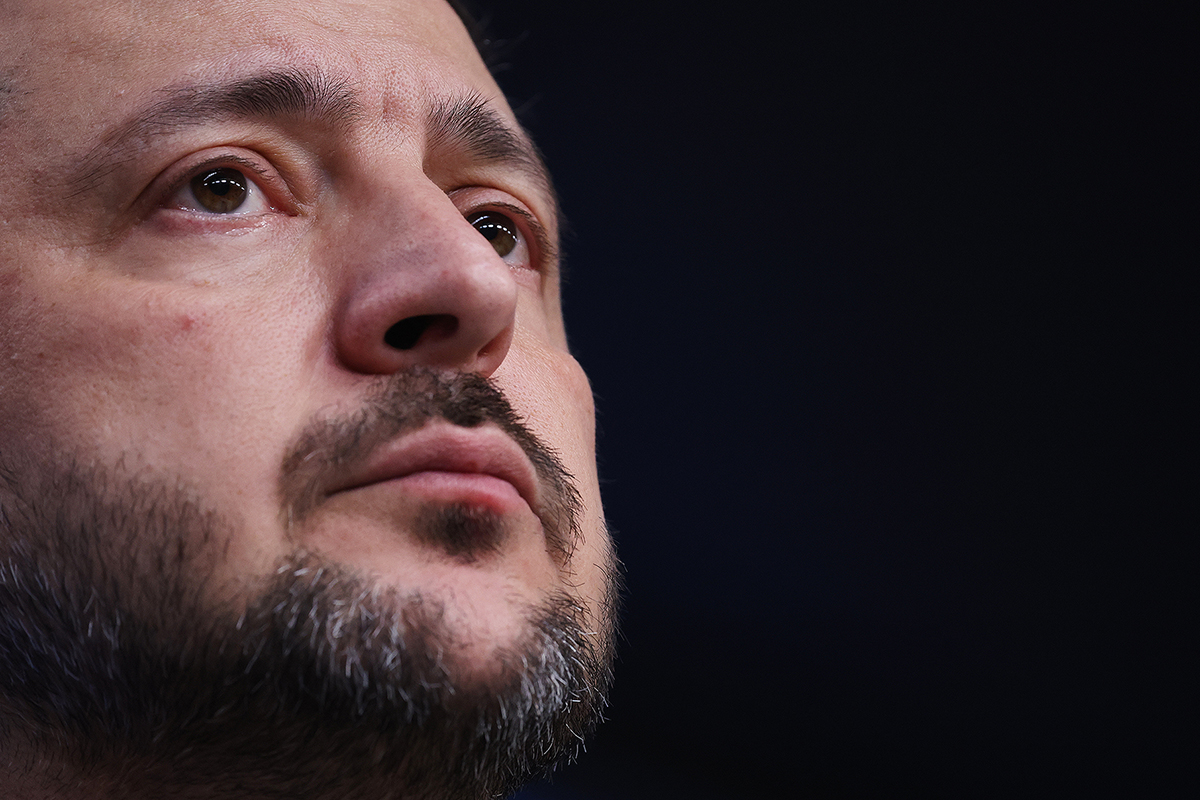
UPDATE: President Volodymyr Zelenskyy has expressed cautious optimism following urgent ceasefire negotiations involving Ukraine, the United States, and European leaders. This pivotal moment comes after months of stagnant discussions and is being closely monitored by international observers.
New reports confirm that the negotiations have shifted from abstract discussions to concrete proposals, with potential legally binding security guarantees being offered to Ukraine by U.S. officials. If fulfilled, this would mark a significant victory for Kyiv, which has sought such assurances since gaining independence from Moscow in 1991.
As tensions remain high, Zelenskyy appears ready to consider difficult compromises, including discussions around sensitive territorial issues. However, analysts caution that the central question remains: what happens after a ceasefire is established? The painful lessons from past agreements loom large, particularly the 2015 Minsk Agreement, which failed to halt hostilities effectively.
“What prevents Russia from turning a ‘ceasefire’ into a means of finishing the job?”
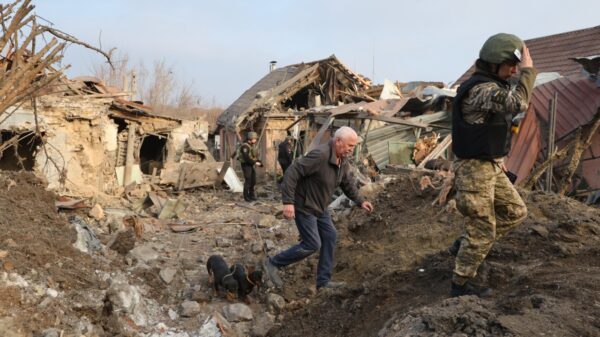
Ukraine’s experience during the Minsk negotiations serves as a stark reminder. Despite the ceasefire beginning on February 15, 2015, fighting continued unabated, culminating in the loss of Debaltseve. In this context, the fear of Russia exploiting a new ceasefire to seize additional territory is palpable.
Officials from Germany and France previously pressured Ukraine to comply with ceasefire terms, even as Russian violations persisted. This created an imbalanced dynamic where Ukraine was forced to bear the brunt of compliance while Russia moved to solidify its territorial gains. With that history in mind, the stakes are exceedingly high for Ukraine as it navigates these negotiations.
As developments unfold, the international community watches closely. The potential for legally binding security guarantees represents a critical juncture in Ukraine’s ongoing struggle against Russian aggression. Should these negotiations succeed, it could reshape the geopolitical landscape in Eastern Europe.
For Zelenskyy, the path forward is fraught with challenges. Balancing the need for peace with the imperative of territorial integrity is no small feat. The coming days will be crucial as the potential ceasefire discussions develop further. Observers are eager to see whether the commitments made by the U.S. and Europe will translate into tangible security for Ukraine.
As the situation evolves, the global audience remains engaged, reflecting the urgent need for resolution in a conflict that has already cost many lives and displaced countless families. The message is clear: any agreement must ensure that Ukraine’s sovereignty is upheld while providing a framework for lasting peace.
What happens next could define the future of Ukraine’s independence and its relationship with the West. Stay tuned for real-time updates as this situation continues to unfold.