







































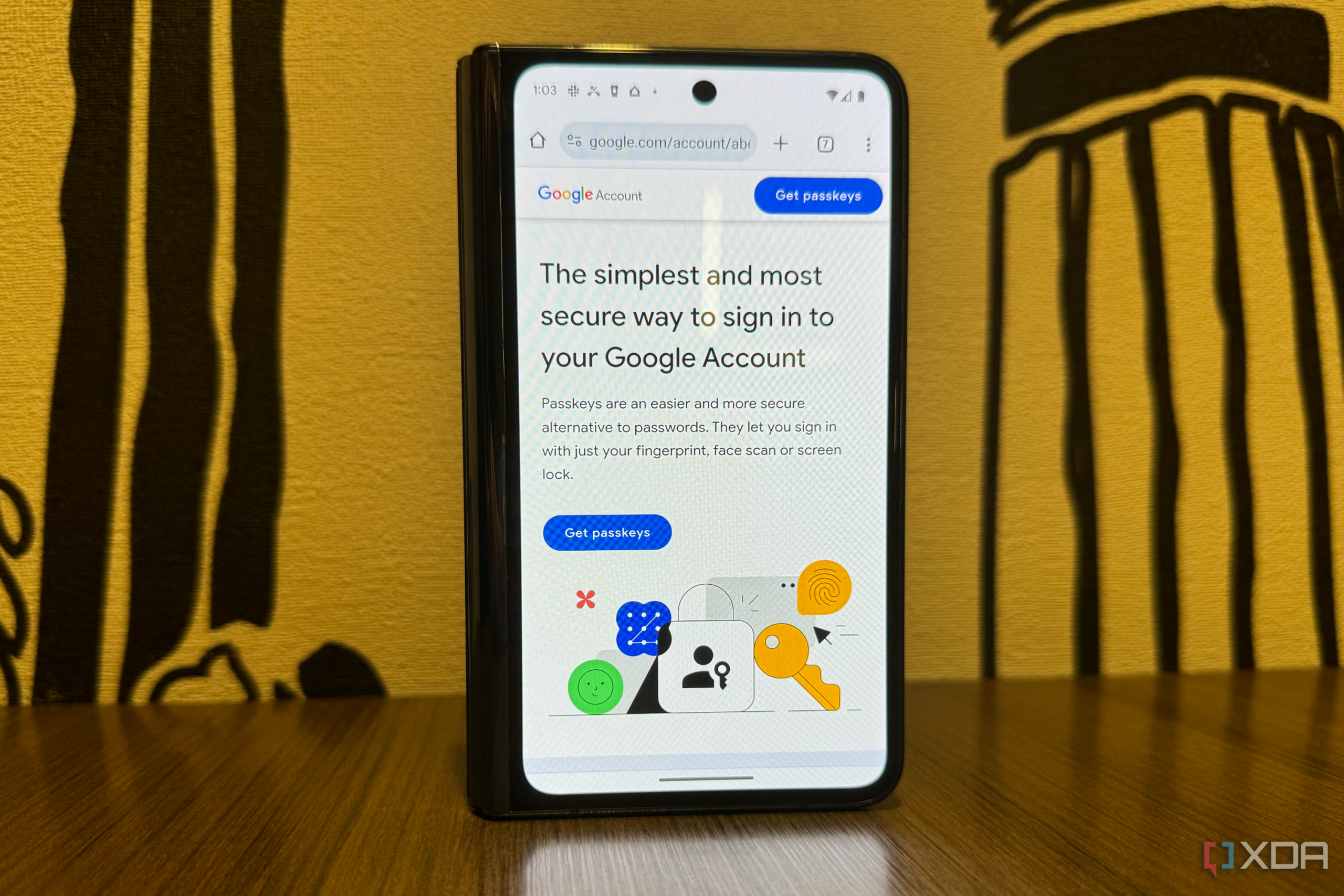
URGENT UPDATE: The transition to passkeys as a security standard is underway, but users are facing significant challenges. As organizations like Apple, Google, and Microsoft implement these systems, early adopters report frustrations that could hinder widespread adoption.
Passkeys promise a future free from the vulnerabilities of traditional passwords, which have long been plagued by breaches and user error. However, the reality of integrating passkeys into daily use is proving to be more complex than anticipated. Users are now grappling with issues such as sync failures and confusing interfaces, creating a sense of urgency around improving the user experience.
Experts highlight that the core technology behind passkeys, based on the FIDO2/WebAuthn standard, is robust and secure. Unlike passwords, passkeys involve a cryptographic key pair—one stored on the user’s device and the other kept by the service provider. This architecture significantly reduces the risk of phishing attacks and data breaches, as the private key never leaves the user’s device.
Despite these advantages, the adoption of passkeys is hampered by usability problems. Users must navigate a fragmented ecosystem where how passkeys function varies dramatically between platforms. For example, while Apple’s iCloud Keychain seamlessly syncs passkeys across its devices, introducing a Windows PC or Android phone complicates the process, often requiring cumbersome QR codes for access.
Google’s implementation offers better integration for users within the Chrome ecosystem but falters when users switch to other browsers or devices. Similarly, Microsoft’s Windows Hello offers a secure experience but ties passkey management closely to the Microsoft ecosystem, frustrating users who operate across multiple platforms.
The challenges extend to account recovery as well. Unlike traditional passwords, which can be easily reset via email or phone, users must restore passkeys from their cloud service, making access precarious if they are locked out of their accounts.
As of now, the tech industry is in an awkward transition period. While the underlying technology of passkeys is superior to passwords, the user experience has not yet caught up. The demand for a streamlined, user-friendly approach has never been more pressing, as users express their dissatisfaction with the current state of affairs.
Consumer feedback underscores the emotional toll this transition is taking. Many users report feeling overwhelmed and confused by the complexities of passkeys, with some likening the experience of setting them up for family members to the notorious frustration of troubleshooting printers.
Despite these growing pains, experts remain optimistic about the future of passkeys. As cloud syncing improves and cross-platform interoperability becomes more standardized, users may eventually find comfort in a system that prioritizes security without sacrificing ease of use.
For now, the tech community must address these urgent usability issues to encourage broader adoption. Passkeys represent a significant step forward in the realm of digital security, but making them accessible to the average user is critical for realizing their full potential.
As organizations continue to refine their approaches, users are urged to remain patient and engaged. The road to a password-free future may be rocky, but the promise of enhanced security is worth the effort.
Stay tuned for more updates on this developing story as the tech industry works towards a smoother transition to passkeys.