



























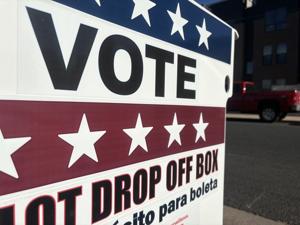
BREAKING: A new poll reveals that a significant number of unaffiliated voters in Colorado are calling for greater moderation from both the Democratic and Republican parties. This urgent update highlights a growing distrust among voters toward traditional party lines, emphasizing a shift that could reshape future elections.
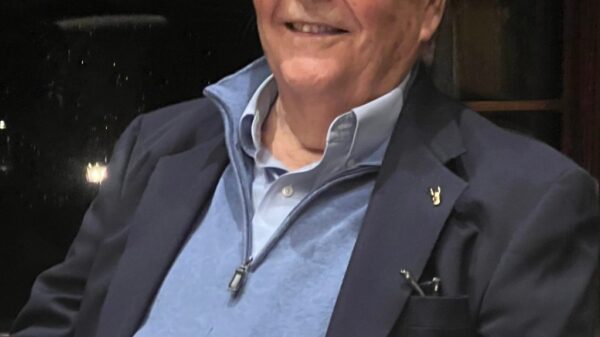
Conducted by a poll backed by multimillionaire businessman Kent Thiry, the survey found that over 60% of these voters prioritize their electoral flexibility in primary elections. This critical sentiment underscores a desire for candidates who appeal to a broader base rather than adhering strictly to party ideologies.
The poll results, released earlier today, indicate that 70% of unaffiliated voters believe both parties need to adopt more centrist positions to regain their trust. The findings signal a potential pivot in Colorado’s political landscape as these voters express frustration with extreme partisanship.
Why does this matter NOW? With primary elections fast approaching, the pressure is on parties to adjust their platforms. Many voters are eager for representatives who can bridge divides rather than exacerbate them, making this a pivotal moment for both parties.
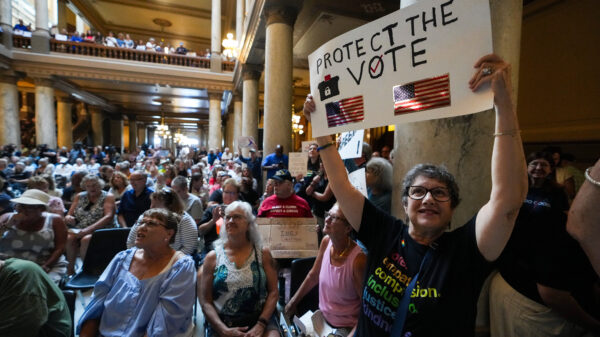
The results are particularly relevant as Colorado has seen a significant rise in unaffiliated voters, who now make up nearly 46% of the state’s electorate. Their influence in upcoming elections could be decisive, potentially altering the dynamics of both local and national races.
“Unaffiliated voters are the backbone of our democracy,” said Kent Thiry. “Their call for moderation should not be ignored by either party.”
As the political climate continues to evolve, the implications of this poll could lead to a more competitive environment in Colorado. Political analysts are already speculating on how candidates will respond to these demands for moderation and flexibility.
What’s next? Both the Democratic and Republican parties will likely need to reassess their strategies to appeal to this critical voter segment. Observers will be watching closely to see how party leaders react and whether they can effectively shift their messaging to align with the desires of Colorado’s unaffiliated voters.
This urgent call for change not only reflects the immediate concerns of Colorado voters but also resonates with a broader national conversation about partisanship. The stakes are high as voters seek representatives who prioritize collaboration over division. As we move closer to the primaries, expect this issue to gain traction and influence the political discourse across the nation.
Stay tuned for further updates as this story develops. The choices made today could significantly impact the future of political engagement in Colorado and beyond.