

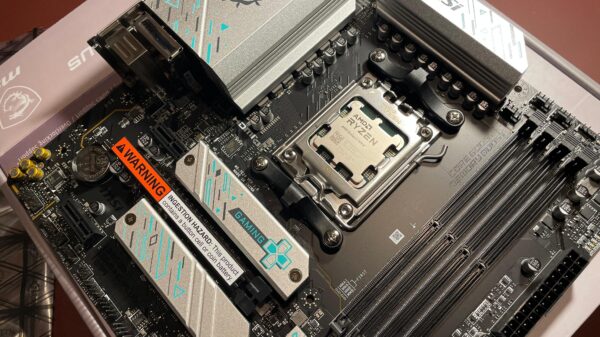






































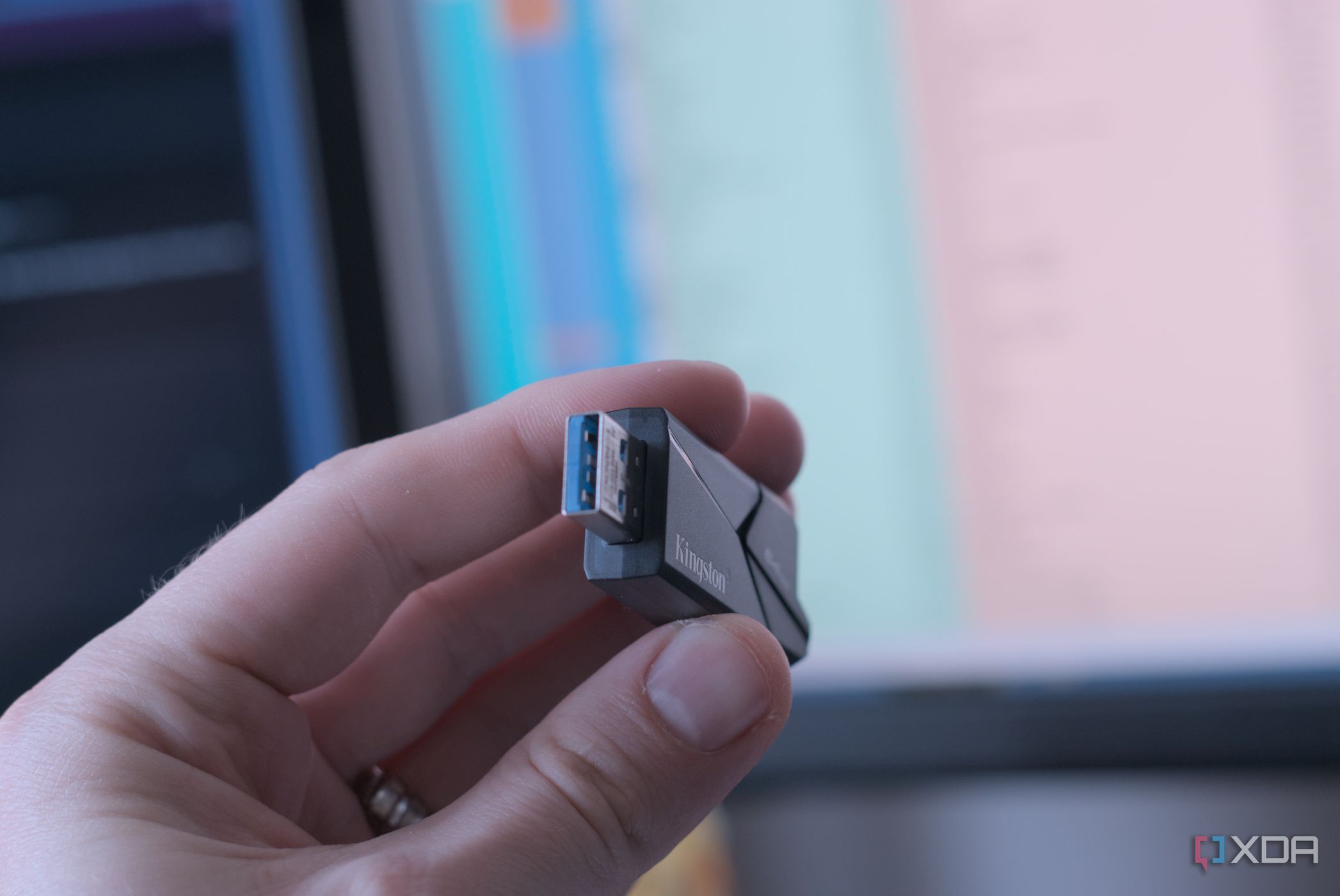
New reports confirm that many computer users are misusing their USB ports, leading to significant performance issues. With modern PCs featuring between **2 to 5 different USB standards**, the risk of plugging devices into the wrong ports has never been higher. This misuse can dramatically reduce transfer speeds and effectiveness.
UPDATE: Experts warn that using the wrong USB port can result in a **performance loss**, particularly for high-speed devices. Certain gadgets, such as external hard drives and high-definition cameras, require more bandwidth. Conversely, devices like keyboards and mice do not need high-speed connections, making it critical to optimize port usage.
Authorities emphasize that many users are unaware of these differences. For instance, connecting a high-demand device to a **USB 2.0 port** instead of a **USB 3.0** or **USB 3.1 port** can lead to transfer speeds dropping from **480 Mbps** to as low as **12 Mbps**. This is a staggering difference that directly impacts user experience.
To address these issues, tech experts recommend checking your device’s specifications before plugging in. Understanding the specific requirements of your devices can enhance performance and prevent unnecessary frustration.
What to do next: Users should familiarize themselves with the USB standards available on their devices. Labeling ports or using color-coded cables can also help prevent future mistakes.
As technology evolves, staying informed about these developments is crucial. For those looking to maximize their device performance, a quick review of USB port specifications could make all the difference. Stay tuned for more updates as this story develops.