







































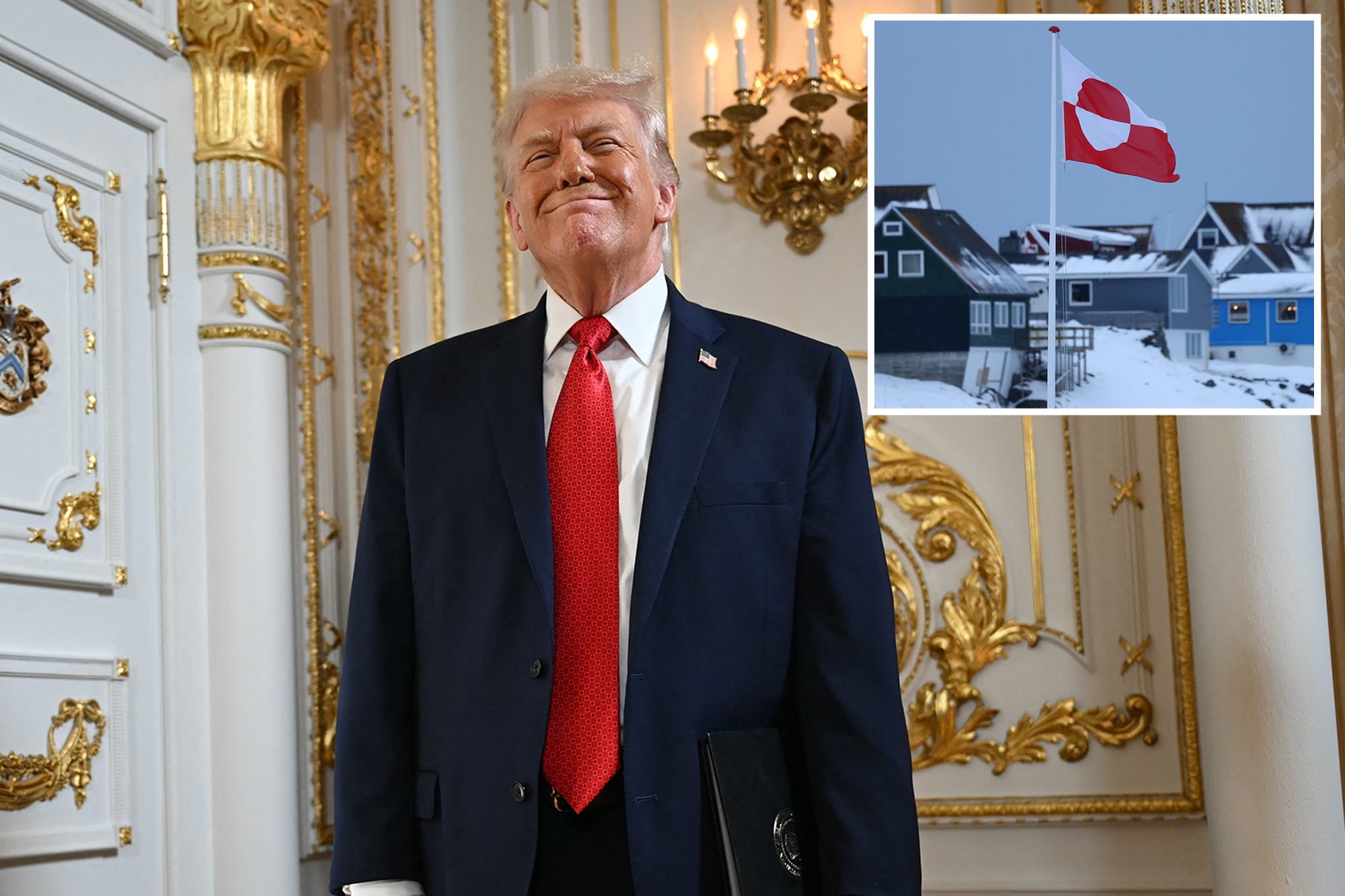
President Donald J. Trump has escalated his efforts to acquire Greenland by leveraging U.S. trade policies, threatening a new 10% tariff on key allies until an agreement for the territory’s purchase is finalized. This development follows a series of meetings between U.S. representatives, Denmark, and local authorities in Greenland aimed at enhancing security on the island.
In a post on Truth Social, Trump criticized several countries, including Denmark, Norway, Sweden, France, Germany, and the United Kingdom, for dispatching troops to Greenland for purposes he deemed unclear. He expressed concerns about their military presence, suggesting that only the United States possesses the capability to handle the situation effectively. Trump’s comments included a mockery of Greenland’s defense strategy, implying it is inadequate.
Beginning on February 1, 2024, Trump announced that the aforementioned nations would incur a 10% tariff on all goods exported to the United States until a deal for the “complete and total purchase” of Greenland is achieved. He further indicated that if negotiations do not yield a satisfactory outcome by June 1, 2024, the tariff would increase to 25%.
This approach reflects Trump’s long-standing interest in Greenland, which he previously attempted to purchase during his presidency in 2019. At that time, the proposal was met with widespread criticism and was viewed as unrealistic by many international observers.
The potential acquisition of Greenland has significant geopolitical implications, given its strategic location and natural resources. The island, part of the Kingdom of Denmark, has garnered attention not only from the United States but also from other nations interested in its vast mineral deposits and potential shipping routes.
As Trump continues to push for a deal, the reactions from Denmark and other involved countries remain to be seen. The economic ramifications of his tariff threats could strain relationships with key trading partners, particularly if they choose to retaliate.
The situation surrounding Greenland underscores the complexities of international diplomacy, as economic interests intersect with national security concerns. As negotiations unfold, the stakes for both the U.S. and its allies will likely become clearer.