








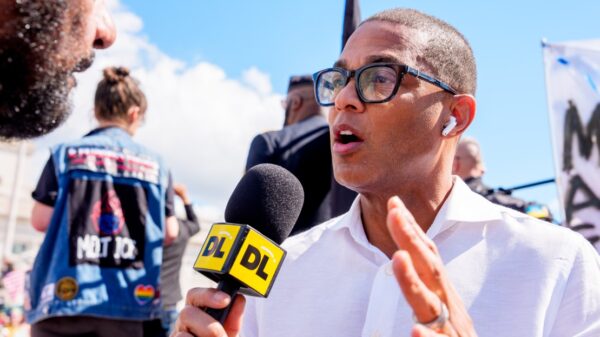



















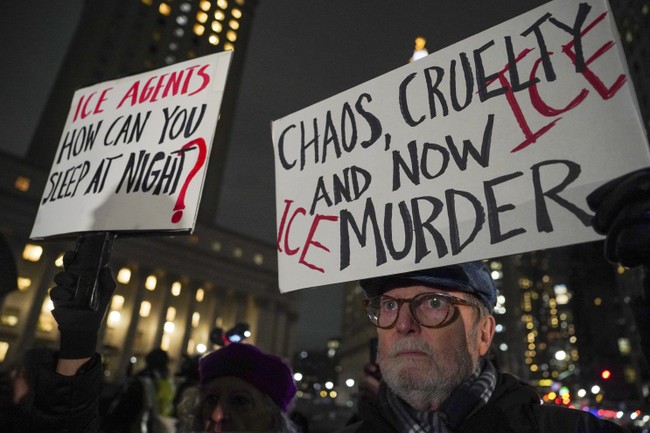
Protests erupted in New York City on March 6, 2024, following the shooting of a female driver by an Immigration and Customs Enforcement (ICE) agent in Minneapolis. Demonstrators gathered to express their outrage, leading to chants that called for violence against federal officials, including Homeland Security Secretary Kristi Noem and ICE agents. The event has sparked significant controversy and debate regarding the rhetoric used by protesters.
The demonstration, described as “peaceful” by some, quickly escalated as protesters shouted slogans advocating for the execution of ICE agents. Video footage shared online showed individuals chanting phrases such as “Kristi Noem will hang” and “Save a life, kill an ICE agent.” While some participants expressed their anger, others attempted to voice dissenting opinions. One woman pleaded for a more civil discourse, stating, “two wrongs don’t make a right,” but her voice was drowned out by the collective calls for violence.
Critics of the protest have characterized the atmosphere as chaotic and orchestrated, questioning the motivations behind such extreme expressions of anger. Observers noted that many protesters appeared undeterred by the implications of their demands, suggesting a willingness to embrace political violence as a means of achieving their goals. The response from local officials, particularly newly elected New York City Mayor Zohran Mamdani, remains to be seen, with some speculating whether he would publicly condemn the rhetoric displayed during the protest.
In the aftermath of the demonstration, discussions surrounding the implications of such protests have intensified. Some commentators argue that the protests signify a troubling trend in political discourse, where extreme measures are endorsed. Posters circulated at the event claimed that “life and liberty are not possible” amid what they described as a “hate-filled” movement. The divide among participants and observers highlights the complexities of public sentiment regarding immigration enforcement and the role of federal agencies.
As the nation grapples with ongoing immigration debates and the actions of federal law enforcement, the events in New York City serve as a potent reminder of the tensions within American society. The protest reflects broader frustrations that many feel about government policies and enforcement practices, but the methods of expression have raised concerns about the normalization of violent rhetoric in political discourse.
The protests illustrate a larger issue of how communities engage with law enforcement and express dissent. While many advocate for reform and change, the line between peaceful protest and incitement to violence remains a contentious topic. Observers continue to monitor the reactions from public officials and the broader implications for political activism in the United States.
As this situation develops, the conversation around how to address deep-seated grievances without resorting to violence will likely persist, prompting further dialogue on the future of political expression and the responsibilities of those in power.