
































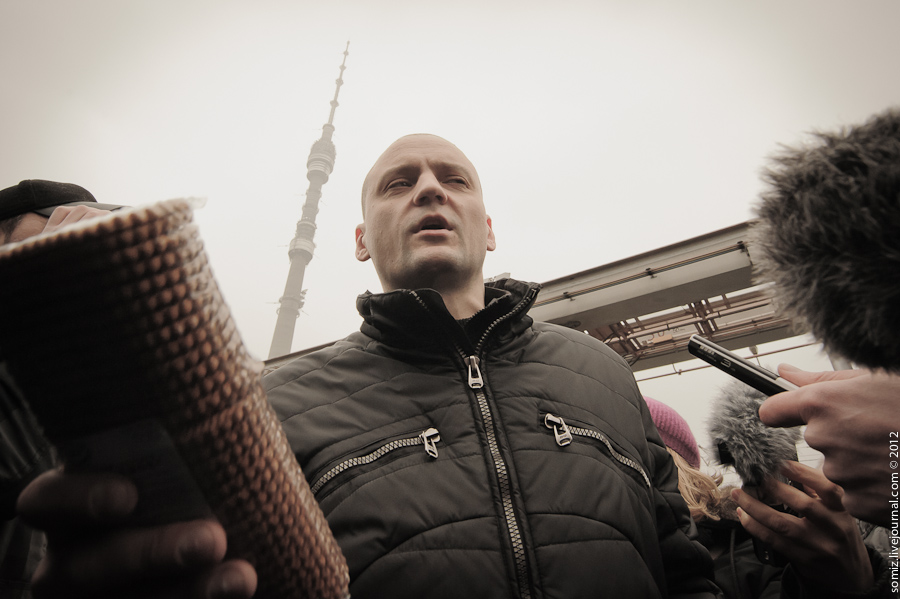
UPDATE: A Moscow court has just sentenced prominent pro-war activist and vocal critic of Vladimir Putin, Sergei Udaltsov, to six years in a maximum-security prison. The 2nd Western District Military Court delivered this ruling on Thursday, convicting Udaltsov for justifying terrorism in an article he wrote over two years ago.
Udaltsov’s conviction stems from his defense of five Marxist activists in Ufa, who were accused of forming a terrorist organization following a police raid in March 2022. This case underscores the alarming limits on free speech in Russia, as Udaltsov faces severe punishment for his written commentary rather than any violent actions.
The ruling highlights a troubling trend in Russia, where expressions critical of law enforcement and judicial decisions can lead to harsh penalties. Critics argue that the ongoing war with Ukraine has enabled the government to suppress dissent without accountability. President Putin, labeled a “murderous dictator” by U.S. President Joe Biden, continues his military campaign abroad while dissenters like Udaltsov are silenced domestically.
Udaltsov, a leading figure in the 2011–2012 Bolotnaya Square protests, has been known for his political writings, often expressing nuanced views on Russia’s foreign policy, including the conflict in Ukraine. His sentencing raises crucial questions about why some individuals remain shielded from accountability while others are punished for mere expression.
With this ruling, authorities send a clear message to potential critics of the regime: dissent will not be tolerated, and the consequences can be severe. As the political landscape in Russia continues to evolve under the pressures of war and repression, the implications of Udaltsov’s case resonate deeply within the fabric of Russian civil society.
What happens next? Observers will be closely monitoring the reactions from international human rights organizations and the public. Further developments are anticipated as the world watches how the Kremlin addresses dissent and criticism in its ongoing efforts to control the narrative amid a turbulent political climate.