






































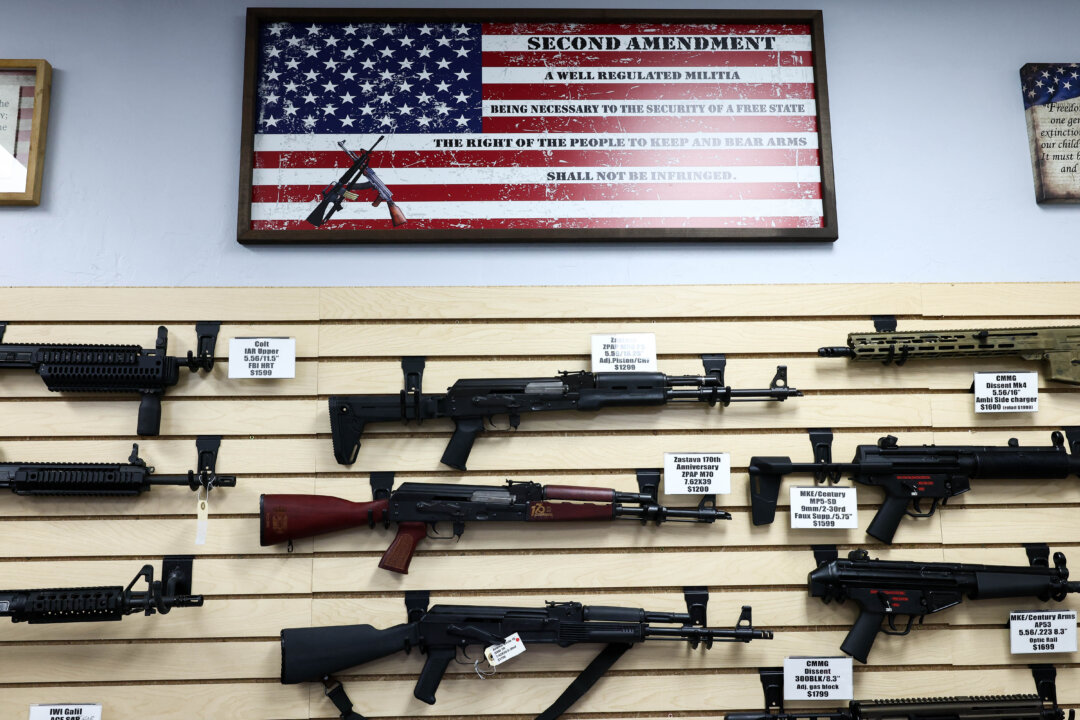
The year 2025 marked a significant chapter in the ongoing debate surrounding gun rights and gun control in the United States. Activists from both sides of the argument engaged in a series of legal and legislative battles, leading to heightened discussions about the Second Amendment and its implications for American society.
Gun rights advocates celebrated the policies put forth by former President Donald Trump, which they believe furthered their cause. Despite this support, some critics argue that the Department of Justice, under the Trump administration, has conveyed conflicting messages regarding the right to keep and bear arms. This ambiguity has prompted concerns among gun rights supporters about the consistency of government policies.
On the other side of the spectrum, proponents of gun control expressed disappointment over the stagnation of key elements of President Joe Biden‘s legislative agenda aimed at reducing gun violence. Even so, these advocates have reported successes in certain states traditionally viewed as “gun-friendly.” This shift in some state legislatures reflects a growing momentum for gun control measures, despite the broader national landscape.
Legal Challenges and Legislative Actions
The courts have been inundated with lawsuits challenging various laws enacted in response to the landmark decision in June 2022, following the U.S. Supreme Court ruling in New York State Rifle and Pistol Association v. Bruen. In this pivotal case, the Supreme Court asserted that gun laws must align with historical precedents and affirmed that Americans possess the right to carry firearms for self-defense purposes.
As a result of the Bruen decision, many states have sought to revise their gun regulations to comply with the new legal framework. This has led to an influx of litigation, as various interest groups contest the legality and constitutionality of these revised laws. Gun rights activists argue that many of these regulations infringe upon their constitutional rights, while gun control advocates maintain that stricter laws are necessary to ensure public safety.
In response to the expanding legal landscape, state legislatures are actively debating and passing new measures. Some states have introduced laws aimed at expanding background checks, implementing waiting periods, and restricting access to certain types of firearms. Meanwhile, other states have bolstered their gun rights protections, reflecting the divided opinion among residents and lawmakers.
Future Implications
Looking ahead, the debates surrounding gun rights and gun control are poised to continue shaping American society. The complex relationship between state and federal regulations, coupled with ongoing legal battles, will likely influence the trajectory of gun policy in the United States for years to come.
As both sides of the gun debate mobilize their efforts, the future will depend on the outcomes of key legal challenges and the political landscape leading into the next election cycle. The evolving nature of this contentious issue underscores its significance in American political discourse, as citizens and lawmakers navigate the delicate balance between safety and constitutional rights.
The developments of 2025 have set the stage for a heightened engagement on both sides, suggesting that this debate will remain a focal point in American society.