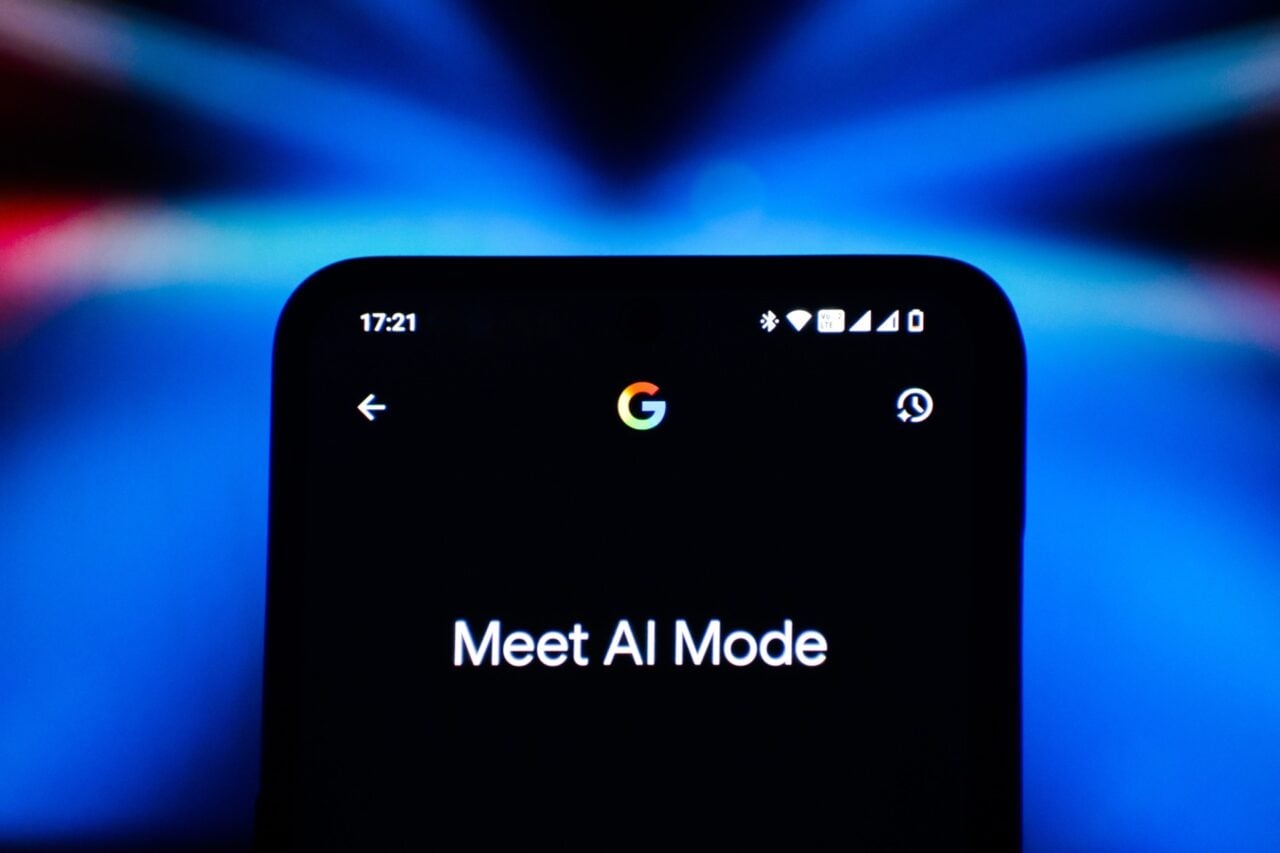
BREAKING: Google is set to revolutionize your online experience with a bold plan for hyper-personalized AI interactions. The tech giant’s VP of product for Search, Robby Stein, revealed on the Limitless podcast that users increasingly seek personalized advice rather than generic information. “They want to know where to eat for dinner, where to travel with their family,” Stein stated, underscoring the urgency for Google to adapt its AI technology to better understand individual preferences.
This shift comes as the competition heats up in the AI space, especially after a recent antitrust ruling that acknowledged AI’s potential to challenge Google’s market dominance. With the rollout of its new AI model, Gemini, Google is integrating this technology across its entire ecosystem, from Gmail and Google Maps to YouTube and WhatsApp. This integration aims to create an ongoing conversation with users, tracking their preferences and needs in real time.
Imagine this: you’re searching for a couch, and over time, your AI learns your style preferences. One day, it alerts you to a perfect sale. Stein envisions a future where your interactions with Google aren’t limited to specific searches but evolve into a continuous dialogue, making your online experience seamless and tailored.
In September 2023, Google launched a new Chrome browser that features Gemini integration, including an AI capable of navigating the web and completing tasks on your behalf. This development emphasizes the company’s commitment to enhancing user experience through AI.
However, this hyper-personalization raises significant privacy concerns. As AI systems become more adept at understanding individual users, the risk of data breaches and misuse grows. Sam Altman, CEO of OpenAI, echoed these concerns, stating, “You can’t trust AI with this information the way you could trust a fellow human.” He cautioned that when users share sensitive information, such as healthcare issues, they must be wary of its future implications.
The implications of Google’s AI strategy extend beyond just user experience; they could reshape the entire digital advertising landscape. Stein confirmed that Google is already experimenting with AI-enhanced targeted ads, a response to Meta’s recent advancements in this area. As Google continues to innovate, the potential for personalized advertising is vast, influencing how users encounter products and services online.
This strategic pivot is not just about improving search functions; it represents a major shift in how we interact with technology. As Google’s products serve as gateways to the internet, the company’s AI advancements will likely dictate the digital landscape for years to come.
As Google rolls out these changes, users must remain vigilant about their data privacy. The promise of an easier life through hyper-personalization brings with it a responsibility to safeguard personal information. It’s an urgent call to action for both consumers and tech firms to navigate this evolving terrain cautiously.
Stay tuned for further updates as Google continues to redefine the future of online interactions. The company’s efforts to enhance personalization could either enrich our lives or pose significant challenges—only time will reveal the true impact.