




































As of January 17, 2024, the Moon is in the Waning Crescent phase, displaying only a slight illumination. According to NASA’s Daily Moon Guide, just 2% of the Moon’s surface is visible from Earth tonight. This minimal light indicates that the New Moon, when the Moon appears completely dark, is approaching.
Understanding the lunar cycle is essential to grasping how these phases occur. The cycle lasts approximately 29.5 days, during which the Moon orbits Earth and transitions through eight distinct phases. As the Moon orbits, it continuously reflects varying amounts of sunlight, leading to its observable changes.
Upcoming Lunar Events
Following the Waning Crescent, the next significant event in the lunar calendar will be the New Moon, occurring on January 25, 2024. This phase will be characterized by its complete darkness, making it invisible to observers on Earth. Notably, the subsequent Full Moon is scheduled for February 1, 2024, following the last Full Moon which took place on January 3, 2024.
The eight phases of the lunar cycle are:
1. **New Moon** – The Moon is positioned between Earth and the Sun, resulting in its dark appearance.
2. **Waxing Crescent** – A small crescent of light becomes visible on the right side.
3. **First Quarter** – Half of the Moon is illuminated, resembling a half-Moon.
4. **Waxing Gibbous** – More than half of the Moon is lit but it is not yet full.
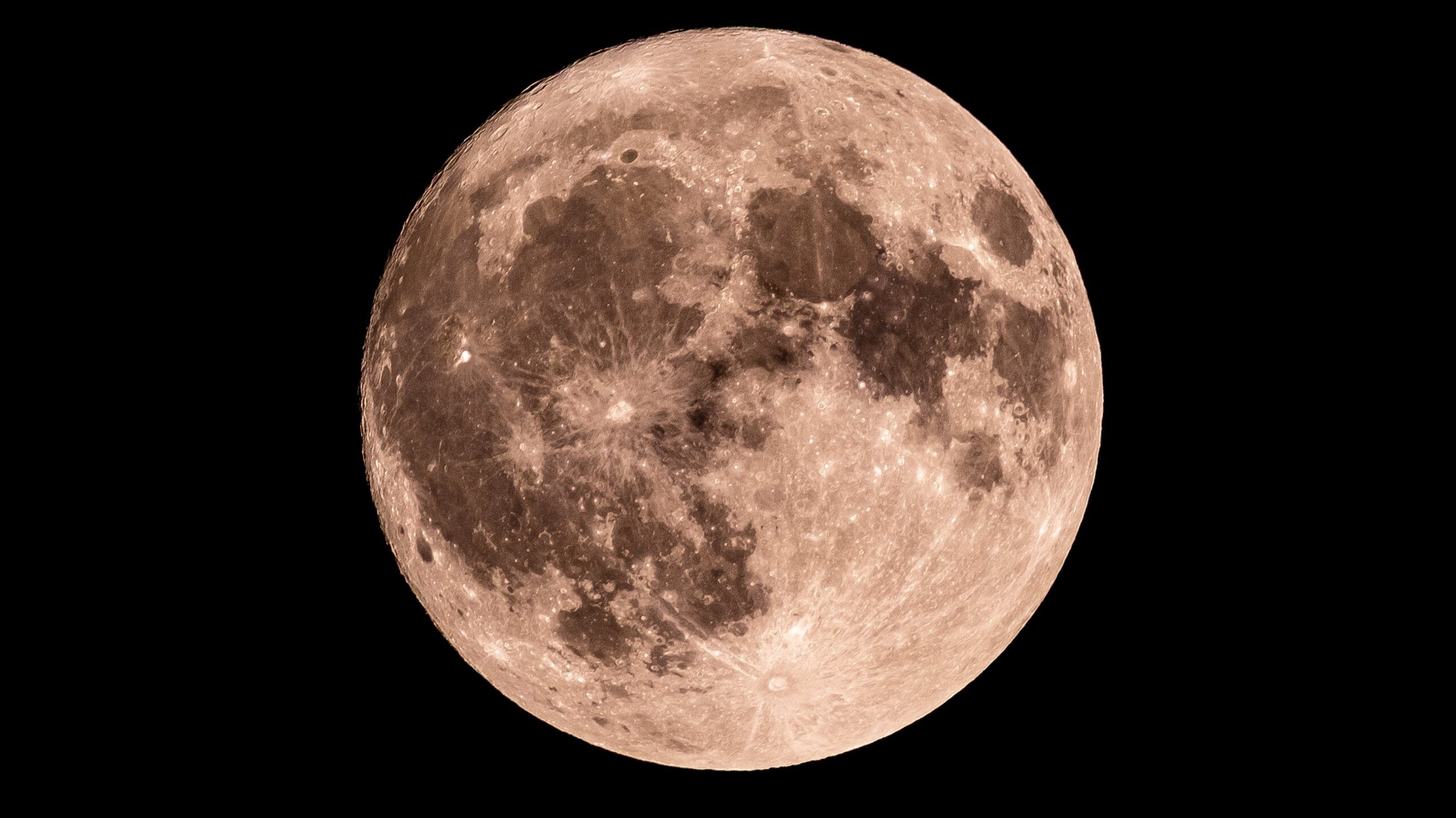
5. **Full Moon** – The entire face of the Moon is illuminated and fully visible.
6. **Waning Gibbous** – The Moon begins to lose light, starting from the right side.
7. **Third Quarter (or Last Quarter)** – Again, half of the Moon is visible, but now the left side is illuminated.
8. **Waning Crescent** – A thin sliver of light remains on the left side before it goes dark again.
Understanding Moon Visibility
The visibility of the Moon is determined by its position relative to the Earth and the Sun. As the Moon orbits, the side facing Earth is illuminated by sunlight, creating the phases we observe. This phenomenon occurs consistently, allowing astronomers and enthusiasts alike to predict and appreciate the beauty of our closest celestial neighbor.
With the Waning Crescent phase upon us, stargazers may find it challenging to see the Moon tonight due to the low visibility. However, this phase serves as a reminder of the cyclical nature of the lunar cycle and the beauty that lies ahead in the coming weeks, including the much-anticipated Full Moon.