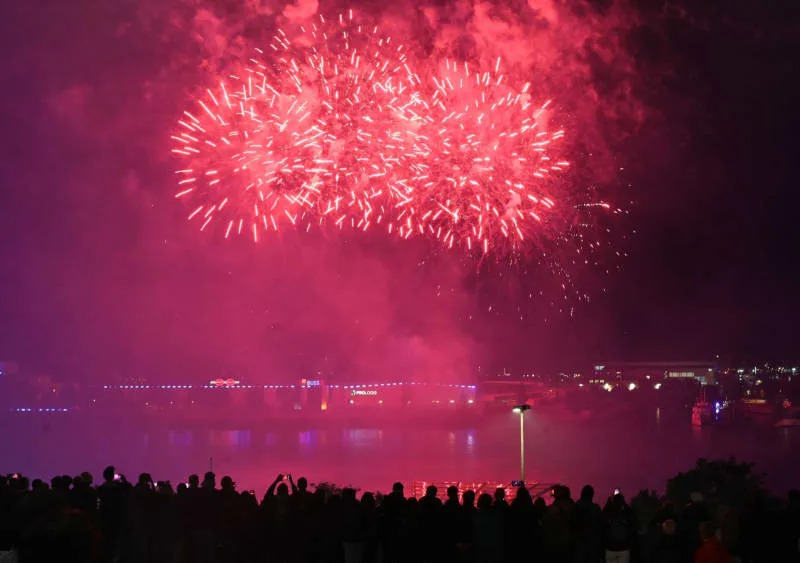
Demand for fireworks in Germany is on the rise this year, with data indicating an increase of approximately 10% in the availability of rockets, firecrackers, and other pyrotechnics compared to 2022. This surge comes amid ongoing criticism from environmental and animal welfare advocates, who have been calling for stricter regulations on fireworks usage during New Year’s celebrations.
Germany’s largest fireworks manufacturer, WECO, reported that the volume of fireworks available in shops has grown, with rival company COMET also noting a moderate increase in supply. The German Association of the Pyrotechnics Industry anticipates that this trend will continue, leading to higher availability across the sector. Consumers can purchase fireworks in Germany from December 29 to 31, with unsold items typically returned to manufacturers. WECO noted a lower-than-expected return rate last year, further indicating increased consumer demand.
With a workforce of around 260 at its facilities in Eitorf and Kiel, WECO remains the largest fireworks manufacturer still operating in Germany, producing only 15% of its sales domestically. The company’s turnover for the 2023-24 book year exceeded €136 million (approximately $160 million). The remainder of its products is imported, predominantly from China, which is the primary source for many sellers in the industry.
Public Sentiment and Safety Concerns
Despite the growing demand for fireworks, there is significant opposition from various groups within Germany. Animal welfare advocates argue that the loud noises produced by fireworks can cause distress to wildlife, particularly birds, leading them to expend vital energy reserves needed for winter survival. In urban areas like Berlin, New Year’s Eve celebrations are often likened to scenes from a war zone due to the volume of fireworks being set off.
Furthermore, environmentalists express concerns about the waste generated from fireworks, labeling it as an unnecessary resource expenditure. The GdP police union has echoed these sentiments, citing a rise in attacks on police officers using fireworks as weapons during celebrations.
The interior ministers of Germany’s 16 states have faced challenges in reaching a consensus on regulating or banning fireworks. Recently, a court overturned a prohibition on private fireworks displays on the North Sea island of Föhr, reflecting the complexities surrounding this issue.
Industry Perspective and Future Outlook
In response to the criticism, WECO‘s head of sales, Oliver Gerstmeier, emphasized that the popularity of fireworks demonstrates a desire among the majority for traditional New Year’s celebrations. “Ringing in the New Year with a colourful firework is a beautiful thing for many people. One should respect that instead of discrediting it with repeated debates on a ban,” he stated.
The fireworks industry views pyrotechnics as an essential component of New Year’s festivities in Germany. According to industry representatives, the negative impact attributed to fireworks is primarily caused by a small number of individuals engaging in reckless behavior. The growing demand for fireworks indicates that, despite the calls for restrictions, a significant portion of the population still wishes to see fireworks lighting up the night sky as they welcome the New Year.
As the debate continues, it remains to be seen how policymakers will balance public safety concerns with the cultural significance of fireworks in German celebrations.