








































Modern smartwatches have evolved into sophisticated devices that offer much more than just timekeeping. With features like voice assistants, crash detection, and extensive health tracking capabilities, these gadgets have become essential companions for many. Recently, ZDNET outlined its rigorous evaluation process for smartwatches, detailing how they assess functionality, durability, and overall performance.
Testing Methodology at ZDNET
ZDNET typically purchases smartwatches after their public release, allowing ample time for thorough evaluation. Each device undergoes a minimum of two weeks of continuous wear to accurately assess battery life, health tracking, GPS accuracy, and overall design. The team often communicates with various smartwatch manufacturers to clarify specifications and performance during the evaluation process.
While ZDNET tests a selection of third-party applications, the sheer volume of available apps means user experiences may differ. The performance of smartwatches is influenced by numerous factors, including wrist size, smartphone compatibility, and cellular reception quality. The testing is conducted with a focus on larger wrist sizes and common smartphone models to provide a balanced perspective.
Core Evaluation Criteria
The primary criteria for ZDNET’s recommendations are core functionality, build quality, health tracking features, applications, and advanced functionalities. Price and battery life are considered secondary, as most smartwatches require charging every day or two. Typically ranging from $300 to $500, the price point does not heavily influence the assessment.
Core functionality is paramount; a smartwatch must reliably display the time and notifications without causing frustration. ZDNET evaluates the customization options available through watch faces and complications, which enhance user engagement. Furthermore, the ability to respond to notifications via voice-to-text has significantly improved, contributing to a seamless user experience.
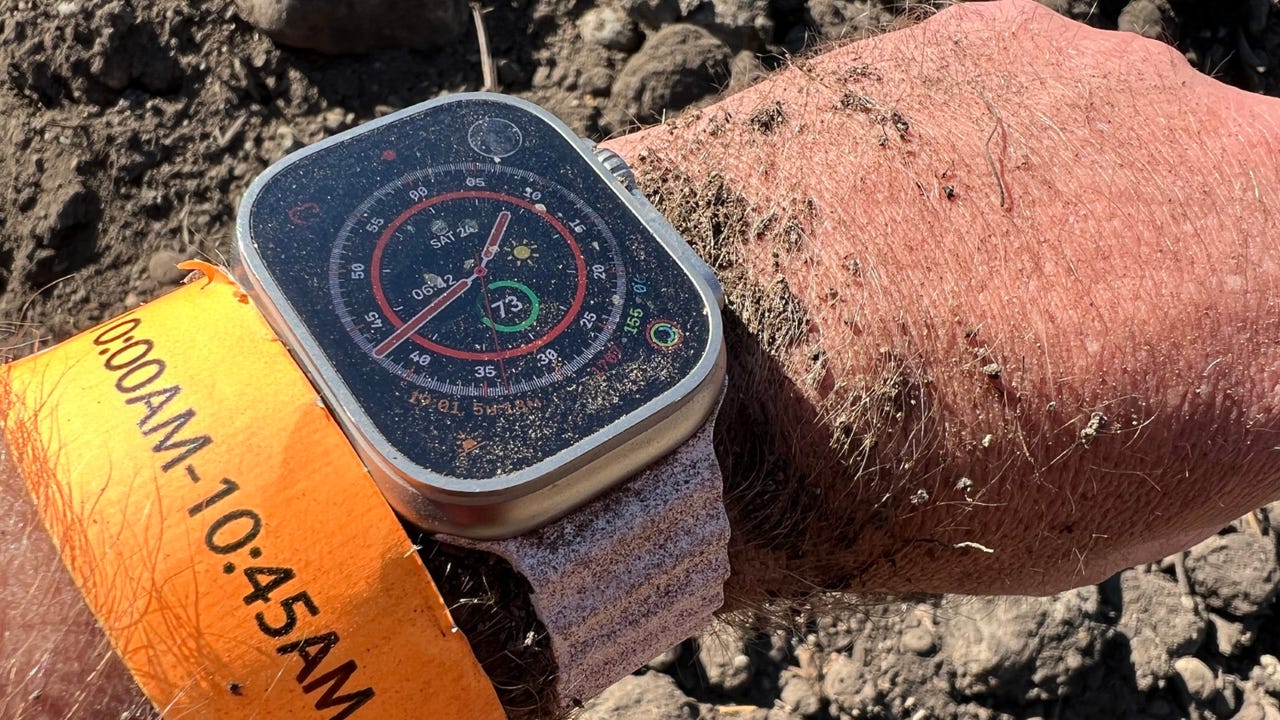
Build quality and durability are also vital. Most smartwatches today are designed with water resistance and scratch-resistant glass, ensuring they withstand various conditions. ZDNET tests these features by wearing the devices during physical activities and adverse weather, documenting any wear and tear.
Health and wellness tracking represents one of the most significant advancements in smartwatch technology. Companies like Apple and Samsung have integrated features that rival dedicated health devices. For instance, Apple has introduced new capabilities in its latest watchOS, while Google’s Fitbit Premium service enhances user experience with AI-driven coaching.
The applications available on smartwatches have expanded considerably. ZDNET assesses a core set of popular applications, comparing performance across different devices. Although Apple currently leads in terms of application variety and functionality, Google’s Wear OS continues to develop and improve its offerings.
Lastly, ZDNET examines advanced features that distinguish a smartwatch from its competitors. Innovations such as satellite support for emergency services have emerged, alongside functionalities like incident detection and navigation assistance. These features are constantly evolving, indicating a promising future for smartwatch technology.
As smartwatches continue to gain popularity, ZDNET’s detailed testing methodology provides valuable insights for consumers looking to make informed purchasing decisions. With ongoing advancements in technology, the landscape of wearable devices is set to expand, offering even more functionalities to users in the coming years.