





















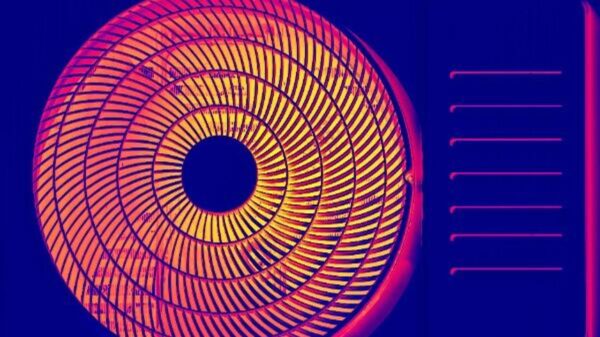















The adoption of heat pumps has surged in recent years, with homeowners increasingly considering them as a viable long-term investment. By 2026, many are expected to invest in these systems, driven by rising energy costs and the desire for more efficient heating solutions.
According to independent research firm Habitelligence, the share of electric heat pumps among total heating systems has more than doubled over the past 15 years. This significant increase reflects broader trends in energy consumption and consumer preferences.
Homeowners face a tough decision when it comes to replacing or repairing heating systems, often waiting until a system fails before taking action. This reactive approach can limit their investment choices, which is particularly concerning given the substantial costs involved in installing a heat pump, typically ranging from $25,000 to $40,000. With an expected lifespan of 15-20 years, careful planning and research are essential to ensure a good return on investment.
Many homeowners are recognizing the numerous benefits of heat pumps. Here are five compelling reasons why investing in a heat pump may be worthwhile:
1. Lower Total Energy Costs
Switching from a traditional furnace to a heat pump can significantly reduce gas consumption. While electric bills may rise, particularly in colder months, homeowners often find that their overall energy costs decrease. This reduction can be substantial, depending on local rates and the efficiency of home insulation.
2. Simplified Systems
Heat pumps serve a dual purpose: they provide both heating and cooling. By extracting heat from indoor air in winter and releasing it outside, or pulling heat from the outside air in summer, they streamline home climate control. This integration reduces the need for multiple systems and simplifies maintenance.
3. Enhanced Efficiency
Heat pumps operate differently from traditional heating systems. Instead of generating heat through combustion, they move existing heat, which is far more efficient. This method results in lower energy consumption, making heat pumps a cost-effective choice in the long run, particularly as energy prices fluctuate.
4. Reliability and Performance
While all HVAC systems require maintenance, heat pumps typically demand less upkeep compared to combustion systems. Their variable-speed operation not only reduces noise but also minimizes temperature fluctuations throughout the home, enhancing comfort.
5. Safety and Environmental Impact
Heat pumps produce no on-site emissions and eliminate the risks associated with combustion, such as carbon monoxide leaks. This feature makes them a safer choice for households while also contributing to a lower carbon footprint.
The rise of geothermal heat pumps is particularly noteworthy. While these systems often require a higher initial investment than air-source heat pumps, they are gaining traction even in colder climates. Geothermal systems leverage the earth’s stable temperatures to provide efficient heating and cooling, reducing energy usage and costs.
Nuella, a homeowner from New York, shared her experience after switching to a geothermal system. “Since switching to geothermal, our energy costs have dropped by about 30 to 35%, and the wild seasonal swings disappeared. The house just stays steady and comfortable all year,” she said.
As homeowners become more aware of the benefits and potential savings associated with heat pumps, the trend towards electrification in heating systems is likely to continue. The combination of lower emissions, enhanced comfort, and long-term savings makes heat pumps an appealing option for many looking to invest in their homes by 2026.