


































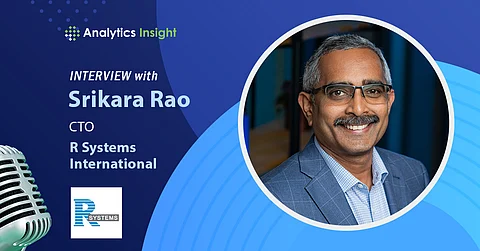
Global Capability Centres (GCCs) are undergoing a significant transformation, shifting from traditional cost-saving roles to becoming strategic drivers of innovation. This evolution is fueled by the integration of artificial intelligence (AI) and advanced technologies, which are enabling organizations to enhance efficiency and create sustainable value. In a recent episode of the Analytics Insight podcast, host Priya Dialani spoke with Srikara Rao, Chief Technology Officer of R Systems International, about the changing landscape of GCCs and their potential to deliver impactful business outcomes.
Understanding the Role of R Systems International
During the discussion, Srikara provided an insightful overview of R Systems International, emphasizing its leadership in product engineering. Approximately 75% of the company’s operations focus on developing platforms and outcome-based solutions tailored for clients. The remaining 25% encompasses various IT services, including cloud computing, data management, digital solutions, and cybersecurity. With a workforce exceeding 5,000 employees and a presence across the Americas, Europe, and Asia Pacific, R Systems has established itself as a reliable provider of expertise in cloud technologies, data analytics, and quality engineering.
Srikara reflected on his career, which has consistently revolved around fostering innovation in collaboration with Chief Information Officers (CIOs) and Chief Technology Officers (CTOs). He highlighted the transformative power of AI in leveraging decades of archived data, improving operational efficiency, and enhancing user experiences in various sectors, from airport logistics to retail and manufacturing.
AI and Talent: Redefining GCCs
According to Srikara, GCCs are evolving into innovation hubs where teams possess a thorough understanding of business processes and leverage AI to develop effective solutions. He discussed the implementation of a rotational model, which allows engineers to acquire cross-functional knowledge. This approach not only enhances their ability to integrate systems but also fosters a culture of innovation within organizations. AI tools play a crucial role in augmenting human capabilities, enabling managers to concentrate on achieving tangible business results.
The conversation also touched on real-world applications of AI, including advancements in pharmaceutical development, telecommunications cloud integration, and healthcare automation. Srikara underscored that GCCs are increasingly prioritizing sustainability, implementing initiatives aimed at energy-efficient operations and responsible product practices. This commitment ensures that innovation is aligned with ethical standards and long-term positive impacts.
Looking ahead, Srikara Rao expressed optimism about the future of GCCs, asserting that these centers are poised to become true engines of innovation. By blending AI, advanced technologies, and sustainable practices, GCCs can transform businesses and enhance value creation. He emphasized the importance of maintaining responsibility, ensuring that the efforts of these centers not only improve operational efficiencies but also contribute to enriching the experiences of end-users on a global scale.