




































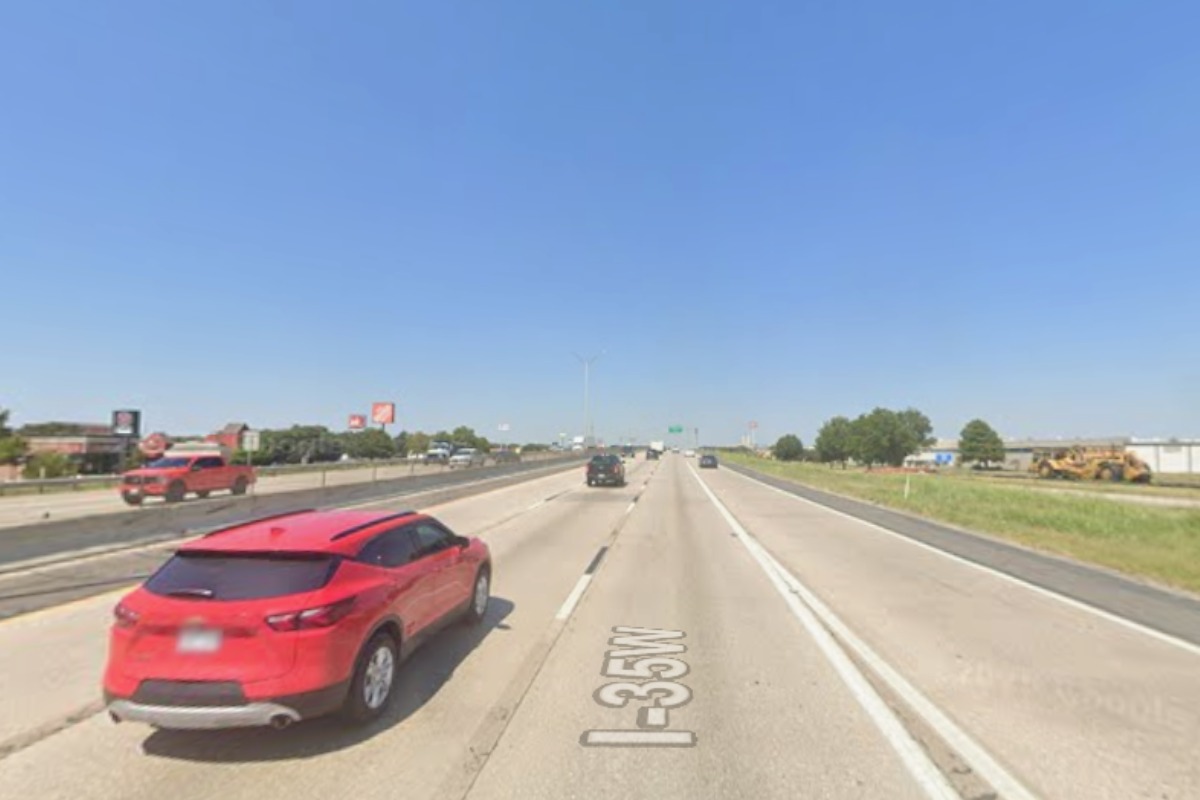
North Texas drivers are encountering a new safety feature on I‐35W just north of downtown Fort Worth: digital speed-limit signs that can adjust based on traffic and weather conditions. The Texas Department of Transportation (TxDOT) is deploying these variable speed-limit signs throughout the state to enhance road safety.
These electronic displays allow engineers to lower the speed limit temporarily—typically by no more than 10 mph—in response to accidents, construction, heavy traffic, or adverse weather. The adjustments can be made remotely and are often accompanied by mobile message boards that provide drivers with an explanation for the change.
TxDOT has begun installing these new signs along I‐35W as part of a larger initiative. According to the Fort Worth Star-Telegram, the boards will indicate the temporary speed limit for specific highway sections, with updates managed from a central traffic operations center.
Legislative Backing for Speed Limit Changes
The implementation of these variable speed limits is supported by House Bill 1885, which took effect in 2023. This legislation empowers local TxDOT engineers to establish temporary speed limits without needing prior approval from the statewide transportation commission. The law stipulates that altered speed limits are only effective when posted and that reductions must not exceed 10 mph below the standard limit, as reported by The Texas Tribune.
Before statewide deployment, TxDOT conducted pilot tests beginning in 2014 at various sites, including Temple, San Antonio, and Eastland County. The Texas A&M Transportation Institute evaluated these trials, confirming safety benefits and favorable cost-to-benefit ratios while identifying the need for permanent sign structures and reliable technology.
Impact of the 2021 I‐35W Pileup
A significant catalyst for this initiative was the tragic 133-vehicle pileup on I‐35W in February 2021, which resulted in six fatalities. Federal investigators identified maintenance issues and speeding as contributing factors. The Dallas Morning News highlighted recommendations for improved safety measures, including the installation of sensors and variable speed limits.
When activated, the speed limit will be visible on overhead or roadside digital signs, often alongside message boards that explain the reasons for the adjustments. Permanent signs can be updated remotely, while portable signs may be used in short-term work zones to enhance the system’s reach.
The TxDOT El Paso District marked a milestone by activating Texas’s first full variable speed-limit segment on US 54 in late 2024. Local officials view this project as a successful model for broader deployment across Texas.
Enforcement and Reliability Considerations
Once posted, variable speed limits carry the same enforceability as traditional metal signs. Traffic safety experts emphasize that effective enforcement is necessary to ensure compliance. This can be achieved through clear messaging on the boards and a reliable sensor network.
National guidelines for active traffic management recommend combining enforcement with public outreach and dependable equipment. TxDOT has also emphasized the importance of testing algorithms in a non-active mode before launching, as well as preparing for potential equipment failures.
The rollout of these digital speed-limit signs will occur gradually, starting with corridors that data and previous pilot projects indicate will yield the most significant safety improvements. For drivers, this means being attentive to changing digital displays and adhering to the temporary limits while they are active, treating them as the legal speed for that segment of road.