







































Four astronauts have successfully returned to Earth after their mission at the International Space Station (ISS) was cut short due to a serious medical issue affecting one crew member. The astronauts, part of the Crew-11 mission, landed off the coast of California at approximately 3:41 a.m. EST on Thursday, following their undocking from the ISS earlier that day.
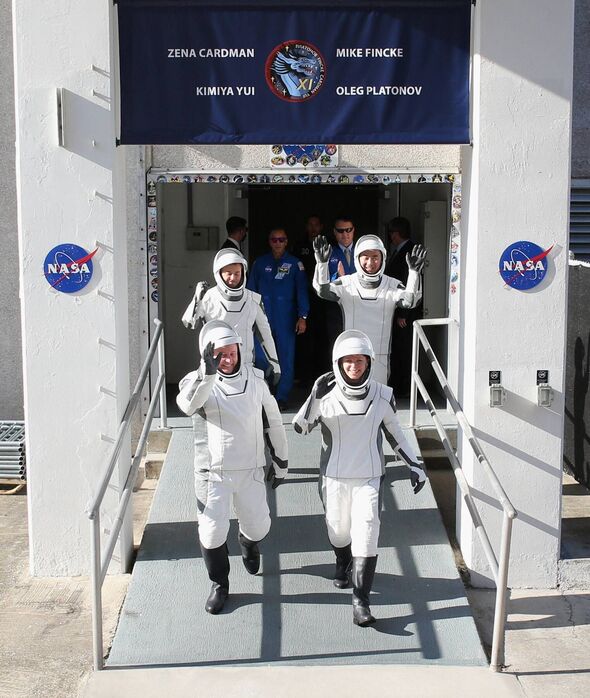
The crew, which included NASA astronauts Zena Cardman and Mike Fincke, Japan’s Kimiya Yui, and Russia’s Oleg Platonov, boarded the SpaceX Dragon Endeavour spacecraft and sealed the hatch at 3:29 p.m. EST. Shortly after, the International Space Station confirmed their preparations for undocking at 5:20 p.m. EST.
NASA made the unusual decision to end the mission ahead of schedule after the medical concern arose. Although the specific nature of the astronaut’s condition has not been disclosed due to confidentiality, officials have confirmed that the crew member is in stable condition. This incident has led to the cancellation of the first spacewalk of the year, originally planned for the crew.
Details of the Return Journey
The Crew-11 team arrived at the ISS in August, anticipating a mission duration of at least six months. The ISS is equipped with a modest medical inventory that includes roughly 200 medications and critical equipment such as ultrasound devices and defibrillators.
NASA Administrator Jared Isaacman expressed pride in the agency’s swift response to ensure the astronauts’ safety. He highlighted the rigorous health screenings that astronauts undergo prior to launch, making this evacuation particularly notable as it marks the first medical evacuation from the ISS in 25 years.
Both Fincke and Cardman were preparing to conduct a spacewalk to deploy additional solar arrays, aimed at boosting the station’s power capacity. For Fincke, this mission represented his fourth journey to the orbital outpost, while Yui was making his second trip. Cardman and Platonov were on their maiden spaceflights.
Three additional astronauts remain aboard the ISS, continuing their operations. These include NASA’s Chris Williams and Russian cosmonauts Sergei Mikaev and Sergei Kud-Sverchkov, who arrived in November and are scheduled for an eight-month mission. Their return is planned for summer.
The Crew-11 mission highlights the complexities and unexpected challenges of space exploration, where health emergencies can prompt significant operational adjustments. The successful return of these astronauts underscores the importance of safety protocols and the commitment of the international space community to safeguard those working in orbit.