


































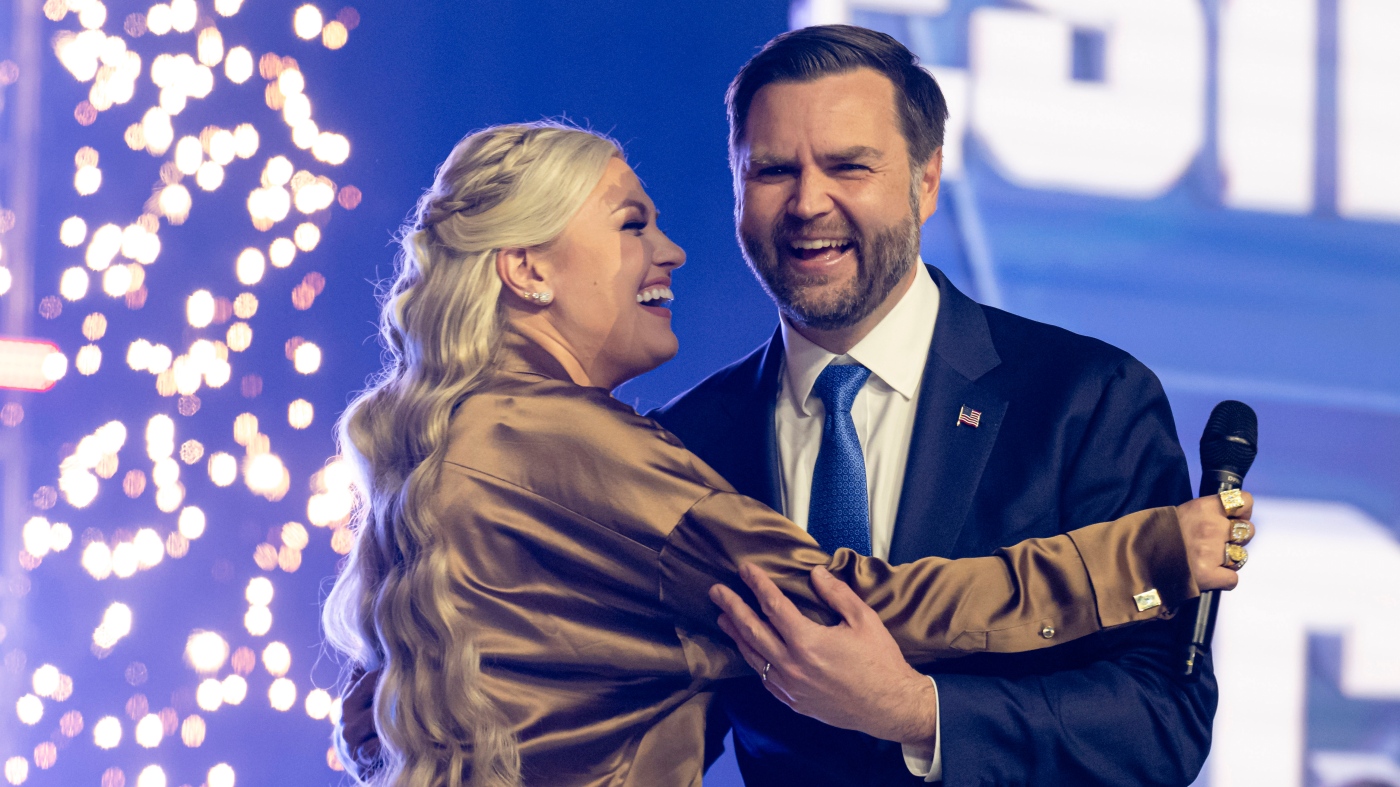
During the closing speech at the Turning Point USA convention in Phoenix on October 22, 2023, Vice President JD Vance asserted that the conservative movement should be inclusive, stating that anyone who “loves America” is welcome. His remarks come amid ongoing debates regarding antisemitism within the party, specifically concerning figures such as podcaster Nick Fuentes, who has stirred controversy with his views. Vance’s refusal to set “purity tests” for conservative inclusion highlights the divisions that are currently challenging the Republican Party.
Vance, who has been endorsed as a potential successor to former President Donald Trump by Turning Point leader Erika Kirk, emphasized that the movement should not exclude individuals based on their backgrounds or beliefs, provided they share a love for the country. “I didn’t bring a list of conservatives to denounce or to de-platform,” he stated, addressing the contentious atmosphere that marked the four-day gathering.
Divisions within the Conservative Movement
The convention has become a battleground for differing perspectives within the “Make America Great Again” movement as the Republican Party navigates a future that may not include Trump. With Trump constitutionally ineligible to seek re-election, questions loom about who will inherit his coalition. Tucker Carlson, a prominent conservative voice, remarked on the uncertainty surrounding the party’s direction, stating, “who gets the machinery when the president exits the scene?”
Arguments about antisemitism and the party’s identity dominated discussions, with notable figures like Ben Shapiro criticizing those who associate with extremist views. During his speech, Shapiro lambasted “charlatans” who misrepresent conservative principles, specifically calling out Carlson for featuring Fuentes on his podcast. Carlson dismissed Shapiro’s concerns, labeling the notion of a “Republican civil war” as “totally fake.” He insisted that Vance embodies the core principles of the Trump coalition, asserting that Vance is aligned with the idea of “America first.”
Turning Point spokesperson Andrew Kolvet defended the discourse as a vital aspect of democratic debate, asserting that the disagreements reflect a healthy process of finding consensus within the movement.
Vance’s Vision for the Future
In his speech, Vance acknowledged the controversies surrounding the conference but refrained from delineating strict boundaries for the conservative movement. “We don’t care if you’re white or black, rich or poor, young or old,” he said, reiterating a message of inclusivity. He remarked on the importance of focusing on more significant issues rather than engaging in mutual cancellations. He emphasized the administration’s accomplishments as it nears its first anniversary and highlighted efforts to end diversity, equity, and inclusion policies.
Vance’s comments resonated with attendees like Isaiah White-Diller, an 18-year-old from Yuma, Arizona, who expressed support for Vance’s potential presidential bid. “I have my right to be Christian here, I have my right to say whatever I want,” White-Diller stated.
While Vance has not publicly confirmed his intentions for a presidential run, Kirk expressed strong support for his candidacy, stating that Turning Point aims to see him elected as the 48th president of the United States. The organization boasts a robust volunteer network that could provide essential grassroots support in early primary states.
In an unexpected appearance, rapper Nicki Minaj voiced her admiration for both Trump and Vance, underscoring the diverse range of support Vance has garnered. Vance’s close relationship with Charlie Kirk, who was tragically assassinated earlier this year, adds a personal dimension to his political journey. Following Kirk’s death, Vance flew on Air Force Two to retrieve his remains, demonstrating a commitment to honoring his late friend.
Attendees like Emily Meck, 18, from Pine City, New York, appreciated Vance’s approach to fostering a variety of viewpoints within the movement. “We are free-thinkers, we’re going to have these disagreements,” she remarked.
As the Republican Party grapples with its identity and leadership in a post-Trump era, Vance’s inclusive stance may play a pivotal role in shaping the future of the conservative movement. His ability to navigate these controversies will be crucial as potential candidates prepare for an increasingly competitive political landscape.