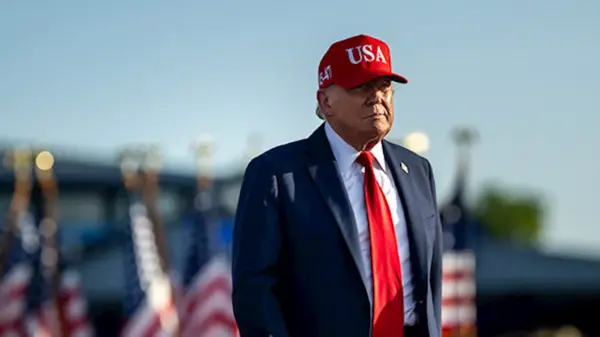

































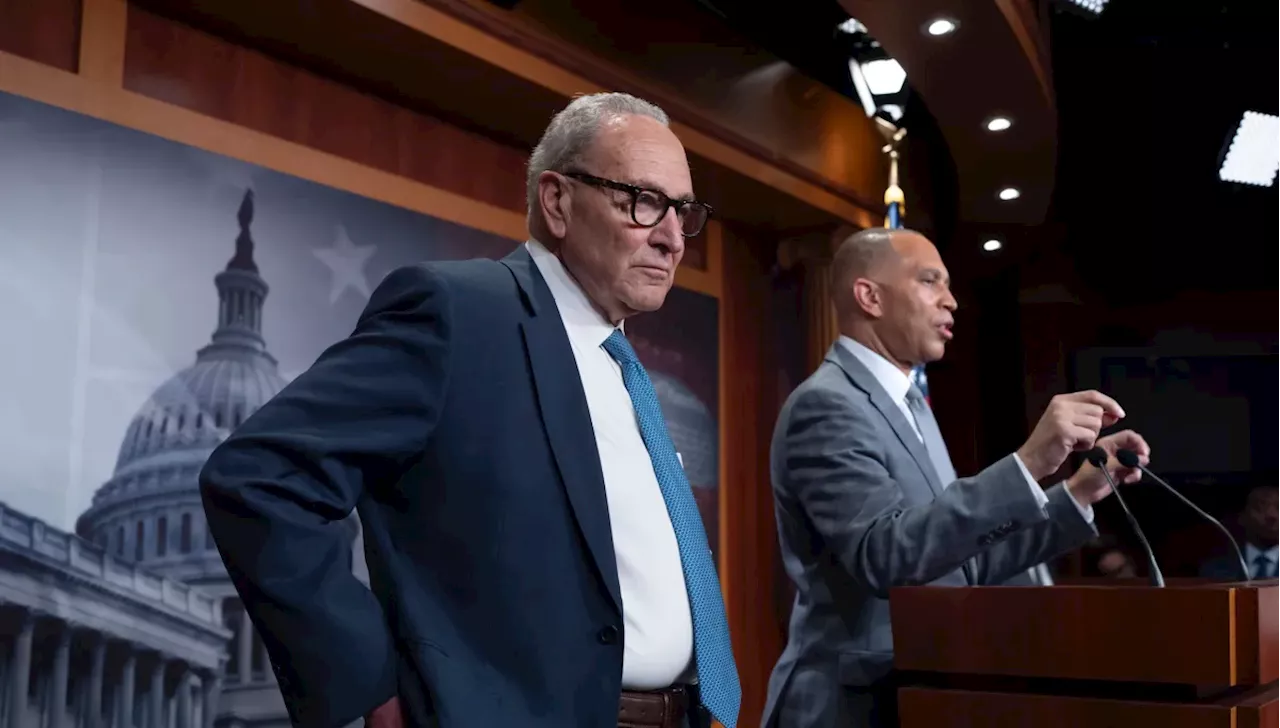
Senate Majority Leader Chuck Schumer is urging Republican lawmakers to reconsider their support for the military actions initiated by President Donald Trump in Venezuela. Schumer’s concerns center on the lack of congressional authorization and a clear strategy following the U.S. military operation that led to the arrest of Venezuelan leader Nicolás Maduro.
During statements made to the press, Schumer emphasized that while Maduro is widely recognized as an illegitimate dictator, launching military operations without prior congressional approval is “reckless.” He referenced discussions with several Republican committee chairs who have privately expressed unease regarding the administration’s approach. “We’re going to be pushing our Republican colleagues to stand up for the American people to get this done,” he remarked.
Congressional Response and Concerns
Schumer indicated that a resolution to address the military actions will be brought before the Senate for debate next week. He highlighted the importance of holding the executive branch accountable to Congress, stating, “Congress should not be sidelined as the Trump administration gets sucked into another nation-building quagmire.” He also noted that congressional leaders did not receive prior notification about the military operation, which he described as a “dark screen.”
In his remarks, Schumer reiterated the need for transparency from the Trump administration regarding its objectives in Venezuela. He stated that the so-called “Gang of Eight,” which includes top leaders from both parties in the Senate and House, has formally requested a briefing from the White House on the operation. “We want to know the administration’s objectives, its plans to prevent a humanitarian and geopolitical disaster,” he added.
While some Republican lawmakers have publicly supported the operation, leading figures within the GOP have voiced their concerns. For instance, Senate Majority Leader John Thune stated he looks forward to further briefings from the administration regarding the operation as part of a broader counternarcotics strategy.
Rep. Don Bacon, a member of the House Armed Services Committee, expressed apprehension that the U.S. actions could have wider implications, potentially enabling countries like Russia and China to justify their own military operations. “Freedom and rule of law were defended last night, but dictators will try to exploit this to rationalize their selfish objectives,” Bacon commented.
Legal Justifications and Implications
The administration has defended its actions by invoking Article II of the U.S. Constitution, which grants the president authority as commander-in-chief. Trump’s team has characterized the operation as a law enforcement initiative aimed at arresting Maduro, who faces serious allegations of narco-terrorism. These charges were detailed in an unsealed indictment from the U.S. Justice Department.
On the other hand, Senator Tom Cotton, chair of the Senate Intelligence Committee, supported the administration’s decision not to notify Congress prior to the operation, arguing that such notifications are not standard practice for law enforcement actions against criminal suspects in the U.S. “Congress isn’t notified when the FBI is going to arrest a drug trafficker or cybercriminal,” he said in a statement.
Despite these justifications, Schumer criticized the lack of communication from the White House, suggesting that it undermines the checks and balances established by the War Powers Act of 1973. He remarked, “It’s an excuse for secrecy,” and emphasized the importance of congressional debate before significant military actions.
As discussions unfold, Schumer’s call for accountability and transparency from the Trump administration reflects a broader concern about the implications of unilateral military action without legislative oversight. The forthcoming Senate debate promises to be a focal point for both parties as they navigate the complexities of U.S. foreign policy in the region.