





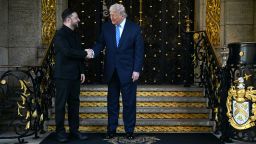





























Prime Minister Benjamin Netanyahu is set to meet with President Donald Trump at his Mar-a-Lago estate in Palm Beach, Florida, on Monday, October 23, 2023. The discussions will focus on Israel’s security concerns, particularly regarding Hamas and Iran. Netanyahu is expected to advocate for a more aggressive approach to these threats, emphasizing recent developments in Iran’s ballistic missile program.
This meeting marks another chapter in the evolving relationship between Netanyahu and Trump. Historically, Netanyahu has lauded Trump as Israel’s staunch ally, often seeking his support against common adversaries. Yet, the atmosphere surrounding this encounter may be notably different. Recently, Trump has expressed caution regarding certain Israeli military actions, especially related to the ongoing conflict in Gaza.
The fragile ceasefire in Gaza, which Trump helped broker in October, is currently under strain due to ongoing Israeli military operations. Public sentiment in the United States has shifted, with many Americans wary of further involvement in Middle Eastern conflicts. As Trump grapples with these domestic concerns, he finds himself balancing the need to support Israel while also addressing the increasing calls for a more sustainable peace process.
Strained Dynamics Amidst Mutual Need
Observers note a complicated dynamic between the two leaders. Aaron David Miller, a former Middle East negotiator, suggests that both leaders may harbor distrust towards each other. “I think both of these guys don’t trust one another. I’m not even sure they like one another,” Miller stated. “But the reality is they need one another.” Trump relies on Netanyahu to maintain momentum on his Gaza peace plan, while Netanyahu needs strong U.S. support to counter growing domestic pressures, including calls for his resignation amid corruption allegations.
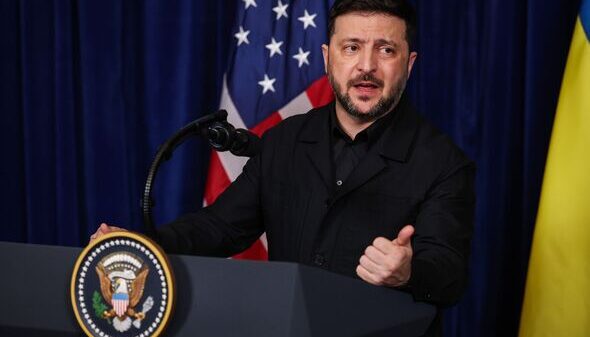
Despite the tension, the meeting is expected to remain cordial. It follows another high-profile meeting with Ukrainian President Volodymyr Zelensky, indicating Trump’s commitment to international dialogue during his holiday vacation.
During the discussions, crucial aspects of the Gaza peace agreement signed in Egypt remain unresolved. The plan includes vital elements such as Hamas’ disarmament and the initiation of reconstruction efforts. Both leaders aim to establish a “Board of Peace,” which would involve international leaders, including Trump, in directing governance in the region. Trump has claimed this board will be “one of the most legendary boards ever.”
The U.S. administration is keen to advance the second phase of the agreement, which includes the establishment of a new international stabilization force in Gaza. However, Israel’s insistence on Hamas disarming before any further withdrawal complicates the situation. Tensions have reportedly emerged within the White House, as some advisers express concern that Netanyahu may be delaying progress.
Regional Security Concerns and Foreign Policy Divergence
The relationship between Trump and Netanyahu has faced challenges beyond Gaza. In September, Israel’s military actions against Hamas leaders in Qatar angered Trump, jeopardizing his peace initiatives. The U.S. had relied on Qatar as a vital intermediary in negotiations. Following the Israeli strikes, Trump demanded an apology from Netanyahu to Qatari officials during a tense Oval Office meeting.
Differences in foreign policy extend to Syria and Lebanon as well. While Trump has engaged with Syrian President Ahmed al-Sharaa, Israel remains focused on maintaining its buffer against potential threats. The U.S. has pushed for diplomatic solutions in Lebanon, but Israeli officials express skepticism regarding Lebanon’s ability to contain Hezbollah without military intervention.
Iran continues to be a focal point of concern for both leaders. Despite recent military actions against Iranian nuclear facilities, Israel remains vigilant regarding Iran’s nuclear enrichment and missile capabilities. Anna Kelly, deputy press secretary, reaffirmed Trump’s commitment to preventing Iran from acquiring a nuclear weapon, highlighting the ongoing relevance of this issue.
Despite their differences, Trump and Netanyahu have maintained a united front in public. Trump has previously downplayed the corruption investigations against Netanyahu, suggesting they serve as distractions from broader security concerns. During a speech to Israel’s Knesset in October, Trump even proposed that Israeli President Isaac Herzog consider granting Netanyahu a pardon, trivializing the charges as mere issues of “cigars and champagne.”
As the two leaders prepare for their meeting, the stakes are high. The outcomes could significantly influence the geopolitical landscape in the Middle East, as both leaders navigate their respective domestic challenges while striving for stability in the region.